25 Pro Sound Equipment Essentials for Crystal-Clear Audio
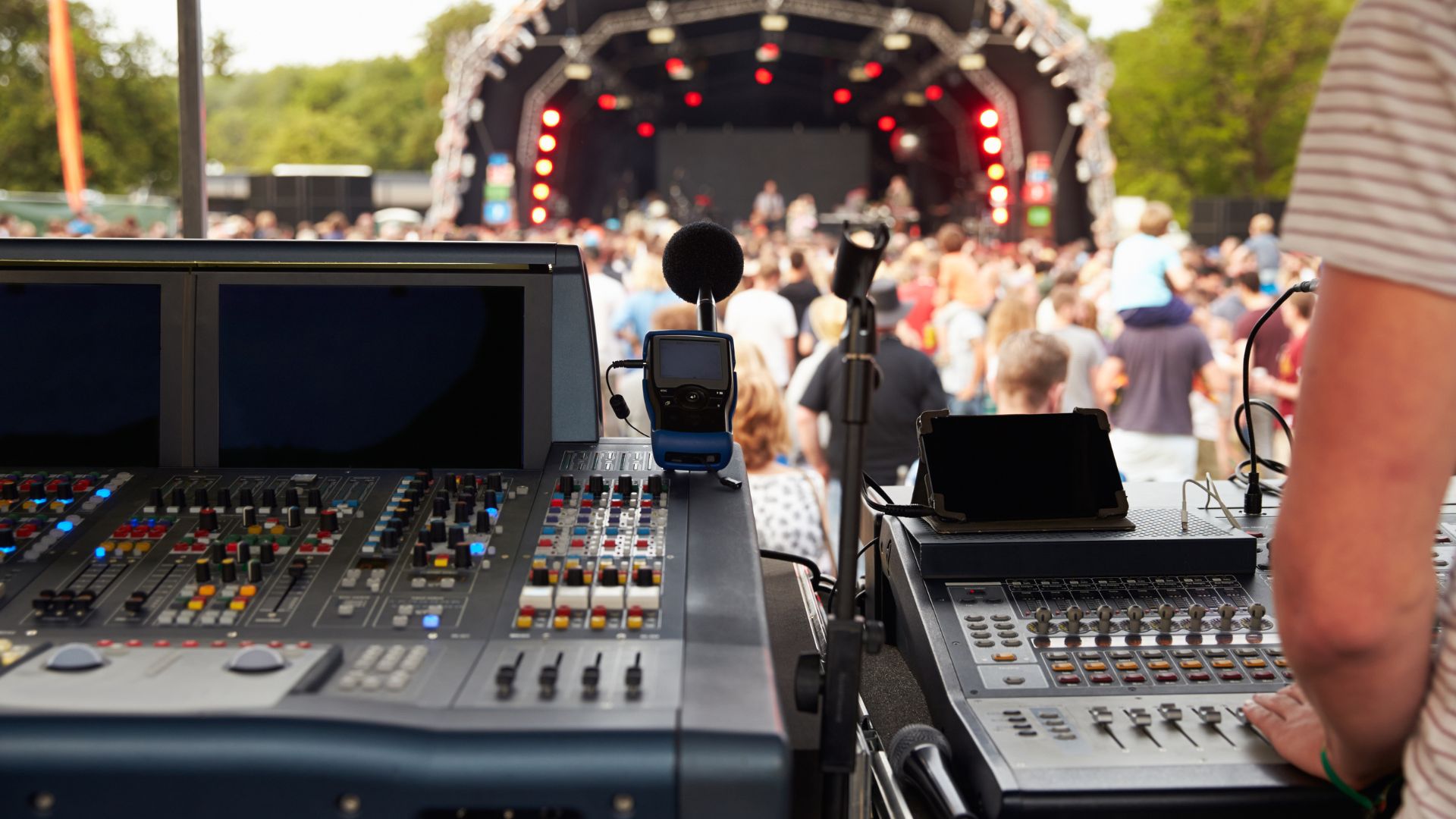
Achieving crystal-clear audio requires the right tools. Whether recording music, podcasts, or live performances, professional sound equipment makes a huge difference. Below are 25 essential pieces of gear that every audio professional should consider.
1. Condenser Microphones
Condenser microphones are renowned for their ability to capture sound with exceptional detail and accuracy, making them a staple in professional studios worldwide. Unlike dynamic microphones, condenser mics are highly sensitive to sound waves, allowing them to pick up even the subtlest nuances in a performance. This sensitivity is achieved through the use of a diaphragm, which vibrates in response to sound pressure and converts these vibrations into an electrical signal. Due to their superior ability to reproduce high frequencies and transient sounds, condenser microphones are ideal for recording studio vocals, voiceovers, acoustic instruments, stringed instruments, and other sources where precision is paramount.
Among the industry favorites, the Neumann U87 stands out as a gold standard for studio recording. Its smooth frequency response, multi-pattern polar modes, and exceptional off-axis rejection make it a versatile choice for multiple audio applications. Whether used for a solo vocal track or an intricate orchestral arrangement, the U87 delivers unmatched clarity and warmth. Another widely loved condenser mic is the Audio-Technica AT2020, which is an accessible yet professional-grade option for home studios and budding audio enthusiasts. It offers a wide dynamic range, low self-noise, and a cardioid polar pattern that isolates sound effectively while minimizing ambient noise.
However, condenser microphones are not without their challenges. Their high sensitivity makes them susceptible to capturing unwanted background noise, meaning they require controlled environments for optimal performance. Additionally, most condenser mics require external power through phantom power, typically supplied by an audio interface or mixer. Despite these requirements, their ability to produce crisp and natural recordings continues to make them an essential tool for capturing detailed and high-quality audio.
2. Dynamic Microphones
Dynamic microphones are celebrated for their durability, versatility, and robust sound quality in both live and studio settings. Unlike condenser microphones, dynamic mics operate using a moving coil and diaphragm mechanism, which makes them incredibly sturdy and less sensitive to background noise and environmental factors. This rugged design allows them to handle high sound pressure levels (SPL) without distortion, making them the go-to choice for loud and impactful sound sources such as live vocals, drum kits, amplified guitars, and horns.
The Shure SM58, for instance, is one of the most iconic dynamic microphones in the sound industry. Known for its unyielding reliability, the SM58 is engineered specifically for live performances. Its built-in spherical windscreen and pop filter effectively minimize plosive sounds and wind noise, ensuring clear and consistent vocal output. The SM58 also features a cardioid polar pattern, which isolates the sound source and reduces feedback, making it a popular choice for stage settings and public speaking events.
Another noteworthy dynamic mic is the Shure SM57, which excels at capturing instrumentals with precision. Its ability to withstand high SPL means it can easily handle loud guitar amplifiers, snare drums, and brass instruments while maintaining sonic clarity. Compared to condenser mics, dynamic microphones are less sensitive to subtle details, but their reliability and rugged nature make them invaluable in challenging environments.
Dynamic microphones also shine in situations where external power isn`t feasible, as they don’t require phantom power to operate. Their reliability, combined with cost-effectiveness, makes them an appealing option for both beginners and professionals. Whether it`s the packed energy of a live concert or the demands of a bustling recording session, dynamic microphones remain a trusted tool in any audio professional`s arsenal.
3. Ribbon Microphones
Ribbon microphones are celebrated for their ability to deliver warm, vintage tones that are unmatched by other types of microphones. Their design utilizes a thin ribbon of metal suspended between two poles of a magnet, which captures sound waves by responding to the air pressure of the sound itself. This unique design provides a smooth, natural sound that is particularly suited for recording guitars, brass instruments, and even vocals in certain contexts. Ribbon microphones excel at capturing the harmonic richness and subtle nuances of sound, making them a favorite for studio recordings where warmth and depth are desired.
However, they are typically more delicate than their dynamic cousins, and care must be taken to avoid exposing them to excessive air pressure or strong blasts of sound, which can damage their sensitive ribbons. When used correctly, ribbon microphones can elevate audio recordings with a timeless, professional quality that adds character to a mix. Models such as the Royer R-121 and the AEA R84 have become industry standards for their exceptional performance, rugged build quality, and ability to handle modern recording demands despite their vintage-inspired design.
4. Audio Interfaces
An audio interface is an essential component of any modern recording setup, serving as the bridge between microphones, instruments, and your computer. High-quality interfaces, such as the widely popular Focusrite Scarlett series, play a critical role by ensuring clean signal conversion from analog to digital, maintaining the integrity of the audio throughout the process. The better the quality of the interface, the more accurate the sound captured by your microphones and instruments will be when recorded on your computer.
Audio interfaces typically include a variety of inputs and outputs to accommodate microphones, guitars, keyboards, and studio monitors, while also offering low-latency monitoring for seamless performance during recording sessions. The Focusrite Scarlett interfaces are known for their user-friendly design, impressive preamps, and compatibility with both Windows and macOS, making them accessible to both beginners and experienced professionals. Whether you choose the compact Scarlett Solo for a streamlined setup or the Scarlett 18i20 for advanced multi-track recording, investing in a reliable audio interface ensures that your recordings maintain professional-quality clarity from start to finish.
5. Studio Headphones
Studio headphones are a vital tool for sound monitoring during recording and mixing, allowing you to hear your audio with precision and clarity. Closed-back headphones, such as the Sony MDR-7506, are a popular choice due to their ability to minimize sound leakage and isolate external noise, ensuring a focused listening experience. The MDR-7506 headphones are renowned for their accurate sound reproduction, balanced frequency response, and long-lasting comfort, making them a staple in recording studios across the globe.
Designed to highlight imperfections in the audio, these headphones enable audio engineers and producers to make critical adjustments confidently. Their lightweight build and foldable design also make them versatile for both studio and portable use. Whether you`re fine-tuning vocals, balancing instruments, or mixing entire tracks, investing in high-quality studio headphones like the Sony MDR-7506 ensures that you are working with a faithful representation of your recorded sound, paving the way for polished, professional results.
6. Studio Monitors
Flat-response studio monitors play a critical role in accurately mixing and mastering audio tracks. Unlike regular speakers, professional studio monitors, such as the Yamaha HS8, are designed to deliver a neutral sound without artificially enhancing frequencies. This flat-frequency response provides an honest representation of your audio, allowing engineers and producers to identify and correct imperfections in their mixes effectively. The Yamaha HS8, renowned for its superior audio clarity and power, features an 8-inch cone woofer and a 1-inch dome tweeter that together produce a wide frequency range, making it suitable for various genres and recording styles. These monitors also boast advanced acoustic technology, such as a high-performance bi-amp system and a specially designed ported enclosure, ensuring minimal distortion and optimal sound projection.
Positioning your studio monitors correctly is equally essential to achieving precise sound reproduction. Placing them at ear level and forming an equilateral triangle between the monitors and the listening position enables a balanced stereo image. Acoustic treatment within your studio space, including bass traps and sound-dampening panels, further enhances the performance of your monitors by reducing unwanted reflections and resonances. For professional audio production, investing in reliable flat-response monitors like the Yamaha HS8 ensures that your mix translates well across various playback systems, from car speakers to headphones.
7. Pop Filters
Pop filters are indispensable tools for recording vocals, as they help eliminate distracting plosive sounds caused by bursts of air hitting the microphone. Words containing "p," "b," or similar consonants can produce sudden spikes in audio levels, known as plosives, which can distort recordings and make mixing more challenging. Pop filters act as a physical barrier, constructed from either a fine mesh screen or perforated metal, that dissipates these bursts of air while allowing sound to pass through clearly. This results in cleaner and more professional vocal recordings.
While pop filters are commonly associated with vocals, their benefits extend to a broader range of applications in any recording scenario where unwanted airflow may impact the microphone. For instance, they can be crucial when recording instruments like flutes or saxophones, which naturally produce airflow as part of their sound production. Pop filters are typically designed to be lightweight and adjustable, easily clamping onto a microphone stand to position them optimally between the performer and the microphone. Using a pop filter not only protects your microphone from the accumulation of moisture due to close vocal work but also significantly reduces the need for post-recording cleanup of plosive distortions, saving valuable time during the editing process.
For individuals or professionals seeking to build or upgrade their recording setup, high-quality gear is essential. Retailers like Sam Ash provide an extensive selection of professional audio equipment, including microphones, mixers, studio monitors, and accessories like pop filters. Their inventory caters to all levels of expertise, from beginner podcasters to seasoned audio engineers. To make purchases more budget-friendly, Sam Ash often offers discounts and special deals. By utilizing Sam Ash Coupon Codes, you can secure these high-performance tools at a reduced cost, helping you optimize your studio setup without straining your budget. Investing in the proper tools ensures a smoother workflow and enhances the quality of your recordings across every project.
8. Shock Mounts
Shock mounts are essential accessories for anyone working in professional or home recording settings. Their primary purpose is to isolate the microphone from mechanical vibrations that can travel through mic stands or other surfaces, which can result in low-frequency rumbles or unwanted handling noise in recordings. This isolation is achieved through the use of elastic suspension systems or other specialized design elements that physically decouple the microphone from its surrounding hardware. By using a shock mount, you ensure that external disturbances such as footsteps, tapping on a desk, or even slight movements of the microphone stand won`t interfere with your audio quality.
Shock mounts are particularly beneficial in environments where vibrations are inevitable, such as live performances, podcasting setups, or highly sensitive studio spaces. They come in various sizes and designs to match specific microphone shapes and weights, and choosing the right one for your mic is critical to ensure optimal performance. A high-quality shock mount helps deliver cleaner, more professional recordings by allowing the mic to focus solely on capturing vocal or instrumental sounds, free of extraneous noise caused by vibrations. This simple yet powerful tool is an investment in the clarity and polish of your creative work.
9. XLR Cables
XLR cables play a pivotal role in any professional audio setup, ensuring that the signal transmitted between microphones, audio interfaces, and other connected gear remains clean and free from unwanted noise. Known for their durability and reliability, XLR cables use a balanced design with three pins—positive, negative, and ground—that work together to minimize interference and eliminate the hums or buzzes often associated with unbalanced cables. This makes them an ideal choice for recording studios, live sound setups, and broadcasting spaces where audio quality is non-negotiable.
The length and build quality of XLR cables are two factors to consider when making a purchase. High-quality cables often feature reinforced connectors and heavy shielding to prevent signal degradation, even over longer distances. Additionally, gold-plated connectors, while more expensive, can enhance conductivity and provide better resistance to corrosion over time. Using premium XLR cables not only ensures a noise-free and stable connection but also reduces the risk of wear and tear in demanding environments. Whether you`re recording a podcast, capturing vocals, or setting up for a live concert, investing in reliable XLR cables is integral to maintaining the integrity of your audio signal.
10. MIDI Controllers
MIDI controllers have become indispensable tools in modern music production, offering unparalleled flexibility and creativity when composing or producing music digitally. Instruments like the Akai MPK Mini are particularly popular due to their compact design and powerful features, making them suitable for both beginners and experienced producers alike. MIDI controllers allow you to input notes, control virtual instruments, and manipulate software parameters in your Digital Audio Workstation (DAW) with precision and ease. For aspiring musicians, this opens up endless possibilities to experiment with sounds and textures, while for professionals, it streamlines workflows and enhances productivity.
The Akai MPK Mini, for example, features a piano-style keyboard, velocity-sensitive pads, and customizable knobs, allowing you to shape music in real-time. These devices often come with software bundles that provide access to virtual instruments, drum machines, and synths, giving you a full-production studio right at your fingertips. Most MIDI controllers are plug-and-play, meaning you can start creating music almost immediately without the need for extensive setup. For producers on the go, the portability of compact controllers makes them an excellent choice for mobile studios or small workspaces.
When choosing a MIDI controller, consider your specific production needs, such as the number of keys, pad sensitivity, and compatibility with your DAW. A good MIDI controller not only expands your creative potential but also simplifies the music-making process, enabling you to bring your ideas to life in vibrant detail. Whether experimenting with melodies, crafting rhythm sections, or layering complex harmonies, a MIDI controller is a vital piece of equipment for musicians in the digital age.
11. Digital Audio Workstations (DAW)
Digital Audio Workstations, commonly referred to as DAWs, are at the heart of modern music production and audio engineering. These powerful software platforms, such as Ableton Live, Pro Tools, Logic Pro, or FL Studio, offer the tools necessary for recording, editing, and mixing audio with precision and creativity. Each DAW comes with a unique set of features tailored to different types of users. For example, Ableton Live is prized for its intuitive interface and real-time performance capabilities, making it a favorite among electronic music producers and live performers. On the other hand, Pro Tools is often the go-to software for professional studios, thanks to its robust editing options and superior sound quality, ideal for handling large-scale recording sessions and film scoring.
What makes DAWs indispensable is their ability to integrate seamlessly with other hardware and software. A typical DAW setup allows users to record tracks via audio interfaces, layer digital instruments, apply effects, and utilize MIDI controllers for hands-on control. They also come equipped with plugins for mixing, which might include equalizers, compressors, and reverbs, as well as virtual instruments like synthesizers and drum kits. While each DAW has its learning curve, the investment in time pays off immensely as these tools empower creators not only to record and mix audio but also to explore innovative ways of sound design and composition.
12. Portable Recorders
Portable recorders such as the Zoom H6 are vital tools for capturing high-quality audio recordings outside the studio environment. Designed to provide exceptional clarity and versatility, these compact devices are particularly useful for field recordings, podcast production, interviews, and live performances. The Zoom H6, for example, is equipped with interchangeable microphone capsules, offering multiple recording configurations tailored to different needs, whether it’s capturing subtle ambient sounds or direct vocals.
One of the standout features of such portable recorders is their multi-track recording functionality, which allows users to record several audio sources simultaneously. This is particularly advantageous for podcasts where multiple participants might be speaking, or for live settings where environmental sounds need to be layered. Additionally, many models, including the Zoom H6, come with built-in effects, USB audio interface capabilities, and long battery life, which ensures reliable operation on the go.
Ease of use is another benefit, as these devices are typically user-friendly and portable, allowing content creators to remain adaptable and efficient. With a reliable portable recorder, professionals can capture nuances and pristine sound detail, bringing depth and authenticity to their projects. Whether it’s for cinematic soundscapes or journalistic endeavors, portable recorders enable creators to elevate their craft regardless of location.
13. Mixing Consoles
Mixing consoles, also known as mixers, are essential for balancing and blending multiple audio sources, making them a centerpiece in live sound reinforcement and studio settings. Among the many options available, the Behringer X32 stands out as a top choice due to its powerful capabilities and intuitive design. This digital mixing console offers advanced features, including 32 channels, 16 mix busses, and high-quality preamps, all of which contribute to achieving a professional sound mix.
A major advantage of digital mixing consoles like the Behringer X32 is their ability to handle complex configurations while remaining user-friendly. These mixers allow audio engineers to connect multiple microphones, instruments, and playback devices, ensuring that all elements of a production are heard clearly and cohesively. Essential functions such as equalization (EQ), dynamic processing, and effects can be adjusted for each channel, enabling precise control over the sound. The X32, in particular, features a full-color LCD display and motorized faders, facilitating quick adjustments and full recall of saved settings—an invaluable asset during live performances or fast-paced production environments.
Mixing consoles are also indispensable for creating professional-quality recordings. By managing audio levels and tones, these tools ensure that each element in a mix complements the others, resulting in clarity and balance. Whether it’s delivering a seamless live performance or producing a polished studio track, investing in a high-quality mixer like the Behringer X32 empowers creators to execute their vision with finesse and accuracy.
14. Power Conditioners
Power conditioners are an essential yet often overlooked component of any professional audio or studio setup. These devices provide a crucial layer of protection for sensitive equipment by regulating and stabilizing electrical currents. Electrical surges, spikes, or inconsistencies in voltage can not only cause damage to equipment but may also lead to disruptions during a live performance or a critical recording session. Power conditioners work by filtering out electrical noise and maintaining a consistent flow of power, ensuring that gear such as mixers, amplifiers, and recording interfaces can operate at their optimal capacity.
Additionally, power conditioners often come with built-in surge protection, safeguarding gear from sudden voltage spikes caused by lightning strikes, power outages, or grid fluctuations. Some advanced models also include features like voltage regulation, which ensures that connected devices receive the correct voltage level at all times. This is especially important in older buildings or venues where the wiring may not be up-to-date. For audio professionals who frequently work on location, power conditioners are invaluable for avoiding the hums, buzzes, and noise interference that can result from inconsistent electrical supplies.
Beyond their protective functions, power conditioners can also help extend the lifespan of costly audio equipment by reducing wear and tear caused by voltage fluctuations. Investing in a reliable power conditioner not only protects your hardware but also provides peace of mind, allowing musicians, engineers, and producers to focus entirely on their craft without worrying about the reliability of their power source.
15. Acoustic Panels
Acoustic panels are a critical element of sound management in any studio, rehearsal space, or performance area. These panels are designed to improve sound quality by controlling reflections, reducing reverb, and eliminating unwanted echoes within a room. Without proper acoustic treatment, even the best audio equipment can fall short of achieving the desired clarity and precision, as poorly treated spaces can introduce muddiness, excessive reverberation, and comb filtering into the audio signal.
Acoustic panels work by absorbing sound waves, particularly in the mid-to-high frequency ranges, and thus help to prevent sound reflections off walls, ceilings, and other hard surfaces. This absorption creates a more balanced and neutral acoustic environment, which is crucial for accurate sound monitoring and playback. For example, in a recording studio, acoustic panels help ensure that what is heard through the monitors closely represents the actual recorded material, free from distortions caused by the room itself.
Modern acoustic panels come in a variety of shapes, sizes, and designs, allowing them to be both functional and aesthetically pleasing. Bass traps, a form of acoustic panel, specifically target low-frequency sound waves that tend to build up in the corners of a room, addressing issues of boomy or overpowering bass. Other panels can be strategically placed along walls, ceilings, and even floors to maximize sound absorption and eliminate flutter echoes.
Acoustic treatment is not just for professional studios—it can also transform small home recording spaces or even enhance sound clarity in office environments used for podcasting and video conferencing. Many panels are easy to install, making them accessible to both professionals and hobbyists. By investing in high-quality acoustic panels, creators can create a controlled and optimized sound environment, ensuring that every note, vocal, or beat resonates with clarity and precision.
16. Microphone Stands
Microphone stands are an essential tool for both recording studios and live performances. They provide stable and adjustable support for microphones, allowing artists and audio engineers to focus on their performance or recording without worrying about the mic shifting or falling. Available in a variety of styles, such as straight stands, boom arm stands, and desktop stands, they cater to different needs and setups. For instance, boom arm stands are ideal for capturing vocals or instruments from unique angles, while desktop stands work well for podcasting or video conferencing. High-quality microphone stands are built with durable materials, ensuring longevity and resistance to wear and tear during frequent use. Many modern stands also offer advanced features like cable management clips, shock mounts, or adjustable heights to accommodate diverse recording environments. Investing in a reliable microphone stand is vital for delivering clear, uninterrupted audio.
17. DI Boxes
Direct Input (DI) boxes serve as an indispensable tool for musicians, particularly those working with electric or acoustic instruments during live performances or studio recordings. These devices allow instruments such as guitars, basses, keyboards, or even electronic drum kits to connect directly to a sound system, ensuring a clean, balanced signal with minimal interference or noise. DI boxes come in two primary types—active and passive—each suited to specific scenarios. Active DI boxes are powered and ideal for instruments with lower output levels, while passive DI boxes are excellent for instruments with stronger signals. Beyond signal balancing, DI boxes often provide ground-lift switches to eliminate hums caused by grounding issues. They ensure pristine sound quality, especially for long cable runs, making them a must-have for professional and amateur musicians alike.
Additionally, those looking to purchase audio equipment, including microphone stands or DI boxes, can save money by exploring discounts and deals through websites like CouponGot, a platform that aggregates promotional codes and offers from a wide range of retailers. Whether you’re setting up a home studio or upgrading your live performance gear, CouponGot can help you find affordable options without compromising on quality.
18. Headphone Amplifiers
Headphone amplifiers are an essential tool in any professional or home studio environment where multiple people need to monitor audio simultaneously. These units enable multiple headphones to be connected and operate at optimal levels, providing clean and powerful signals to each listener. A single headphone amplifier can distribute audio to several outputs, ensuring that everyone—be it musicians, producers, or engineers—can clearly hear the playback or live session as intended.
This is particularly important during recording sessions, as it allows performers to monitor their own performances in real time without straining to hear over backing tracks or live instruments. Modern headphone amplifiers often come with multiple channels, individual volume controls, and even EQ adjustments to cater to the preferences of each listener. They are designed to maintain high audio fidelity, ensuring no compromise in sound quality, even when splitting the signal across multiple headphones. Whether you’re producing music, podcasting, or working on intricate audio mixes, a robust headphone amplifier is a game-changing addition to any studio setup.
19. Patch Bays
Patch bays are indispensable for managing complex studio setups, streamlining cable organization, and improving workflow efficiency. Found in nearly every professional studio, these versatile devices serve as a central hub for audio signal routing. By using a patch bay, engineers can reroute audio signals from microphones, instruments, compressors, equalizers, and other outboard gear without physically unplugging and reconnecting cables every time. This significantly reduces wear and tear on equipment and saves time during recording or mixing sessions.
Patch bays are particularly useful in environments where multiple pieces of gear are used simultaneously, as they allow for a clean and tidy workspace with minimal cable clutter. They can be configured in various ways—normalled, half-normalled, or isolated—depending on specific studio needs. Additionally, patch bays provide flexibility by enabling instant changes to signal flow, which is invaluable when experimenting with different processing chains. Their ability to simplify connectivity while maintaining signal integrity makes patch bays an essential component in both analog and modern hybrid studio setups.
20. Subwoofers
Subwoofers are critical for achieving accurate bass monitoring and enhancing the low-frequency response in any studio. Unlike standard studio monitors that may struggle to reproduce frequencies below a certain threshold, subwoofers are specifically designed to handle the deep bass tones required for precise mixing and mastering. This is particularly important for genres like electronic music, hip hop, and film scoring, where the low-end plays a pivotal role in the overall sound. By adding a subwoofer to your setup, you ensure that your mix translates well across all playback systems, from high-fidelity home speakers to headphones and car audio systems.
Subwoofers also help reveal subtle details in the lower frequency range, enabling producers to detect and address issues like muddiness or overpowering sub-bass elements. Modern subwoofers often come with adjustable crossover settings, volume controls, and phase alignment options, allowing for seamless integration with your existing monitors. When properly calibrated, a subwoofer ensures that your studio delivers a full, balanced frequency spectrum, providing a more immersive and professional mixing experience.
21. Vocal Processors
Vocal processors are essential tools for both live performances and studio recording, especially when it comes to enhancing vocal clarity and creativity. Hardware like the TC-Helicon VoiceLive series has revolutionized the way vocal effects are applied in real time. These devices offer a wide variety of features, including harmonizing, pitch correction, delay, reverb, looping, and even more advanced effects like vocoders or distortion. The TC-Helicon VoiceLive has become particularly popular among performing artists because it combines ease of use with professional-grade processing power. This hardware allows performers to instantly add lush harmonies that can follow the singer’s pitch automatically, creating a fuller and more dynamic vocal experience without requiring backup singers. Additionally, its pitch correction functions can subtly enhance pitch accuracy without sounding robotic, ensuring that every vocal note remains crisp and on-key.
For live performances, the TC-Helicon VoiceLive provides hands-on control, often via foot pedals, making it easy for artists to switch between different effects seamlessly during a performance. Some models also incorporate touchscreens or app integration for customizing presets and managing more intricate settings. Vocal processors are invaluable tools for adding depth and complexity to vocal performances, helping artists elevate their sound and captivate their audiences in any environment, from intimate acoustic sets to full-scale arena shows.
22. Drum Microphones
Capturing the sound of a drum kit requires precision, detail, and the right tools. Dedicated drum microphone kits have been specifically designed to ensure that each element of the drum set—whether it’s the snare, toms, kick drum, or cymbals—is recorded or amplified with clarity and balance. Drum mic kits typically include both dynamic and condenser microphones to address the diverse range of frequencies produced by various drum components. For example, the kick drum, with its low-end punch and depth, often requires a dynamic microphone with a large diaphragm to accurately capture its power. On the other hand, overhead condenser microphones are ideal for picking up the shimmer and sustain of cymbals, as well as the ambient sound of the drum kit as a whole.
Using a dedicated drum mic kit ensures more precise control during mixing or live sound environments. Each microphone can be positioned carefully to capture the drum’s tonal nuance while minimizing bleed from adjacent kit components. High-quality mic kits often include adjustable clips, stands, and wind filters to fit the specific needs of different drum sizes and configurations. Additionally, many professional drum mics are designed with enhanced durability to withstand the wear and tear of high-energy performances. Whether it’s for recording in a studio or performing on stage, a well-balanced drum mic setup ensures that every rhythmic detail comes through crisp and well-defined, keeping the backbone of your music both impactful and professional.
23. Wireless Microphone Systems
Wireless microphone systems are game-changers for live performers, allowing unparalleled freedom of movement on stage while maintaining exceptional sound quality. Systems like the Shure BLX series are known for their reliability, simplicity, and budget-friendly pricing, making them a popular choice for musicians, public speakers, and performers of all kinds. These systems typically include a microphone (handheld or lavalier), a transmitter, and a receiver that connects to your sound system.
One of the key advantages of wireless systems is their ability to eliminate tangled cables, which not only improves stage aesthetics but also reduces the risk of tripping or interfering with other equipment. The Shure BLX series, in particular, features advanced audio transmission technology to ensure minimal interference and dropouts, offering performers a clean and stable signal even in crowded radio frequency environments. These systems are easy to set up, with automatic frequency selection and user-friendly interfaces, making them suitable for both beginners and seasoned professionals.
Many wireless microphone systems are also designed with long battery life to accommodate extended performances without interruptions. Furthermore, they often include features like gain adjustments and EQ settings to tailor the microphone’s output to specific vocal or instrumental needs. Whether used for singing, speaking, or instrumental amplification, wireless microphones provide a seamless and professional-quality experience that allows performers to focus entirely on their craft without being tethered to a fixed location. They’re a must-have for artists looking to elevate their stage presence and overall sound performance.
24. Noise Gates
Noise gates are an essential tool for maintaining clarity in both live and studio audio environments. These devices function by eliminating unwanted background noise, such as ambient humming, static, or other low-level sounds, to ensure only the desired audio signal passes through when the input volume reaches a certain threshold. This is particularly valuable for vocal performances, where subtle background noise can easily bleed into a recording or live mix, disrupting the overall quality. Noise gates can be used with instruments as well, such as electric guitars, where amplifier hiss is a common issue.
Most modern noise gates allow adjustable settings, such as attack, release, hold, and threshold levels, enabling precise control over how and when the gate activates. For instance, the attack control determines how quickly the gate opens, while the release control defines how smoothly it closes once the sound falls below the threshold. This flexibility ensures that the natural dynamics of a performance remain intact without abrupt cuts or unnatural fades. Whether you`re recording intricate vocals in the studio or amplifying sound during a live event, noise gates are invaluable for keeping audio signals clean and professional.
25. Backup Storage
When working with audio projects, having reliable backup storage is non-negotiable. External Solid State Drives (SSDs) and hard drives provide a safe and efficient solution for storing audio files, ensuring they are secure and easily accessible. With the intricate nature of modern audio production, projects often involve multiple tracks, high-resolution file formats, and edits—all of which can take up significant storage space. External storage devices not only expand your computer’s capacity but also act as a safeguard against data loss due to hardware failure or accidental deletion.
SSDs are a particularly favored option among audio professionals, as they offer high-speed data transfer, durability, and silent operation. These features make them ideal for accessing and saving large audio files quickly, even when working on projects with tight deadlines. Meanwhile, traditional hard drives are a cost-effective alternative for long-term backups of completed projects. To maximize efficiency, it’s recommended to use a combination of both, with SSDs for active projects and hard drives for archival purposes.
Regularly creating multiple backups—both physical and cloud-based—further ensures that your work is protected against unforeseen circumstances, such as device theft or damage. Ultimately, investing in the right backup storage solution is critical for maintaining peace of mind and ensuring the longevity of your audio creations.
Conclusion
Achieving professional-quality audio is no longer an unattainable goal for enthusiasts and professionals alike, especially with the right equipment. By investing in these 25 essential tools—from noise gates that refine sound clarity to backup storage solutions that secure your projects—you can elevate both the quality and reliability of your audio work. Whether you’re crafting intricate tracks in a studio setting or delivering an impeccable performance on stage, these tools ensure crystal-clear sound every single time. With the right gear, technical challenges can take a back seat, allowing you to focus entirely on creativity and delivering exceptional results.
Frequently Asked Questions
What is the best microphone for vocals?
For studio vocals, condenser microphones like the Neumann U87 are widely regarded as some of the best options due to their exceptional sensitivity and ability to capture detailed sound with richness and warmth. Dynamic microphones, on the other hand, such as the Shure SM58, are ideal for live performances. They are highly durable, handle high sound pressure levels with ease, and are less sensitive to background noise, making them perfect for capturing vocals in less controlled environments.
Do I need an audio interface for recording?
Yes, an audio interface is essential for recording high-quality audio. It acts as a bridge between your analog gear, such as microphones and instruments, and your computer by converting analog signals into digital audio data. An audio interface ensures cleaner sound, lower latency, and better overall fidelity, which is particularly important for professional recordings.
How important are studio monitors?
Studio monitors are crucial for mixing and mastering music accurately. Unlike consumer speakers, which are designed to enhance the listening experience by exaggerating frequencies, studio monitors provide a flat frequency response. This means they reproduce audio as neutrally as possible, allowing you to detect even the smallest details and make precise adjustments to your mix.
Can I use regular headphones for mixing?
While regular headphones can be used, they are not ideal for mixing because they often color the sound to enhance the listening experience. Studio headphones, by contrast, are specifically designed for audio production, offering a neutral sound profile that allows you to accurately assess and adjust your mix. They are an essential tool for any serious producer.
What’s the difference between XLR and USB microphones?
XLR microphones connect via an audio interface, which provides better sound quality and more flexibility for professional-grade recordings. They are the industry standard in studios and live setups. USB microphones, however, are designed for convenience, connecting directly to a computer without the need for additional equipment. While they are sufficient for casual use, they generally offer lower audio quality compared to XLR mics.
How do acoustic panels improve sound?
Acoustic panels are designed to absorb sound reflections within a room, reducing echo, reverb, and unwanted noise. This improvement in room acoustics leads to clearer recordings, as it prevents sound waves from bouncing around unpredictably. By controlling the acoustics, acoustic panels make your production and mixing environments more reliable.
Are wireless mics reliable for live performances?
Yes, modern wireless microphones such as the Shure BLX series are highly reliable for live performances. They offer stable audio transmission, even in crowded environments with potential interference. High-quality wireless systems are designed to maintain consistent sound quality and freedom of movement, making them a great choice for performers on stage.