23 Things to Know Before Investing in Hair Extensions
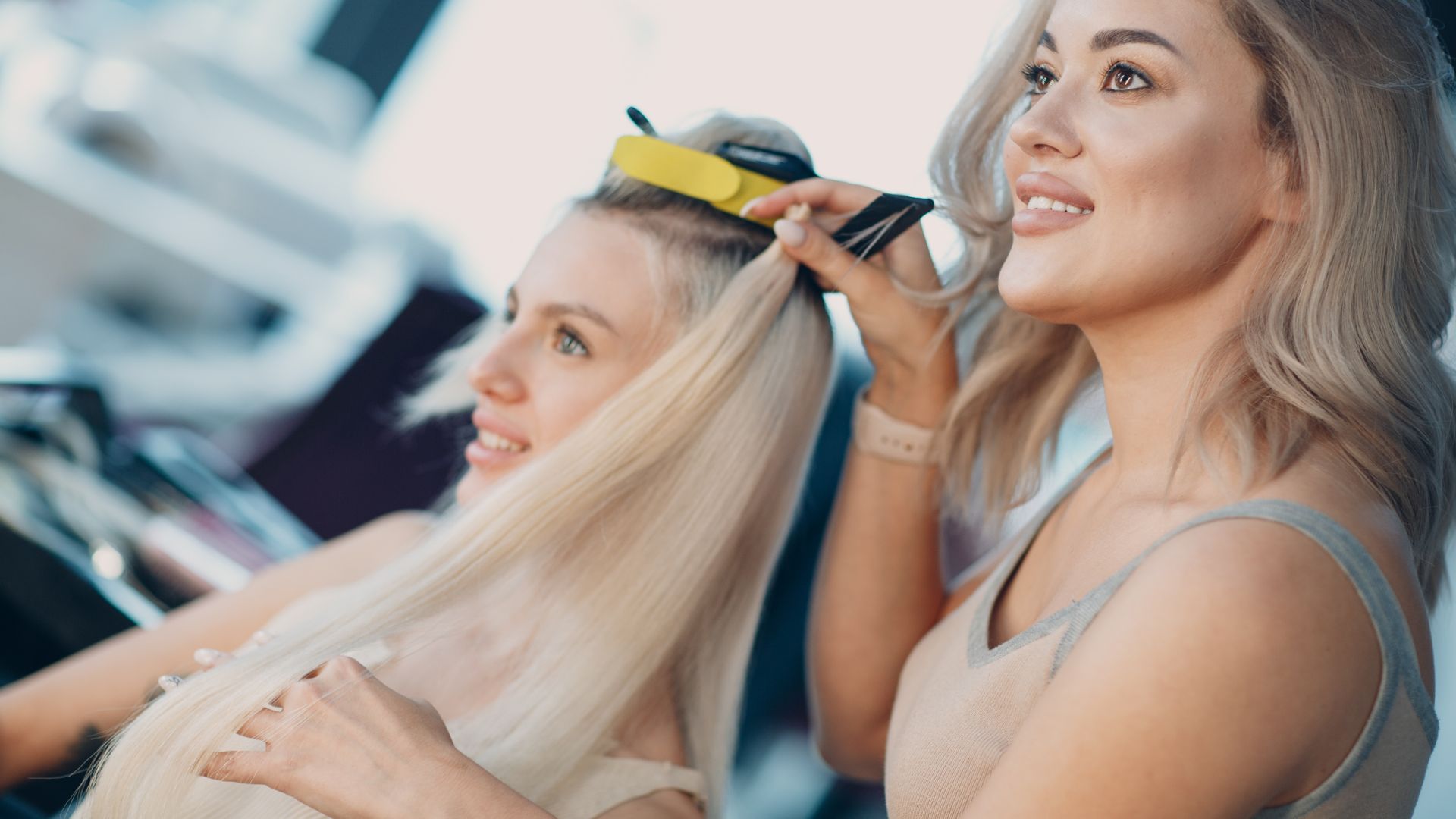
Hair extensions have become an increasingly popular beauty solution that can completely transform hairstyles, providing added length, volume, and dimension. They allow for flexibility in achieving different looks and are widely used for special occasions or simply to enhance everyday appearance. However, before making an investment in hair extensions, it’s essential to understand what they entail, including the types, materials, and factors that may influence your decision. Below is a comprehensive guide to help you make an informed decision about which hair extensions are right for your needs.
1. Types of Hair Extensions
Hair extensions come in various types, each with unique features, application methods, and maintenance requirements. Here’s a detailed breakdown of the most common types:
a. Clip-In Extensions
Clip-in extensions are non-permanent and one of the most popular choices for versatility and convenience. These come in strands or wefts of hair attached to clips that can be easily secured to natural hair within minutes. Ideal for beginners, clip-in extensions require minimal commitment and no professional assistance. They are also reusable, making them a budget-friendly option. However, they need to be removed before sleeping, showering, or intense physical activity.
b. Tape-In Extensions
Tape-in extensions consist of pre-taped wefts that are applied by sandwiching small sections of natural hair between two adhesive strips. These extensions are semi-permanent and lie flat against the scalp, making them appear very natural. They typically last 6-8 weeks with proper maintenance but require professional installation and removal to avoid damaging natural hair.
c. Sew-In Extensions (Weave)
Sew-in extensions, also called weaves, are a popular choice for individuals with thicker or coarser hair. For this method, hair is braided into cornrows, and the extensions are sewn into these braids using a needle and thread. Sew-ins are long-lasting and secure, but they require a high level of expertise for installation and upkeep. This method may not be suitable for those with fine hair, as it can put stress on the scalp.
d. Fusion Extensions
Fusion hair extensions involve bonding small strands of extensions to natural hair using keratin glue or a heat tool. This method offers a very natural look and can last several months. However, it is the most time-intensive and expensive type of extension. Additionally, improper removal can lead to damage and breakage, so professional assistance is required for both application and removal.
e. Micro-Link Extensions
Micro-link extensions, also known as micro bead or I-tip extensions, are applied by threading small beads through natural hair and attaching the extension strands using a clamp tool. These extensions are reusable and do not involve heat or glue, making them a healthier option for the hair. They require regular adjustments every 6-8 weeks as natural hair grows.
Understanding the strengths and limitations of these types of extensions can help you better determine which one suits your lifestyle, hair type, and desired look.
2. Human Hair vs. Synthetic Hair
When it comes to extensions, the choice between human hair and synthetic hair plays a crucial role in the outcome of your hairstyle. Here’s an in-depth comparison:
a. Human Hair Extensions
Human hair extensions are made from 100% natural human hair and are valued for their realistic look and feel. Because they are made from real hair, they blend seamlessly with natural hair and can be cut, styled, and dyed for a customized look. They are versatile and compatible with heat-styling tools, such as curling irons and flat irons, making them the ideal choice for those who like to experiment with different hairstyles.
Additionally, human hair extensions last significantly longer than their synthetic counterparts, often up to a year with proper care. However, this high-quality option tends to be more expensive, and the maintenance required is similar to that of natural hair, including regular washing, conditioning, and detangling.
b. Synthetic Hair Extensions
Synthetic hair extensions are made from synthetic fibers designed to mimic the appearance of real hair. They are a cost-effective and lightweight alternative, making them a popular choice for short-term use or for people on a budget. One of the key advantages of synthetic hair is that it comes pre-styled, maintaining its shape regardless of weather conditions.
However, synthetic hair has notable limitations. It cannot be heat-styled, as exposure to high temperatures can cause it to melt. It is also less durable, typically lasting only a few weeks to a couple of months. Additionally, synthetic hair lacks the natural luster and movement of human hair, making it less convincing in terms of aesthetics.
Making the Right Choice Between Human and Synthetic
Ultimately, the choice between human and synthetic hair depends on your budget and how you plan to use the extensions. If you are looking for long-term usage and a natural appearance, human hair extensions are the way to go. But, if you need an affordable, temporary solution for an event or a short-term style change, synthetic hair extensions can suffice.
Both the type of hair extensions and whether to opt for human or synthetic hair require consideration of various factors such as your budget, lifestyle, and how much maintenance you are willing to undertake. These choices can greatly impact your overall satisfaction with the results of your investment in hair extensions.
3. Hair Texture and Color Match
When selecting hair extensions, achieving a seamless, natural look requires a perfect match in both texture and color. The texture of the extensions—whether straight, wavy, or curly—should mirror your natural hair or the style you typically wear. Mismatched textures can be highly noticeable and may disrupt the overall appearance of your hairstyle. If your natural hair is straight, opting for straight extensions will create a cohesive look, while wavy or curly extensions are ideal for textured hair. However, it isn`t just about texture alone; extensions can sometimes be styled with heat tools such as curling irons or straighteners to match your desired look, though frequent heat use can reduce their lifespan.
Color matching is equally critical. Choosing extensions that align with your natural hair color or the color it is dyed to ensures the finished look appears professional and undetectable. Many brands offer extensions in a variety of shades, including natural tones like black, brunette, and blonde, as well as highlighted or balayage styles for a dimensional effect. For those unable to find an exact match, high-quality extensions made of human hair can often be customized and dyed to suit your color needs exactly. It’s essential to examine the extensions in natural lighting to confirm that the tones align perfectly, as artificial lighting can distort colors. Additionally, utilizing sample swatches or consulting with a stylist can assist in securing the best match, making extensions look like a natural continuation of your own hair.
4. Maintenance Requirements
Hair extensions are a commitment, and their longevity and appearance depend heavily on how well they are maintained. Both human and synthetic extensions require their own tailored care regimen to remain in pristine condition. Extension care begins with proper washing. Use sulfate-free shampoos and conditioners designed for minimally processed or delicate hair; these products are gentle and help preserve the integrity of the extensions. To prevent unnecessary tangling, wash extensions in a downward motion, and avoid scrubbing or piling them on top of your head during cleaning. Depending on how often they’re worn, clip-in extensions may only need to be washed occasionally, while semi-permanent extensions, like tape-ins or sew-ins, will need washing just like your natural hair.
Brushing extensions correctly is just as important as washing them. Use a wide-tooth comb or a specialized extension brush that won’t catch on the bonds or wefts. Always start brushing from the ends and gradually work your way up to the roots to reduce the risk of breakage. For added protection, detangle them before washing and avoid brushing while the hair is wet, as wet hair is more prone to damage. Deep conditioning treatments can also be used, especially for human hair extensions, to keep them silky and moisturized.
Proper storage is an often-overlooked step in extension maintenance. For removable extensions like clip-ins or halos, store them in a safe, dry place away from direct sunlight or moisture. Keeping them in a designated storage bag or box can prevent unnecessary tangling or exposure to dust.
Heat styling tools can greatly enhance how well extensions blend with your natural hair, but heat should be used sparingly, particularly for synthetic extensions, which are less resistant to high temperatures. If you do use tools such as flat irons or curling wands, always apply a heat protectant spray beforehand.
5. How Long Extensions Last
The lifespan of hair extensions is determined by their quality, material, and how diligently they are cared for. High-quality human hair extensions, made from 100% Remy hair, are generally the most durable and can last between 3 to 6 months with consistent, proper care. These extensions are constructed with the cuticle intact, which helps them withstand wear and tear far better than non-Remy alternatives. By minimizing the use of heat tools, ensuring regular maintenance, and using professional-grade hair products, it’s possible to extend their lifespan to the upper end of the range.
Synthetic extensions, while a more affordable option, are less durable and typically last only 4 to 8 weeks. This shorter lifespan is influenced by their composition, as synthetic fibers are more susceptible to tangling, shedding, and damage from heat styling or environmental factors. Additionally, synthetic hair cannot be recolored, which limits its versatility and requires replacing them more frequently if color fades.
The way extensions are applied—whether clip-ins, tape-ins, sew-ins, or other methods—also plays a significant role in their longevity. For semi-permanent extensions, regular visits to a stylist for repositioning or bond maintenance are necessary to keep the extensions secure and in good condition over time. Overall, investing in high-quality extensions and following a diligent care routine can significantly impact how long your extensions will last, making them a worthwhile enhancement to your hair styling options.
6. Where to Buy Quality Extensions
When it comes to purchasing high-quality hair extensions, it’s important to choose a reliable source to ensure you’re getting premium products that will deliver the desired results in terms of appearance and durability. abHair is a well-known provider of premium human hair extensions, offering a diverse selection of styles to suit various hair types and styling preferences. Their collection includes clip-ins, tape-ins, sew-ins, and other popular options, all made from high-quality human hair to ensure a natural look and feel. The extensions are available in a range of colors, lengths, and textures, making it easy to find a match for your hair.
One of the advantages of shopping at abHair is the assurance of quality. Human hair extensions from abHair are made from 100% natural hair, ensuring smoothness, shine, and tangle-free wear. High-quality extensions like these can be styled just like your natural hair—whether that involves curling, straightening, or dyeing—without causing damage. Additionally, abHair offers excellent customer services, such as expert guidance to help you select the perfect product for your needs.
For those looking to save money, it’s worth exploring the various discounts and promotional offers available. Checking out abHair Coupon Codes before making a purchase can help you secure a great deal and make premium extensions more affordable. These codes can often provide significant discounts or free shipping, making it easier to invest in reliable and beautiful extensions without breaking the bank.
7. Professional Installation vs. DIY
The method of applying hair extensions plays a critical role in both their appearance and longevity. Understanding whether to opt for professional installation or to apply extensions yourself depends on factors like the type of extensions chosen, your experience level, and the final look you wish to achieve.
Certain types of extensions, such as clip-ins, are user-friendly and designed for at-home application. Clip-ins come with small clips that securely attach to your natural hair, making them quick and easy to install or remove. Because they don’t require any chemicals or special tools, clip-ins are an excellent choice for people who want temporary extensions that they can reuse and reposition whenever they like. However, to achieve the most natural look, it’s important to section your hair properly and blend the extensions thoroughly.
On the other hand, more complex extension types, such as fusion, tape-ins, or sew-ins, require professional installation. Fusion extensions, for instance, involve attaching individual hair strands to your natural hair using heated keratin bonds. This method demands precision and expertise to avoid damaging your hair or causing uneven placement. Similarly, tape-ins, which use adhesive strips to attach hair wefts, must be carefully placed and aligned by a professional to ensure secure attachment and a seamless blend with your natural hair.
Choosing between professional installation and DIY depends on your comfort level and the time you’re willing to invest. Professional installation may come with a higher upfront cost, but it ensures a more polished and secure finish, especially for long-term wear. Meanwhile, DIY methods like clip-ins are cost-effective and versatile, making them ideal for temporary or occasional use.
8. Cost of Hair Extensions
The price of hair extensions can vary greatly depending on several factors, including the type of hair used, the method of installation, and the overall quality of the extensions. Generally, there are two main categories of hair extensions to consider based on material—synthetic and human hair.
Synthetic extensions are typically the most affordable option, with prices starting at around $20. These extensions are made from artificial fibers and designed to mimic the look of real hair. While synthetic extensions can be a budget-friendly solution, they often lack the durability and versatility of human hair extensions. They cannot be dyed or styled with heat tools and are prone to tangling after extended use. For people seeking a quick and low-cost styling change, synthetic extensions might be sufficient, but they are not ideal for long-term wear.
On the other hand, human hair extensions, especially those made from 100% Remy hair, are much more expensive but offer a significant upgrade in quality. Remy hair is collected from donors in a way that preserves the natural alignment of hair cuticles, ensuring smoothness and reducing tangles. Prices for high-quality human hair extensions typically range from $200 to $1,000 or more, depending on the length, thickness, and brand. Virgin hair, which has never been chemically processed, can be even more expensive, offering unparalleled quality for those willing to invest.
The installation method also affects the overall cost. Clip-ins are generally the most affordable option when combined with human hair, as they require no professional assistance and can last for years with proper care. Semi-permanent options like tape-ins and sew-ins often have higher upfront costs due to the need for salon services and regular maintenance. Fusion extensions represent the higher end of the spectrum, with their application process being labor-intensive and requiring a skilled stylist.
When considering the cost of extensions, it’s important to weigh the initial expense against the longevity and quality of the product. Though human hair extensions may cost more upfront, their natural appearance, styling flexibility, and extended lifespan often make them a worthwhile investment for those seeking a premium hair enhancement solution.
9. How Often to Wash Extensions
Proper care is essential to ensure the longevity and freshness of your extensions. Washing your extensions 1-2 times a week is generally recommended to maintain their cleanliness without risking them becoming overly dry or damaged. Overwashing can strip the extensions of their natural moisture, causing them to look dull and worn over time.
When washing your extensions, it is critical to use a sulfate-free shampoo as traditional shampoos containing sulfates can be too harsh and may damage the hair cuticle or weaken the bonds for certain extension types like fusion or tape-ins. Sulfate-free formulas are gentle and help retain the necessary moisture within the extensions. Pair your shampoo with a nourishing, lightweight conditioner to keep your extensions soft, shiny, and easy to manage. Always focus on the mid-lengths to the ends of the extensions when conditioning, as applying too much product near the roots can cause buildup and weaken the adhesive or attachments.
During the washing process, handle your extensions with care. Avoid vigorous scrubbing or tangling the hair, and instead, gently cleanse the hair by massaging in a downward motion. Rinse thoroughly to ensure no product residue is left behind, as buildup can lead to a dull and heavy appearance. Air-drying your extensions is preferable to preserve their integrity, though a blow dryer on a low-heat setting can occasionally be used if necessary.
10. Heat Styling Safety
Many types of human hair extensions are capable of withstanding heat styling tools, allowing you the flexibility to experiment with different hairstyles like curls, waves, or sleek finishes. However, proper heat styling techniques are crucial to prevent unnecessary damage and prolong the lifespan of your extensions.
Always use a dedicated heat protectant spray or serum before applying heat to the extensions. Heat protectants create a protective barrier that minimizes the drying effects of styling tools and helps reduce breakage. Without this step, direct heat can weaken the strands and shorten the lifespan of both natural and synthetic hair extensions.
For human hair extensions, heat tools like curling irons, flat irons, and blow dryers can be safely used as long as the temperature settings are kept moderate. Try to stay between 250°F to 350°F, as excessively high temperatures can lead to irreversible damage. For synthetic hair extensions, it is important to check if they are heat-resistant. If not, avoid using heat tools entirely, since synthetic fibers can melt or become misshapen when exposed to high temperatures. For heat-friendly synthetic extensions, follow the manufacturer`s recommended maximum temperature limit to prevent issues.
Additionally, limit how often you style your extensions with heat as constant exposure can still lead to dryness and weaken the hair over time, even when precautions are taken. Opt for no-heat styling methods, such as braiding your hair overnight for waves, whenever possible to give your extensions a break from heat tools.
11. Sleeping with Extensions
Sleeping with extensions requires extra care to prevent tangling, breakage, and friction damage. One of the best ways to protect your extensions overnight is to braid your hair or tie it into a loose ponytail before going to bed. This helps keep the hair secure and reduces the likelihood of knots and tangles forming while you sleep. Avoid tight hairstyles, as they can put unnecessary tension on your natural hair and the extension bonds.
Using a silk or satin pillowcase is another excellent way to protect your extensions. Unlike cotton pillowcases, which can create friction and contribute to dryness and tangling, silk and satin materials allow your hair to glide smoothly, keeping it tangle-free and reducing breakage. Additionally, these materials help retain moisture, preventing both your natural hair and extensions from becoming overly dry.
For further protection, you can wear a silk or satin scarf or hair bonnet at night. This provides an additional layer of security and minimizes exposure to environmental elements that might lead to wear and tear over time. Incorporating these simple nighttime habits into your routine will ensure that your extensions remain manageable, soft, and beautiful for as long as possible.
12. Finding the Best Deals on Extensions
Investing in quality hair extensions doesn’t have to break the bank. With a bit of research and planning, you can find incredible deals that fit your budget without compromising on quality. Online platforms, such as CouponGot, offer promo codes and discounts tailored specifically for hair extension retailers. These promo codes can be applied during checkout, providing significant savings on everything from clip-ins to tape-ins and wefts. Browsing e-commerce websites like Amazon or specialty hair shops during seasonal sales events, such as Black Friday or Cyber Monday, can also yield substantial discounts. Many retailers provide incentives, including free shipping or free accessories like a storage bag or comb, when you reach a specific spending threshold.
To take advantage of these offers, consider subscribing to newsletters from your favorite brands. Many companies reward subscribers with exclusive discounts, early access to sales, and even welcome discounts for first-time buyers. Social media platforms are another valuable resource for finding deals. By following hair extension companies on Instagram, Facebook, or Twitter, you can stay updated on flash sales, giveaways, or limited-time offers. For those who shop regularly, loyalty programs are worth exploring. Brands often reward repeat customers with points for every purchase, which can be redeemed for discounts on future orders.
Another effective approach is to join online communities, forums, and groups that focus on beauty and hair care. Members often share insider tips on where to find the best bargains. Additionally, some retailers may sell “open-box” or clearance extensions at reduced prices. Although these products are typically non-returnable, they offer high-quality units at a fraction of the cost. By combining these strategies, you can maximize your savings while still obtaining stunning extensions that enhance your overall style.
13. Avoiding Damage to Natural Hair
Caring for your natural hair is essential when wearing extensions, as improper techniques or poor maintenance can lead to significant damage, including breakage and hair thinning. One of the key factors in avoiding damage is prioritizing professional installation. Whether you’re opting for sew-in wefts, tape-ins, or more permanent options like keratin bonds, it’s crucial to choose a highly skilled and experienced stylist to handle the process. A trusted stylist ensures the extensions are installed correctly, with even distribution and without putting excessive strain on your scalp or roots.
Poor installation practices, such as applying extensions too tightly, can lead to a condition called traction alopecia, a form of hair loss caused by prolonged tension on the scalp. This is why it’s vital to communicate with your stylist during the process. If you experience discomfort or tightness after installation, don’t hesitate to request adjustments. A reputable stylist will prioritize the health of your natural hair and ensure the installation is secure yet comfortable.
Regular maintenance is another critical aspect of protecting your hair while wearing extensions. Keep your scalp clean and moisturized by using gentle, sulfate-free shampoos and lightweight conditioners that won’t weigh down your hair. It’s equally important to avoid heavy products that can build up at the roots or weaken the bond of the extensions. Incorporate moisturizing or strengthening treatments as needed, and always detangle your hair gently to prevent unnecessary stress on both your extensions and your natural strands.
Additionally, remember to give your natural hair a break between extension installations. Prolonged use of extensions without resting periods can weaken the roots, reducing your hair’s natural thickness over time. Once the extensions are removed, take the time to hydrate and nourish your hair before considering a new set. For those who frequently change styles, opting for less damaging options like clip-in extensions can provide versatility without compromising hair health.
By following these guidelines, you can enjoy the versatility and length that extensions offer while maintaining the integrity and health of your natural hair. Investing in proper care from the start will not only provide you with stunning results but also preserve your hair’s natural beauty in the long term.
14. How Often to Reapply Extensions
Keeping hair extensions in their best condition requires understanding their maintenance cycles and reapplication schedules. Each type of extension has its own lifespan, largely influenced by the wearer`s lifestyle, the quality of the extensions, and how well they are cared for.
Tape-in extensions typically last between 4 to 8 weeks before they need to be reapplied. These extensions are attached using adhesive tape that gradually weakens over time, especially with frequent washing or exposure to hair products. To maintain a seamless and natural look, individuals are advised to visit their stylist when the extensions begin shifting or if there’s noticeable growth at the root. Regular reapplication ensures not only a polished appearance but also prevents potential damage to natural hair caused by loose or poorly adhered extensions.
Sew-in extensions, on the other hand, often last slightly longer, ranging from 6 to 8 weeks before requiring tightening or adjustments. These extensions are sewn directly into braided sections of natural hair, making them durable and secure. However, as natural hair grows, the braided base can loosen, affecting the stability and look of the extensions. Visiting a professional for routine tightening ensures the longevity of the style and prevents discomfort or strain on the scalp caused by shifting extensions.
Lastly, clip-in extensions offer the most flexibility when it comes to application and reapplication. Unlike tape-ins or sew-ins, clip-ins are designed to be removed daily, eliminating concerns about adhesive breakdown or natural hair growth interfering with their placement. While they don’t require professional maintenance, it’s essential for users to handle clip-ins with care when attaching and removing them to avoid damaging both the extensions and the natural hair. Regular cleaning and storage in a safe, dry place will further extend their usability and keep them looking fresh.
Understanding the reapplication needs of your chosen extensions and staying consistent with maintenance prevents unnecessary wear and tear, ensuring a flawless look every time.
15. Swimming with Extensions
Swimming with hair extensions can present unique challenges, as both chlorine in pools and saltwater in the ocean can cause damage if the proper precautions aren’t taken. These substances can dry out extensions, weaken bonds or adhesives, and lead to tangling or matting. However, with the right care and preparation, you can enjoy swimming while keeping your extensions in good condition.
To start, using a swim cap is one of the most effective ways to protect your hair extensions. Swim caps act as a barrier, preventing water from directly interacting with your hair. For those who prefer not to use a cap, tying your hair up in a secure bun or braid can help minimize exposure to water and reduce tangling. Opting for protective hairstyles like braids or twists can also prevent mats from forming in the extensions while in the water.
Before swimming, consider applying a leave-in conditioner or lightweight oil to your extensions. These products create a protective layer, reducing the absorption of harsh chemicals or salt into the hair. After swimming, it’s crucial to gently rinse your extensions with fresh water to remove any lingering chlorine or salt and follow up with a sulfate-free shampoo and conditioner. This routine effectively cleanses and rehydrates both the natural hair and extensions. Avoid rubbing or vigorously scrubbing the hair, as this can lead to tangles or shedding. Instead, gently detangle the extensions with a wide-tooth comb, starting from the bottom and working your way up while the hair is still damp.
It’s also important to schedule regular deep conditioning treatments to replenish lost moisture and keep extensions in optimal health if you swim frequently. If you’re unsure about maintaining the health of your extensions while swimming, consult your stylist for recommendations on specific products or maintenance routines designed for your type of extensions.
By taking these proactive steps, you can confidently enjoy your time in the water without compromising the beauty or longevity of your extensions.
16. Styling Options
Hair extensions provide incredible versatility, allowing wearers to explore a variety of hairstyles that may not be possible with natural hair alone. Whether you prefer sleek ponytails, intricate braids, or elegant updos, extensions can be styled to suit virtually every occasion, from casual outings to formal events.
Ponytails can be worn high for a bold and youthful look or low for a chic and sophisticated appearance. When creating updos, it’s essential to ensure the extensions are securely attached to avoid tension on the natural hair and achieve a seamless finish.
Clips, hair ties, and bobby pins can help anchor your style while blending the extensions with your natural hair. For braided styles, whether you want a classic three-strand braid or something more complex like a fishtail or crown braid, extensions can add volume and length for a stunning result.
Using heat tools on extensions for curls or waves is another option, but always check if the extensions are heat-resistant and apply heat protectants to avoid damage. Styling options with extensions are nearly limitless, but maintaining proper care and avoiding excessive stress on the bonds will ensure your hairstyles always look polished and your extensions remain in top condition.
17. Traveling with Extensions
Traveling with hair extensions can be effortless when you plan ahead and have the right tools on hand. It is helpful to pack travel-sized extension-friendly products, such as sulfate-free shampoos, conditioners, and leave-in treatments, all of which are gentle on both the extensions and your natural hair. A travel-sized brush specifically designed for extensions is essential for detangling without causing damage; opt for one with soft bristles or a looped design to protect the bonds.
While traveling, the changing climates and water conditions can impact extensions, so consider packing a protective serum or lightweight hair oil to counteract dryness caused by air travel or different water types. For longer trips, protective hairstyles like braids or buns can reduce tangling and friction, keeping your extensions looking fresh and manageable.
Additionally, when flying, use a satin pillowcase or scarf to minimize frizz and tangling during overnight transits. Always store clip-in extensions in a dedicated pouch or case when not in use to maintain their shape and prevent damage. With the right preparation and care, your hair extensions can stay immaculate even while you`re on the go, ensuring you look your best no matter where your travels take you.
18. Signs of Low-Quality Extensions
Recognizing the signs of low-quality hair extensions is crucial to avoid potential damage to your natural hair and ensure your extensions deliver the desired look and feel. One common indicator of inferior extensions is excessive shedding. While minimal shedding is normal, extensions that lose large amounts of hair over time are poorly constructed and will not last. Unnatural shine is another red flag; low-quality synthetic extensions are often overly glossy, making them appear fake and difficult to blend with natural hair.
Unlike premium human hair extensions, which have a natural, subdued luster, synthetic options often stand out in unflattering ways in sunlight or under bright lights. Another telltale sign is a rough, coarse, or overly processed texture. High-quality extensions should feel soft and emulate the texture of healthy human hair. Rough extensions are not only uncomfortable to wear but are also more likely to tangle and mat, leading to a frustrating and high-maintenance experience.
Additionally, low-quality extensions may have inconsistencies in color or uneven thickness, making them difficult to style and blend naturally with your hair. To avoid these issues, focus on sourcing extensions from reputable brands or salons that use 100% human Remy hair, as these are generally the gold standard for durability, natural appearance, and overall quality. By investing in high-quality extensions, you can enjoy confidence and ease of styling while protecting the health and integrity of your natural hair.
19. How to Store Extensions
Proper storage of hair extensions is essential to maintaining their quality, longevity, and appearance. When not in use, clip-ins and tape-in extensions should always be stored in a silk or satin bag or in a specific hair extension box.
These materials help minimize friction, which can cause tangling, frizz, or even damage to the extensions. Before storing your extensions, ensure they are completely clean and dry to prevent the growth of bacteria or mold. Gently brush the extensions to remove any tangles, starting from the tips and working up to the wefts.
For added protection, you can separate the extensions into smaller sections and secure them with soft, fabric hair ties or bands to keep them neatly aligned. Position the extensions in a flat or slightly curled arrangement, depending on their natural style, and avoid overcrowding the storage space to preserve their shape.
Additionally, store the bag or box in a cool, dry place away from direct sunlight, as heat and UV exposure can degrade their color and texture over time. Investing in good storage habits ensures that your extensions will always be ready to use and maintain a fresh and natural look.
20. Removing Extensions Safely
Whether you are removing clip-in or semi-permanent extensions like tape-ins, it is vital to take extra care during the removal process to prevent unnecessary damage to your natural hair. For clip-in extensions, start by gently unclipping them section by section without tugging or pulling at your strands. Comb through your hair after each removal to ensure no tangling has occurred. For tape-in extensions or more permanent methods, it’s best to rely on proper tools and techniques. If tape-ins are used, you will need a professional-grade tape remover, usually in the form of a liquid or spray, to dissolve the adhesive gently.
Apply it directly to the tape and allow it to sit for a few moments to loosen the bond. Slowly peel the tape apart, using additional remover if necessary to avoid force or tension. It is highly recommended to visit a professional stylist, especially if adhesive removal feels challenging, as they are equipped to perform the process efficiently while preserving the health of your hair and scalp. Skipping these steps or rushing the removal process can lead to breakage, thinning, or even bald spots, so always handle your extensions with patience and care.
21. Allergy Considerations
When wearing hair extensions, especially those that involve adhesives or synthetic fibers, it is crucial to consider the possibility of allergic reactions. Certain adhesives used for tape-ins or glue-based extensions may contain chemicals that cause irritation or allergic responses, such as redness, itching, or swelling on the scalp.
Likewise, synthetic extensions, which are commonly made from fibers like acrylic or polyester, may not always be skin-friendly for individuals with sensitive skin. To minimize the risk, start by researching the components of the products you plan to use and select hypoallergenic or dermatologist-approved options whenever possible. Conducting a patch test is essential if you`re prone to skin sensitivities or allergies.
To do this, apply a small amount of adhesive or place a sample piece of the synthetic extension on your skin and observe the reaction over 24-48 hours. If you notice any signs of irritation, avoid using the product entirely and consult with a professional stylist or dermatologist for alternatives. Choosing high-quality, 100% human hair extensions and skin-friendly adhesive products can help you achieve a seamless and problem-free experience. Always prioritize your health and comfort when making decisions about extensions.
22. Customizing Extensions
Customizing hair extensions is a crucial step in achieving a natural, flawless look that seamlessly blends with your own hair. While purchasing pre-made extensions may seem convenient, many people find that a bit of tailored customization dramatically improves the final appearance. One of the most popular ways to customize extensions is by cutting and layering them to match the natural flow and length of your hair. A professional stylist can assess your natural hair texture, thickness, and style to create a look that complements your unique features.
When cutting extensions, it’s essential to follow the same techniques used for natural hair. Layering can create more dimension and movement, while blending the ends into your natural hair ensures there’s no visible distinction. For example, if your natural hair tends to thin towards the ends, lightly thinning out the ends of the extensions can mimic this characteristic for a more cohesive finish. Length adjustments can also be made to frame your face or suit your personal preferences, whether it’s a sleek long look or a shoulder-length style.
Apart from cutting and layering, another customization option includes adding texture or color. Extensions can be curled, straightened, or dyed to match the unique qualities of your own hair. However, keep in mind that synthetic extensions are less versatile and may not withstand heat or coloring treatments as well as 100% human hair extensions. If you choose to color extensions, test small sections first to ensure the dye achieves your desired tone and blends accurately.
Customizing extensions isn’t just about the aesthetics—it`s also about functionality. For example, clip-in extensions may need positioning adjustments or clips replaced for better security and comfort. Meanwhile, tape-in or sewn-in extensions may require placement balancing to evenly distribute weight and minimize strain on your natural hair. By investing time and effort into customization, you can create a personalized style that enhances your confidence and reflects your individuality.
23. When to Replace Extensions
Hair extensions, just like natural hair, have a lifespan and need to be replaced once they show significant signs of wear and tear. Even with the best care routine, extensions can eventually become dry, tangled, or lose their natural luster, affecting their appearance and functionality. Knowing when to replace extensions is key to maintaining both your hair’s health and an impeccable look.
One of the first signs that it’s time to replace your extensions is persistent tangling. Older extensions often lose their smooth, silky coating over time, making them more prone to knots and breakage. If your extensions take significantly longer to detangle or remain frizzy after attempting to smooth them, it may indicate that they’ve reached the end of their life. Additionally, excessive shedding is another red flag, as this can shorten the overall length and volume of the extensions, making them appear thinner and less natural.
Another key indicator is dryness or brittleness in the strands. If you notice that your extensions feel coarse and no longer respond well to conditioning treatments, it may be time to retire them. Constant exposure to heat styling tools and chemicals from products or coloring can accelerate this process, especially if you’re not using heat protectants or deep-conditioning treatments regularly. Keep in mind that synthetic extensions are more sensitive to these factors and often have a much shorter lifespan compared to their human hair counterparts.
The appearance of tapes, bonds, or clips also plays a significant role in deciding when to replace extensions. If these components are damaged, weak, or visibly worn out, they may not secure the extensions properly, leading to discomfort or the risk of them falling out. It’s vital to maintain a solid bond or attachment to ensure the extensions stay in place and extend the duration of their usability.
Finally, consider the overall look of the extensions in relation to your natural hair. If the extensions have faded or no longer match your current hair color or texture, they may detract from your overall style. While re-dying extensions is an option for human hair types, it can further weaken their structure if done repeatedly or improperly. Replacing them allows you to start fresh and enjoy vibrant, beautiful hair.
Replacing extensions at the right time ensures that you continue to enjoy the benefits and beauty they offer without compromising the health of your natural hair. Keeping an eye on wear signs and following care routines can extend their longevity, but when it’s time for a new set, see it as an opportunity to refresh your style and confidence.
Final Thoughts
Hair extensions can be a fantastic way to enhance your beauty and elevate your hairstyle. Whether you`re looking for added volume, length, or a dramatic change, extensions offer countless possibilities. However, the key to achieving the best results lies in making informed choices and maintaining a diligent care routine. From selecting high-quality extensions that match your hair type to customizing their look and knowing when to replace them, every step contributes to a seamless and rewarding experience.
By conducting thorough research, consulting with professionals, and investing in products that prioritize both style and health, you can enjoy all the benefits hair extensions have to offer. Remember, extensions are not a one-size-fits-all solution, and personalizing them to suit your unique needs is essential for achieving natural-looking, beautiful results. Treat them with care and make thoughtful decisions, and your hair extensions will undoubtedly enhance your style while boosting your confidence.
Frequently Asked Questions (FAQs)
Can I dye my hair extensions?
Yes, you can dye hair extensions, but only if they are made from 100% human hair. Synthetic extensions, on the other hand, cannot be dyed as they do not hold color like natural hair. Even with human hair extensions, it is highly recommended to have the dyeing process done by a professional hairstylist. This ensures even coverage, prevents damage to the extensions, and avoids undesirable results. Always conduct a strand test first to see how the hair takes the color.
How do I prevent extensions from tangling?
To keep your extensions tangle-free, it’s essential to handle them with care. Use a soft-bristle brush or a wide-tooth comb and gently detangle the hair starting from the ends, working up to the roots. Avoid excessive heat styling as it can make the hair dry and prone to knots. Applying a quality leave-in conditioner can help maintain moisture and reduce tangling. Additionally, avoid sleeping on wet hair—always ensure your extensions are completely dry before bed.
Can I work out with extensions?
Absolutely, you can work out with hair extensions, but proper precautions are needed. Tie your hair up in a secure ponytail or braid to minimize movement and reduce the risk of tangles. After exercising, it’s important to wash out sweat, as the buildup can weaken the bonds or adhesive used to secure the extensions. Use a mild, sulfate-free shampoo to cleanse and keep your extensions in top condition.
Do extensions damage natural hair?
When applied and maintained properly, extensions should not damage your natural hair. Problems typically arise from poor-quality installations or improper care. Avoid excessively tight installations as they can put stress on your scalp and natural hair. Always follow aftercare instructions provided by your stylist and allow your hair to breathe between installation cycles to maintain its health.
How do I choose the right length?
Picking the right length depends on your natural hair and the look you want to achieve. For a natural and seamless appearance, select extensions that closely match the length of your own hair or are slightly longer. If you`re seeking a bold, dramatic change, opt for extensions that add significant length, but be mindful that extremely long extensions require more maintenance. Consulting with your stylist can help identify the most suitable length for your hair type and style preference.