23 Things to Know Before Buying a Phone Case or Mousepad
Buying a phone case or mousepad might seem simple, but there are many factors to consider. From material and design to durability and price, making the right choice can enhance your device’s protection and your workspace comfort. Below are 23 key things to keep in mind before purchasing.
1. Material Matters
When it comes to selecting the material for your phone case or mousepad, the options can significantly impact durability, functionality, and aesthetics, depending on your specific needs. Phone cases are typically available in a range of materials, each offering unique benefits. Silicone cases are valued for their flexibility and shock absorption, making them ideal for individuals prone to occasional drops. TPU (thermoplastic polyurethane) cases blend the durability of plastic and the elasticity of silicone, providing a solid balance between sturdiness and flexibility. For those seeking ultra-rugged protection, polycarbonate cases deliver a firm, impact-resistant barrier but might sacrifice some flexibility and sleekness. Leather cases, while less common for heavy-duty protection, are favored for their sophisticated appearance and comfortable grip, which lends a touch of luxury to your device. When selecting a phone case material, consider how much wear and tear your phone endures and whether a more protective or fashionable material better suits your lifestyle.
On the other hand, mousepads also come in a variety of materials, each catering to different user preferences and computer activities. Cloth mousepads are among the most widely used for their smooth texture, providing excellent precision and comfort, especially for gamers or professionals who need fine control over their cursor. Rubber-backed cloth mousepads prevent sliding during use, ensuring a steady hand. Hard plastic mousepads, while less pliable, offer a sleek, firm surface that facilitates faster mouse movements—a preference for users focused on speed and efficiency. Additional options like aluminum or glass are available in premium ranges for those seeking a high-end, stylish look, but they may come at a higher cost and demand careful maintenance. Your choice of mousepad material should align with your workspace needs, the type of tasks you perform (e.g., gaming, work, or general use), and the desired level of comfort and durability.
2. Protection Level
A phone case’s primary role is to safeguard your device against everyday mishaps like drops, bumps, and scratches. Consequently, the level of protection a case offers is a crucial factor to evaluate. If you’re someone who frequently drops your phone or uses it in locations prone to accidents, such as construction sites or outdoors, prioritize cases specifically designed for high impact resistance. Look for shock-absorbent cases that utilize multiple layers of material, such as a soft inner cushion to absorb impact and a harder exterior to deflect scratches and cracks. Features like raised edges, also known as bezels, around the camera lens and screen can prevent direct contact with surfaces, thereby reducing the chance of scratches. For additional peace of mind, consider cases with military-grade drop protection certifications, indicating they’ve been rigorously tested to withstand drops from a specified height.
The level of protection should also extend to considering the phone’s physical features like ports, buttons, and wireless charging compatibility. Some protective cases include port covers that shield inputs from dust and moisture, making them ideal for outdoor or travel use. However, keep in mind that heavy-duty cases are often bulkier and may add significant weight to your device, which could be a drawback for those who prefer lighter and more compact cases. Striking a balance between protection and usability is key.
When it comes to mousepads, the concept of protection might not seem as critical, but ensuring durability and a stable surface is essential for comfort and longevity. A high-quality mousepad should resist wear-and-tear from continuous use, particularly in areas where high levels of friction occur. Additionally, a rubber or textured base enhances stability, preventing the pad from slipping during fast or repetitive mouse movements. If you use a laser or optical mouse, choose a mousepad with a surface optimized for precise tracking to avoid skips or jittery cursor behavior. With these considerations in mind, both your phone case and mousepad can provide enhanced protection and functionality tailored to your unique needs.
3. Grip and Texture
Choosing the right grip and texture for both phone cases and mousepads is essential for usability and overall comfort. A slippery phone case can pose a significant risk, as it increases the likelihood of accidental drops, which can lead to scratches, cracks, or other damage to your device. To combat this, many manufacturers design cases with textured surfaces, flexible rubberized materials, or specially engineered coatings that enhance grip. These materials make it easier to handle your phone securely, even with sweaty or wet hands, ensuring peace of mind during daily use. Additionally, some cases feature ergonomic designs tailored to fit naturally in your hand, reducing strain and making extended use more comfortable.
Similarly, the surface texture of a mousepad plays a crucial role in facilitating smooth and accurate mouse movements. For gamers, graphic designers, or anyone who relies on precision in their work, a mousepad with the right texture can be a game-changer. High-quality mousepads are often designed with micro-textures or finely tuned woven fabrics that allow for seamless tracking, whether you`re using a laser or optical mouse. The balance between friction and smoothness is critical here; too much friction can restrict movement, while an overly slick surface may result in a lack of control. For optimal performance, look for mousepads with a surface engineered for precision, ensuring that your cursor moves exactly as intended without skips, jitters, or delays.
4. Design and Customization
Functionality aside, the design and customization of your phone case and mousepad can provide a unique personal touch to your accessories. With countless designs, colors, and patterns available, selecting a case or pad that reflects your style has never been easier. Companies like Skinit allow customers to fully personalize these accessories, offering custom options where you can even upload your own images or artwork. Whether you want a design that matches your favorite aesthetic, displays your favorite sports team, or features a cherished photo, personalized products allow you to express your individuality.
Custom mousepads and phone cases also make fantastic gifts, particularly when adorned with meaningful imagery or messages for the recipient. Beyond customization, however, design details like material durability, vibrant printing techniques, and fade-resistant finishes are important considerations to ensure your chosen pieces remain visually appealing over time. If cost is a concern, there are ways to save; for example, using Skinit Coupon Codes or other promotional discounts can help you invest in personalized items at a more affordable price while still achieving a high-quality, polished look.
5. Wireless Charging Compatibility
One important aspect that often goes overlooked is the impact of phone case design on wireless charging functionality. Although wireless charging has become increasingly popular due to its convenience, not all phone cases are compatible with this feature. Thicker cases, while providing extra protection, may interfere with charging by blocking or reducing the efficiency of the wireless charging signal. Similarly, cases made with metal components or certain magnets might disrupt the process by creating barriers that impede the electromagnetic field required for the transfer of power.
To ensure compatibility, opt for phone cases specifically labeled as wireless charger friendly. These cases are typically designed with thinner materials or special sections that do not obstruct the charging process. If protection is still a priority, consider hybrid cases that strike a balance between being slim enough for wireless charging while offering reinforced corners or shock-absorbing layers for durability. Additionally, if you notice slower charging or interruptions while using a wireless charger, test by removing the case to confirm compatibility issues. By choosing a case that supports wireless charging, you can enjoy the convenience of this modern technology without sacrificing protection or style.
6. Size and Fit
When selecting a phone case, ensuring the right size and fit is crucial for providing proper protection and maintaining the functionality of your device. A poorly fitted case can leave critical areas of your phone, such as edges, corners, or buttons, exposed to potential damage. To avoid this, always verify that the case is specifically designed for your phone’s make and model. Pay close attention to details like button alignment, camera cutouts, and access to charging ports.
A snug fit ensures that the case stays securely in place during daily use, preventing it from sliding or shifting, which could lead to accidental damage. Furthermore, a well-fitted case enhances the phone`s ergonomics, offering a comfortable grip and preventing slips. Checking reviews or compatibility notes provided by the manufacturer can also help confirm whether the case will fit your device perfectly. Investing the time to ensure the right fit not only protects your phone but also preserves its sleek appearance.
7. Mousepad Thickness
The thickness of a mousepad may seem like a minor detail, but it can significantly impact your overall comfort and usability, especially during extended hours of computer use. Thicker mousepads, typically ranging from 3 to 5mm, provide enhanced cushioning and support for your wrist, making them ideal for individuals who spend long hours gaming or working. The added thickness helps absorb pressure, preventing wrist fatigue and offering a softer feel on harder surfaces like wood or metal desks. Additionally, thicker mousepads often feature more durable construction, capable of withstanding heavy use over time without developing signs of wear.
On the other hand, thinner mousepads, usually around 1 to 2mm, offer the advantage of portability and are easier to pack in a bag or carry around. Their slimmer profile adds minimal height to the desk, which some users prefer for precision and responsiveness, especially during fast-paced activities like gaming. However, thinner mousepads may provide less cushioning, which could be a consideration for those working on harder desk surfaces. Ultimately, the choice between thick and thin mousepads comes down to personal preference, intended usage, and the balance between comfort and portability. Carefully evaluating your needs will ensure you select the mousepad thickness that best complements your setup and use habits.
8. Non-Slip Base
A reliable, non-slip base is an essential feature for any mousepad, particularly for those who need consistency and precision in their work or gaming sessions. A mousepad that slips or moves during use can disrupt workflow, reduce accuracy, or become a source of frustration. This is where choosing a model with a rubberized or anti-slip base comes into play. These bases are typically crafted from high-quality rubber or silicone materials that create a strong grip on your desk surface, preventing any unnecessary movement.
The non-slip design ensures that the mousepad remains securely in place, even during intense gaming sessions or rapid mouse movements. For users working on smooth or glossy desks, this feature becomes even more significant, as such surfaces tend to allow lightweight objects to slide around easily.
Additionally, a well-designed anti-slip base also improves safety by preventing the top surface from buckling or curling at the edges over time. This added stability ultimately contributes to a seamless and focused user experience, making it a must-have feature across all types of mousepads, from gaming to office use.
9. Water Resistance
When it comes to durability and longevity, water resistance is a key characteristic to consider for a mousepad. Similar to waterproof or water-resistant phone cases, mousepads with water-repellent surfaces are more resilient, particularly when used in environments where spills or splashes are a common risk. Whether you`re prone to accidentally knocking over a beverage at your workstation or working in humid conditions, water-resistant mousepads protect against moisture damage, preventing issues such as warping, staining, or deteriorating material quality. This feature is especially advantageous for gamers or professionals who spend long hours at their stations, as an accidental spill doesn`t necessitate replacing their gear.
Most water-resistant mousepads are coated with special hydrophobic materials that allow liquid to bead up and roll off, making cleanup quick and easy. This design also ensures that oils, sweat, and dust are less likely to soak into the fabric, keeping the surface smooth, clean, and hygienic over time. Furthermore, water resistance adds to the product`s versatility for outdoor or mobile use, making it a practical choice for scenarios like on-the-go working conditions or gaming setups at events. Investing in a mousepad with water-repellent properties combines convenience with peace of mind, ensuring long-term performance and a pristine look.
10. Price vs. Quality
While it is often tempting to equate a higher price with superior quality, this is not always the case, especially when it comes to selecting essential accessories like a mousepad. Some premium products may justify their cost with advanced features, innovative designs, or exceptional materials, but it is important to carefully assess whether these aspects truly meet your individual needs and offer tangible value for the extra money spent. For instance, an expensive mousepad might boast additional features such as RGB lighting, extended surface areas, or unique textures designed for professional-grade gaming, but these enhancements may not necessarily impact performance for the average user.
On the other hand, a more affordable option might still provide the durability, smooth surface, and water resistance required for most use cases at a fraction of the cost. It is also worth noting that some high-end products carry inflated prices driven more by branding and presentation than by functional merit. Therefore, it is critical to carefully compare specific features such as build quality, material, texture, and added functionality before deciding whether spending extra is truly justified.
Ultimately, the best approach is to prioritize the features most relevant to your usage scenario. For instance, if you are a professional gamer or designer, investing in a high-quality surface that ensures precision and stability may be worth the price, but casual users might find a mid-range option equally effective. Balancing price and the specific needs you aim to satisfy ensures that your purchase aligns with your budget without compromising essential functionality.
11. Brand Reputation
Brand reputation plays an influential role in determining the overall quality, reliability, and long-term performance of a mousepad. Trusted brands with established credibility in the market often deliver products that meet higher standards of design and durability because such companies are invested in maintaining their reputation among consumers. These brands frequently perform rigorous testing to ensure their products meet specific industry benchmarks for performance. Additionally, they often offer robust warranties or customer support programs, which can provide users with peace of mind in case of manufacturing defects or unforeseen issues.
However, sticking solely to well-known brands does not guarantee universal satisfaction. Even among top-tier manufacturers, products vary in quality and suitability for different needs. It is advisable to research customer reviews, expert comparisons, and detailed product specifications to identify whether a specific model aligns with your expectations.
That said, newer or lesser-known brands can sometimes offer equally compelling options at more competitive price points. These brands often attempt to stand out by providing unique features or emphasizing value-for-money propositions. Despite this, caution is warranted when exploring unfamiliar brands, as their long-term durability and customer service standards might not yet be as established as their well-known counterparts.
To make an informed decision, look for feedback from trusted sources such as technology review websites, professional recommendations, or verified customer testimonials. Additionally, a good practice is to check for warranty offerings or return policies, as these can act as a safety net when purchasing relatively unfamiliar products. By doing thorough research, you can confidently choose a product that not only reflects the reliability of its brand but also meets your personal requirements.
12. Discounts and Offers
When shopping for phone cases and mousepads, taking advantage of discounts and offers can significantly help you save money while ensuring you get a quality product. Many online retailers frequently host sales events, particularly during seasonal promotions, holiday sales, and shopping events such as Black Friday, Cyber Monday, or year-end clearance sales. These occasions provide an excellent opportunity to explore a vast range of products at significantly reduced prices. Some stores even offer bundle deals, where purchasing multiple items together, such as matching phone cases and mousepads, could potentially cut costs further.
For those looking to maximize savings, websites like CouponGot can be invaluable. Platforms like this aggregate the latest promo codes and exclusive deals from a variety of online stores, streamlining the search for discounts. From percentage-based discounts to free shipping codes, these platforms cater to a range of savings preferences. Additionally, signing up for newsletters from your favorite retailers is another great way to stay informed about upcoming sales and loyalty offers. Many websites also reward first-time buyers with exclusive discounts upon signing up, while others provide rewards to returning customers in the form of cashback or loyalty points. To make the most of these deals, be sure to verify coupon expiration dates and read any terms and conditions associated with the offers, as some may include minimum purchase requirements or restrictions on product categories.
Shopping during flash sales or with limited-time coupons can sometimes add a sense of urgency, so it’s best to make a checklist of your desired features in a phone case or mousepad before finalizing your choice. By employing these strategies to find the best bargains, you ensure you’re purchasing items that meet your needs without exceeding your budget.
13. Eco-Friendly Options
Choosing eco-friendly phone cases and mousepads is an excellent way to make purchasing decisions that align with sustainability values. With increasing awareness around environmental conservation, more manufacturers are designing products using recycled, biodegradable, or sustainably sourced materials. Eco-friendly phone cases, for instance, may be crafted from materials such as recycled plastics, bamboo fibers, or compostable plant-based polymers. These options not only reduce waste but also offer a stylish, functional alternative to conventional plastic cases, which can take hundreds of years to decompose.
Similarly, environmentally conscious mousepads are no exception. Many brands now offer mousepads made from sustainable resources, such as recycled rubber, cork, or organic cotton. Some options use natural dyes and non-toxic adhesives to ensure they have minimal impact on the environment during production. Furthermore, certain brands go a step further and engage in initiatives like tree planting or donating a portion of their profits to environmental organizations, making your purchase even more impactful.
When considering eco-friendly products, it’s important to evaluate certifications or labels that verify a product`s sustainability claims. Look for markers such as FSC certification (indicating responsibly sourced wood), Global Organic Textile Standard (GOTS), or Cradle to Cradle Certification, which ensure the product meets strict environmental and social criteria. Additionally, opting for durable and long-lasting materials can further align your choices with eco-minded practices by reducing the frequency of replacements, which in turn decreases waste and conserves resources.
By prioritizing these eco-friendly options, you’re not only minimizing your environmental footprint but also supporting companies committed to sustainable innovation. A small change in your purchasing habits can contribute to broader efforts to protect the planet, making it a choice that benefits both you and the environment.
14. Heat Dissipation
A phone case should prioritize effective heat dissipation to ensure your device remains at an optimal temperature even during prolonged use. Modern smartphones generate significant heat due to intensive computing tasks, such as gaming, video streaming, or multitasking. When trapped, this heat can impact the performance, battery life, and longevity of your device.
To address this, phone case manufacturers are integrating advanced materials and designs that facilitate proper airflow and allow heat to escape efficiently. For instance, some cases now incorporate perforations, honeycomb patterns, or specialized thermally conductive materials to promote better ventilation and help regulate heat distribution. Materials like thermoplastics or silicone, although durable, may trap heat if not specifically engineered for dissipation.
Choosing a case with built-in heat management functionality not only prevents overheating but also ensures your device is less likely to experience throttling or damage due to excessive internal temperatures. Therefore, when selecting a phone case, look for features explicitly designed with thermal regulation in mind to preserve your device`s performance and durability over time.
15. Raised Bezels
Cases with raised bezels offer an essential layer of protection by safeguarding your smartphone`s screen and camera from scratches, cracks, and other potential damage when placed on flat surfaces. Raised bezels act as a physical barrier that elevates the phone’s most vulnerable areas — primarily the screen and camera lens — above the surface they rest on. This elevation prevents direct contact with abrasive materials, dust, or rough surfaces, which can otherwise cause unsightly wear and tear or compromise the device`s functionality.
High-quality cases often feature reinforced and precisely contoured bezels designed to match the curvature of your phone, ensuring comprehensive protection without obstructing usability. Some advanced designs also incorporate micro-lip technology around the camera lens and screen for enhanced shock absorption during accidental drops. Whether you`re placing your phone on your desk, nightstand, or in your pocket alongside keys and other hard objects, raised bezels provide peace of mind by creating a buffer zone that keeps your device safe. When choosing a case, opting for one with adequately raised edges is a small but impactful decision that enhances both the safety and durability of your smartphone.
16. Mousepad Surface Type
The surface type of a mousepad plays a crucial role in determining performance, comfort, and precision, especially for activities like gaming or professional tasks that require extensive mouse usage. Two primary surface types dominate the market – smooth and textured – each catering to specific needs and preferences.
Smooth surfaces, often referred to as speed surfaces, provide minimal resistance when moving the mouse. This type is ideal for gamers who rely on quick, fluid motions to keep up with fast-paced action or for professionals working on tasks that demand rapid navigation, such as graphic design or large-scale data handling. The smooth finish of these mousepads allows for effortless gliding, reducing strain during long usage sessions and ensuring consistent tracking for optical and laser mice. However, because of their minimal friction, these surfaces may not be the best option for activities requiring finer control or ultra-precise movements as they can feel overly sensitive.
Textured surfaces, on the other hand, are designed to offer added control. These mousepads give a small amount of resistance, making them well-suited for tasks or gaming that demand precision, such as first-person shooting games or intricate design work. The texture provides tactile feedback, ensuring accurate placement of the cursor, especially when making slower, deliberate movements. This type of surface is also favored by individuals who prefer a more controlled experience over speed. Additionally, textured mousepads tend to be more durable, as the raised material can withstand prolonged use without significant wear.
Ultimately, the choice between a smooth and textured mousepad comes down to personal preference and intended use. Individuals who value speed and swift movements might choose a smooth mousepad, while those prioritizing control and precision could opt for a textured one. Some enthusiasts even own both types, switching between them based on the current task or game. When selecting a mousepad, considering one’s specific requirements for work or play can significantly enhance overall performance and comfort.
17. Port Accessibility
When choosing a phone case, ensuring effortless accessibility to ports, buttons, and speakers is just as important as considering its protective capabilities. A well-designed case should allow users to interact with their device seamlessly without impeding functionality, as poor accessibility can lead to significant inconvenience over time.
Charging port access is particularly critical. A high-quality phone case should have a perfectly aligned cutout for the charging port, accommodating not only the default charging cable that comes with the device but also third-party and bulkier charging connectors. Cases with inadequately sized openings may force users to remove the case entirely when charging, undermining the purpose of protection and causing frustration. A precise design ensures users can keep their device shielded while plugging in cables without hassle.
Similarly, button accessibility is a key consideration. A durable yet flexible case should feature well-designed button coverings or cutouts that do not interfere with responsiveness. Raised button covers made from soft or tactile materials allow users to press buttons effortlessly, maintaining the original usability and feel of the device. Conversely, poorly designed cases can make buttons feel stiff or unresponsive, affecting everyday tasks such as adjusting volume, locking the screen, or taking screenshots.
Finally, speaker and microphone access is vital to preserving the audio quality of the device. A well-crafted case accommodates the speaker grill and microphone openings without obstructing sound output or input. Poorly designed cutouts can muffle audio during calls, distort music playback, or interfere with voice recordings, compromising the overall user experience.
When selecting a phone case, it’s essential to ensure all openings and coverings align perfectly with the specific device model. Some premium cases are also tested for compatibility with additional accessories, such as wireless chargers or phone stands, and offer innovative features like dustproof or waterproof port covers. By prioritizing port accessibility, users can protect their phones without sacrificing functionality or convenience.
18. Cleaning and Maintenance
The cleanliness and upkeep of a phone case are often overlooked but are critical to maintaining its longevity and appearance. Different materials attract varying levels of dust, dirt, and stains, which can not only diminish the aesthetic appeal of the case but also compromise its protective capabilities over time. For instance, silicone and rubber cases are prone to collecting dust and lint, while lighter-colored cases may show stains or discoloration more readily. Leather cases, though luxurious and stylish, require regular conditioning to prevent cracking or fading, especially when exposed to moisture or direct sunlight. Hard plastic cases may resist stains better but can accumulate scratches, which require specific polishing solutions for maintenance.
When selecting a phone case, it’s advisable to prioritize materials that are easy to clean and maintain, such as TPU (thermoplastic polyurethane) or wipeable polycarbonate. These materials can be cleaned with just a soft cloth, mild soap, and water, making upkeep straightforward for the user. It is also worth investigating whether the manufacturer provides cleaning instructions tailored to the specific material of the case. Cases with textured patterns or intricate designs may demand more effort to clean as debris can lodge within grooves or perforations. Additionally, antibacterial cases, which are designed to resist microbial growth, can reduce the frequency of cleaning, making them a practical option for individuals concerned about hygiene.
Regular cleaning not only enhances the appearance of the case but also prevents dirt or debris from transferring onto the device itself, which could lead to scratches or other damage over time. Prolonged exposure to harsh cleaning agents like bleach or alcohol should be avoided unless specifically recommended, as they might degrade the material or weaken any protective coatings on the case. For optimal long-term performance, it’s essential to strike a balance between regular cleaning and gentle handling to preserve the case`s structural integrity.
19. Warranty and Return Policy
A warranty or return policy is an essential consideration when purchasing a phone case, as it acts as a safeguard for the customer against manufacturing defects or dissatisfaction with the product. Reliable manufacturers often back their phone cases with warranties that assurances regarding material durability, performance, and defect coverage within a specific timeframe. For example, some premium brands offer lifetime warranties, which signal strong customer confidence and commitment to product quality. On the other hand, entry-level or budget cases might only come with a limited guarantee, so it is always wise to read the terms and conditions thoroughly before making a purchase.
When examining the warranty policy, it is crucial to ensure that it covers potential defects such as loose-fit designs, misaligned cutouts, cracking, or failing protective features over typical usage durations. Some warranties even extend to complementary services like free replacements, repairs, or shipment reimbursement for defective cases. However, be cautious—most warranties are void if the damage occurs from user mishandling, exposure to extreme environmental conditions, or improper cleaning techniques.
Return policies are equally important, as they allow consumers to test the functionality, fit, and comfort of the case before committing fully. A flexible policy with no-hassle returns not only encourages customer trust but also provides peace of mind after purchasing. Look for brands that offer return windows between 15 to 30 days, providing ample time to evaluate the case in real-world conditions. Make note of whether the manufacturer requires valid proof of purchase or original packaging for returns to be accepted. Additionally, some companies may offer exchanges instead of refunds, so understanding the nuances beforehand is essential.
Investing in a phone case with a robust warranty and a consumer-friendly return policy is a practical step to ensure quality and satisfaction. It reflects the brand’s confidence in its product and ensures that the buyer is protected, making the purchasing process more secure and reliable.
20. Bulkiness
When selecting a phone case, one key consideration is its bulkiness. Slim cases are often favored for their sleek, minimalist design, offering a lightweight and stylish aesthetic that aligns well with modern preferences. They fit seamlessly into pockets, purses, or bags without adding significant weight or dimension, which is particularly appealing for those who value portability and ease of use. However, while slim cases excel in their streamlined appearance, they may come with certain compromises in terms of protection. These cases typically provide basic safeguarding against scratches and minor bumps, but they may lack the robust shock absorption or reinforced structure needed to withstand major drops or impacts.
On the other hand, bulkier cases, often designed with extra padding, robust materials, or features like raised edges and reinforced corners, offer superior protection. They are ideal for individuals in active professions, outdoor enthusiasts, or those prone to accidental phone mishaps. While they may make the phone feel heavier or more cumbersome, many bulky cases are designed with ergonomics in mind, featuring grips or textures that make them comfortable to hold despite their size. Choosing between a slim or bulky case ultimately comes down to individual priorities—whether the focus is on style and convenience or on ensuring maximum durability and protection.
21. Mousepad Size
The size of a mousepad plays a crucial role in influencing the user’s experience, especially when considering its intended purpose. Larger mousepads are particularly popular among gamers and creative professionals who require extensive room for mouse movement. Gamers engaging in fast-paced, high-precision games benefit greatly from the expansive surface area of a large mousepad, which allows for smooth and uninterrupted gliding during rapid movements or sweeping gestures. These larger pads often come with added functionalities, such as enhanced grip, optimized surfaces for precision tracking, or even space to accommodate both the keyboard and the mouse, creating an integrated and seamless gaming setup.
Conversely, compact mousepads are perfectly suited for office environments or casual use, where desk space might be at a premium. They are easy to position on smaller desks and offer just enough space to perform routine tasks such as navigating through documents, editing spreadsheets, or browsing the web. What compact mousepads lack in surface area, they often make up for in portability and practicality, making them a convenient choice for those who frequently work in shared workspaces or travel for business. The decision between a larger or smaller mousepad should be guided by factors like available desk space, the nature of the tasks being performed, and personal preferences for comfort and efficiency.
22. Color and Style
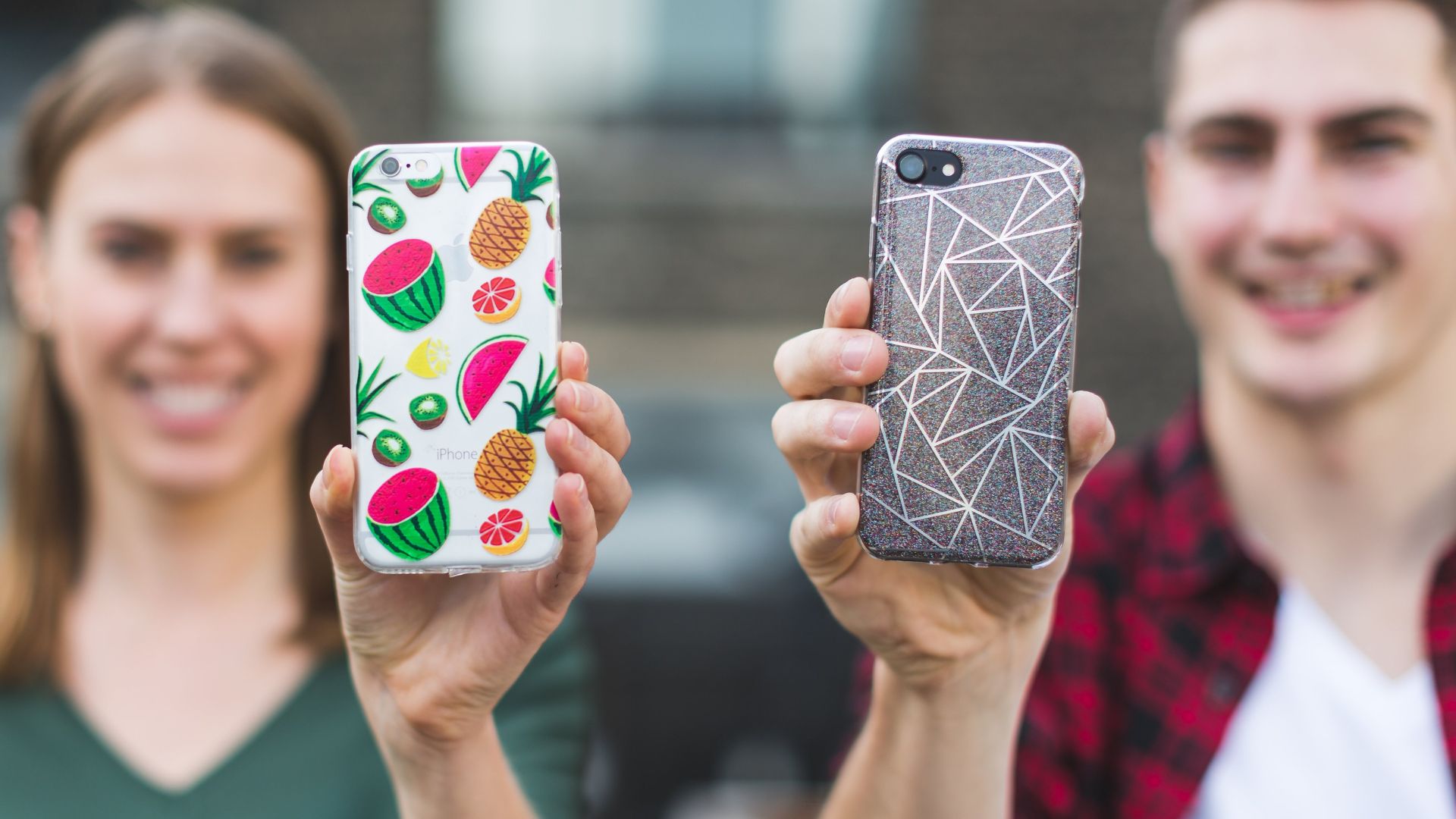
When selecting a mousepad or phone case, the design and style become critical aspects of personal expression while ensuring it remains functional. The color and style of these items can often reflect your individuality, making them an extension of your personality. Some prefer sleek, minimalist designs in neutral tones, such as black, gray, or white, which offer a professional and timeless feel perfect for corporate environments. Others are drawn to vibrant colors, bold patterns, or quirky illustrations, catering to those who enjoy showcasing their creativity or making a statement with their accessories. For fans of pop culture, there are countless themed designs ranging from movies to TV series, video games, and even art pieces, providing an infinite variety of options that add a touch of fun to everyday tasks.
Beyond aesthetics, consider the practical implications of your choice. For example, lighter colors may show dirt or scratches over time, whereas darker hues are generally more durable in appearance. Matte finishes reduce glare and fingerprints, maintaining a clean look, while glossy finishes can emphasize vivid colors but may require frequent wiping to keep them pristine. Additionally, if you`re choosing a mousepad, you might opt for one that incorporates an ergonomic wrist rest while still maintaining the appealing design fit for your workspace. Meanwhile, phone cases can pair aesthetics with functionality by including designs that offer additional features like storage pockets or integrated stands.
Ultimately, selecting a color and style goes beyond mere visual appeal. While it`s tempting to go for a design that catches your eye, it’s essential to balance style with usability. Functionality should take precedence—opt for designs that do not hinder the device`s performance, such as a mousepad with a suitable texture for smooth mouse movements or a phone case that adequately protects your device without adding unnecessary bulk. By thoughtfully choosing while considering both your style preferences and functional needs, you ensure that the item is not just visually pleasing but also practical in daily use.
23. Customer Reviews
Customer reviews are an indispensable tool when purchasing any product, including mousepads and phone cases. They provide real-world insights that often go beyond the glossy promises of manufacturer descriptions or promotional materials. Reviews from other users highlight the actual performance, durability, and compatibility of a product, giving you a more comprehensive understanding of what to expect once you`ve made your purchase.
Pay close attention to both the overall rating and detailed feedback left by customers. A high rating might generally suggest that the product is of good quality, but individual reviews often reveal specific details that can inform your decision. For instance, a mousepad might receive praise for its smooth surface and ergonomic design, but some customers may mention that the edges begin to fray after prolonged use—a critical consideration for long-term durability. Similarly, a visually appealing phone case could receive glowing comments for its appearance but might fall short in customer accounts of its drop protection or port accessibility.
Take the time to read a range of reviews, including both positive and negative ones. Positive reviews highlight the best features and trustpoints of the product, while negative reviews often point out significant flaws or particular use cases where the item may fail to meet expectations. For example, a phone case could seem perfect based on the majority of ratings, but a negative review might indicate that it doesn`t fit certain phone models as snugly as it should, or that the buttons are difficult to press through the case material.
Another tip when examining reviews is to look for common patterns or repeated issues. Individual complaints might sometimes reflect personal problems or preferences, but if multiple reviewers mention the same shortcoming—such as inconsistent quality, fading colors, or design flaws—it’s a red flag worth considering. Verified purchase reviews typically lend greater credibility, as they ensure that the reviewer has used the product firsthand.
Finally, don’t overlook photos or videos included in customer reviews when available. Visual evidence can sometimes reveal details that words alone cannot convey, such as the actual color of the product in natural lighting, how well it fits, or how it handles wear and tear over time. Whether browsing online marketplaces or manufacturer websites, customer reviews are a valuable resource to leverage for making informed decisions about your investment.
Conclusion
By keeping these 23 factors in mind, you can confidently select the best phone case or mousepad tailored to your needs. From understanding the materials that define durability to prioritizing functionality alongside your preferred aesthetics, paying attention to these details will ensure a product that aligns with your lifestyle. Additionally, relying on customer reviews solidifies your choice, enabling you to benefit from the experiences of others before finalizing your purchase. Thoughtful consideration of these practical and aesthetic factors will ultimately lead to a product that not only enhances your daily comfort and productivity but also reflects your unique style.
Frequently Asked Questions (FAQs)
What is the best material for a phone case?
When choosing a phone case, the material is a crucial factor that impacts both protection and usability. Thermoplastic polyurethane (TPU) and polycarbonate are among the most popular materials due to their excellent balance of durability, protection, and slim design. TPU is a flexible material that provides shock absorption, making it ideal for minimizing damage from drops. Polycarbonate, on the other hand, is a rigid material that helps prevent scratches and cracks. Many high-quality phone cases combine these two materials to enhance durability without adding unnecessary bulk. While other materials like silicone or leather offer aesthetic and tactile benefits, TPU and polycarbonate are preferred for their superior protective qualities.
Can I wash my mousepad?
Maintenance of a mousepad depends largely on its material. Cloth mousepads, which are common for gaming and office use, can typically be hand-washed with mild soap and warm water. Gently scrub the surface to remove dirt and debris, then rinse thoroughly. Avoid using harsh cleaning agents or vigorous scrubbing to prevent damaging the fabric. After washing, allow the mousepad to air dry completely before using it again. Rubber or plastic mousepads, however, require less effort—simply wipe them clean with a damp cloth or a gentle cleaner. Regular cleaning helps maintain the mousepad`s functionality by ensuring a smooth, responsive surface.
Do phone cases affect signal strength?
The impact of a phone case on signal strength largely depends on the materials used. Most modern phone cases are designed with signal-friendly materials, like TPU and polycarbonate, which do not interfere with connectivity. However, cases made entirely out of metal or those with metallic elements can sometimes weaken signal reception. This is because metal can block or disrupt the electromagnetic waves used for communication between your phone and cell towers. If you notice a significant drop in signal strength with a specific case, it’s advisable to switch to one made from non-metallic materials.
How often should I replace my mousepad?
The frequency of replacing your mousepad depends on its condition and usage. Over time, the surface of a mousepad can wear out, causing uneven texture or diminished responsiveness, which can negatively impact your mouse precision during tasks or gaming. Additionally, if the material becomes frayed, stained, or sticky despite regular cleaning, it might be time for a replacement. On average, heavy users, such as gamers or graphic designers, may need to replace their mousepad every 6-12 months, while casual users can use them for a few years.
Are expensive phone cases worth it?
While expensive phone cases often boast higher-quality materials and enhanced features, they may not always be worth the investment. The primary consideration should be the case’s protective qualities, including drop resistance, shock absorption, and screen protection. Many affordable phone cases offer solid protection without the premium price tag. However, if you value additional features like antimicrobial coatings, built-in kickstands, or premium materials like leather, a higher-priced option might be justifiable. Ultimately, evaluate whether the features align with your priorities before deciding based on price alone.