23 Hidden Toxins to Avoid When Buying Natural Makeup
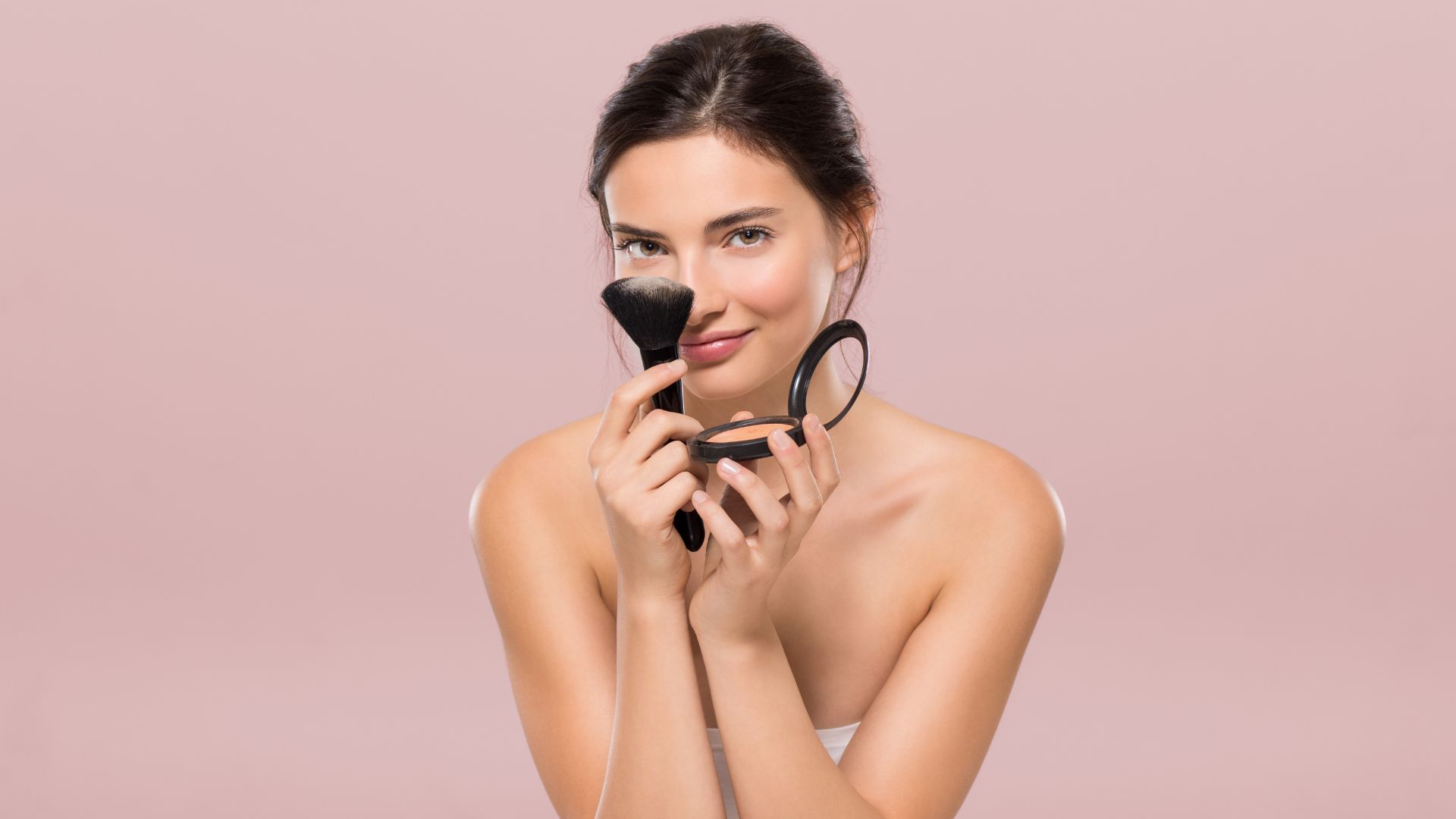
Switching to natural makeup is a great step toward healthier skin, but not all "natural" products are truly toxin-free. Many brands sneak harmful chemicals into their formulas, which can cause irritation, allergies, or long-term health issues. Below is a list of 23 hidden toxins to watch out for when shopping for natural makeup.
1. Parabens
Parabens are synthetic preservatives commonly used in a vast range of beauty products, including natural makeup. Their primary function is to prevent the growth of bacteria, mold, and yeast in cosmetics, thus extending the shelf life of these products. While this may seem beneficial at first glance, the dark side of parabens lies in their potential impact on your health. Scientific studies have shown that parabens can mimic estrogen, a hormone naturally found in the human body. This estrogenic activity can potentially disrupt the endocrine system, which regulates hormones crucial for many bodily functions.
Over time, constant exposure to parabens may be linked to hormonal imbalances and even increase the risk of hormone-related cancers, such as breast cancer. Additionally, parabens have been found in high concentrations in breast tissue samples, raising further concerns about their safety. These chemicals are also considered harmful to the environment, as they can accumulate in aquatic ecosystems and disrupt marine life.
When shopping for natural makeup, always examine product labels closely. A key way to avoid parabens is to look for products explicitly labeled "paraben-free." Furthermore, familiarize yourself with the names of common parabens, such as methylparaben, ethylparaben, propylparaben, and butylparaben. If you see these listed in the ingredients, steer clear. Opt for products that use safer, more natural preservatives, like Vitamin E or rosemary extract, to ensure you’re not exposing your skin and body to hidden toxins.
2. Phthalates
Phthalates are another group of chemicals widely used in cosmetics, including some "natural" makeup products. These compounds serve various purposes, such as improving product flexibility, enhancing texture, and acting as a solvent for fragrances. However, phthalates are often hidden in ingredient lists, commonly disguised under the vague term “fragrance” or “parfum.” This lack of transparency makes it challenging for consumers to identify and avoid them.
Research has shown that phthalates can pose significant risks to reproductive health. For example, they are considered endocrine disruptors that may interfere with hormone levels, potentially leading to infertility or birth defects. Pregnant women, in particular, are advised to avoid phthalates, as exposure during critical development stages may harm fetal health. Furthermore, studies have linked phthalates to other health concerns, such as asthma, obesity, and developmental issues in children.
To protect yourself from the dangers of phthalates, prioritize products labeled "phthalate-free." Additionally, choose cosmetics with natural, unscented formulations or those that use essential oils instead of synthetic fragrances. Be vigilant when browsing ingredient lists, as companies are not always forthcoming about the inclusion of phthalates. By staying informed and opting for transparent, clean beauty brands, you can significantly reduce your exposure to this hidden toxin while prioritizing your overall health and well-being.
3. Formaldehyde
Formaldehyde is a chemical that is widely acknowledged as a known carcinogen, presenting serious health risks to those exposed to it over time. While it is not always directly added to cosmetic and personal care products, it can be released as a byproduct through the breakdown of certain preservatives.
One such preservative is DMDM hydantoin, commonly found in shampoos, conditioners, liquid soaps, and other water-based products as a means to prevent microbial growth. Unfortunately, the release of formaldehyde into the product means that users could unknowingly be exposed to this hazardous compound during regular use. Extended exposure to formaldehyde has been linked to an increased risk of certain cancers, particularly nasopharyngeal cancer and leukemia.
Beyond its carcinogenic potential, formaldehyde can also trigger acute reactions such as skin irritation, redness, and allergic dermatitis in sensitive individuals. To reduce formaldehyde exposure, opt for products that specifically label themselves as "formaldehyde-free" or use natural preservatives as safer alternatives.
4. Synthetic Fragrances
The term "synthetic fragrances" is often used as an umbrella phrase in ingredient lists, concealing a cocktail of undisclosed chemicals. Manufacturers are not legally required to reveal the individual components of their fragrances, which may comprise hundreds of chemical compounds, some of which are linked to a range of health issues.
These hidden chemicals can include phthalates, which are notorious for their ability to disrupt hormone function, and other substances known to cause allergies, respiratory irritation, and skin sensitivity. What makes synthetic fragrances particularly problematic is their ability to accumulate in the body over time, leading to potential long-term effects, particularly on the endocrine system.
To avoid the risks associated with synthetic fragrances, look for products that utilize only natural, essential oil-based scents or those explicitly marked as "fragrance-free." Adopting these measures can significantly minimize your exposure to the toxic compounds hiding behind the generic label of "fragrance."
5. Sodium Lauryl Sulfate (SLS)
Sodium Lauryl Sulfate, or SLS, is a widely used detergent and surfactant found in numerous personal care products such as shampoos, toothpaste, body washes, and facial cleansers. Its primary purpose is to create the foaming and lathering effect that many consumers associate with effective cleansing.
However, there is a darker side to this popular ingredient. SLS is known to be a harsh chemical that can strip away the skin and scalp`s natural oils, leading to dryness, irritation, and sensitivity. For individuals with conditions such as eczema or rosacea, the use of SLS-containing products can exacerbate symptoms and worsen skin conditions.
Furthermore, while not as commonly discussed, prolonged use of SLS may also disrupt the skin’s natural barrier, leaving it more vulnerable to environmental damage and allergens. Those seeking to avoid these adverse effects should seek out products labeled as "SLS-free" or opt for gentler surfactants such as sodium coco-sulfate or plant-based cleansers, which are more skin-friendly yet just as effective.
6. Oxybenzone
Oxybenzone is a widely used chemical UV filter found in many sunscreens and makeup products with SPF. While it is effective in protecting against harmful ultraviolet rays, concerns have been raised about its potential to disrupt hormones. Studies suggest that oxybenzone can mimic estrogen in the body, potentially causing imbalances and increasing the risk of negative health effects over time. Additionally, this ingredient has been linked to environmental concerns, such as coral reef bleaching, making it a controversial choice for eco-conscious consumers.
For individuals seeking to avoid such chemicals without compromising on quality, 100 Percent Pure provides an excellent alternative. They offer a broad range of organic and clean beauty products that are free from harmful chemicals, including oxybenzone. Their Fruit Pigmented® line stands out by using natural ingredients such as fruit pigments to create stunning shades for lipsticks, foundations, and eyeshadows. Not only are these products safe for your skin, but they also align with eco-friendly values for sustainable living.
To make their products even more accessible, 100 Percent Pure offers discounts through 100 Percent Pure coupon codes. Shoppers can take advantage of these savings while investing in high-quality, natural beauty products that are both safe and environmentally conscious. By transitioning to such options, consumers can protect their health, support sustainable practices, and still enjoy exceptional results in their beauty routines.
7. Talc
Talc, a mineral often used in cosmetic products for its ability to absorb moisture and provide a silky texture, may pose significant health risks. One of the primary concerns surrounding talc is its potential contamination with asbestos, a naturally occurring mineral that is a known carcinogen. Asbestos contamination can occur because talc and asbestos are often found in close proximity in the earth, making it difficult to ensure the talc remains free of this harmful substance during mining and production processes.
Exposure to asbestos has been strongly linked to serious health issues, including mesothelioma, a rare and aggressive form of cancer that affects the lining of the lungs, heart, or abdomen, as well as other types of respiratory diseases and cancers. Even minimal exposure can be detrimental, as asbestos fibers can remain in the body for decades, continuing to cause damage over time.
Given these risks, it is essential for consumers to carefully evaluate the products they use, particularly those that may contain talc, such as body powders, baby powders, blush, and certain eyeshadows. Seeking out talc-free alternatives is a proactive step to avoid potential asbestos exposure. Fortunately, an increasing number of brands are now offering talc-free options, often using ingredients like cornstarch, arrowroot powder, or kaolin clay to achieve similar effects without the associated risks. Making informed choices not only ensures safety but also sends a strong message to manufacturers about the demand for safer and more transparent ingredient sourcing.
8. Lead
Lead, a toxic heavy metal, is another ingredient that has been detected in certain cosmetic products, particularly lipsticks, eyeliners, and other makeup items applied near sensitive areas like the eyes or lips. Unlike some other contaminants, lead is not intentionally added to cosmetics but may be present as an impurity in color additives or other ingredients used in the formulation process. Despite its unintentional presence, the health implications of lead exposure are incredibly concerning.
Lead is known to accumulate in the body over time, and even trace amounts can have a significant impact on health. Prolonged exposure to lead has been linked to cognitive and developmental impairments, particularly in children, as well as reproductive issues, kidney damage, and hypertension in adults. Since cosmetics are applied routinely, often multiple times a day, even low levels of lead present in these products can lead to cumulative exposure.
For individuals looking to reduce their exposure to lead, choosing cosmetics that have undergone rigorous safety testing is crucial. Many ethical and clean beauty brands now strive for heavy metal testing to ensure their products remain free from contaminants like lead. Additionally, consumers can refer to organizations or databases that test and report on the safety of various cosmetic products, helping to guide more informed purchasing decisions. Opting for natural or organic brands that are transparent about their sourcing and production processes can also help mitigate the risks associated with lead contamination, ensuring beauty routines are not only effective but safe for long-term health.
9. Mineral Oil
Mineral oil is a byproduct of petroleum processing and is widely used in cosmetics and skincare products due to its low cost and ability to create a smooth texture. While it may provide a temporary barrier on the skin to prevent moisture loss, this very property can lead to issues. Mineral oil acts as an occlusive agent, meaning it forms a film over the skin that can clog pores and disrupt the skin`s natural ability to breathe and expel impurities. This can contribute to acne breakouts or exacerbate conditions like blackheads and whiteheads in individuals prone to oily or combination skin.
Furthermore, some studies raise concerns about the presence of potentially harmful impurities in unrefined or poorly refined mineral oil, such as polycyclic aromatic hydrocarbons (PAHs), which have been classified as potential carcinogens. Although high-grade cosmetic mineral oil has been refined to remove harmful contaminants, the concerns about its impact on skin health and long-term safety remain debated among consumers and professionals. For individuals seeking alternatives, look for products formulated with non-comedogenic plant-based oils like jojoba, argan, or almond oil, which provide hydration without the risk of clogged pores.
10. PEG Compounds
Polyethylene glycols (PEGs) are petroleum-based compounds commonly used in cosmetics and personal care products as emulsifiers, solvents, and thickening agents. They are widely favored by manufacturers for their ability to enhance the texture and penetration of products, making lotions smoother and enabling active ingredients to absorb into the skin more effectively.
However, their manufacturing process can lead to contamination with ethylene oxide and 1,4-dioxane, both of which are harmful chemicals. Ethylene oxide is classified as a known human carcinogen, while 1,4-dioxane is considered a probable human carcinogen that can persist in the environment, posing additional ecological concerns.
Regular topical use of products containing contaminated PEGs has been linked to irritation, disruption of skin barriers, and potential long-term health risks. Although some brands claim to remove these contaminants during processing, residue can still remain, according to independent tests. To minimize exposure, consumers should look for products free from PEGs and opt for cleaner formulations that employ natural emulsifiers, such as those derived from coconut oil or beeswax.
11. BHA and BHT
Butylated hydroxytoluene (BHT) and butylated hydroxyanisole (BHA) are synthetic antioxidants frequently used as preservatives in cosmetics, skincare products, and certain food items to prevent oxidation and extend shelf life. Despite their effectiveness at preserving products, these compounds carry significant concerns.
BHA has been classified as a potential human carcinogen by the International Agency for Research on Cancer (IARC) based on studies showing tumor formation in laboratory animals. Meanwhile, research suggests that BHT, though slightly less worrisome, may also act as an endocrine disruptor, altering hormonal balance and affecting fertility in some cases. Both chemicals have been linked to skin irritation, allergic reactions, and even organ damage with prolonged exposure.
Their ubiquitous presence in many consumer products adds to the difficulty of avoiding them entirely, prompting calls for stricter regulatory measures. Consumers aware of these risks should carefully check ingredient labels and prioritize brands that use safer preservative alternatives, such as Vitamin E (tocopherol), rosemary extract, or natural plant-based antioxidants. Opting for products certified as "clean" or free from synthetic preservatives can also help reduce potential health risks over time.
12. Coal Tar Dyes
Commonly used in some hair dyes and lipsticks, coal tar dyes are synthetic colorants derived from petroleum or coal sources. These dyes not only enhance the vibrancy and pigmentation of certain beauty products but can also pose significant health risks due to the heavy metals and potential carcinogens they may contain. Prolonged exposure to such harmful substances may lead to adverse effects, including allergic reactions, skin irritation, and an increased risk of cancer.
To minimize exposure to coal tar dyes and other harmful additives, it is essential to choose beauty products from brands committed to toxin-free formulations. For a more affordable way to switch to cleaner beauty alternatives, check out CouponGot, a trusted platform for deals and discounts on beauty and wellness products. This allows consumers to prioritize safer, high-quality options while enjoying substantial savings. Always remember to prioritize your health and well-being by transitioning to cleaner beauty brands whenever possible.
13. Triclosan
Triclosan is a synthetic chemical widely used as an antibacterial and antifungal agent in a variety of personal care items, including soaps, toothpaste, deodorants, and even hand sanitizers. While its primary purpose is to reduce or prevent bacterial contamination, triclosan has sparked considerable debate due to its potential harmful effects on both health and the environment.
One of the most concerning issues associated with triclosan is its ability to disrupt thyroid hormone regulation. The chemical has been shown to interfere with the endocrine system, which may lead to hormonal imbalances that affect thyroid function over time. This disruption has raised alarm, especially since maintaining proper hormone levels is critical for metabolism, growth, and overall health.
Another significant risk posed by triclosan is its role in the development of antibiotic-resistant bacteria. By overusing products containing triclosan, bacteria in the environment may adapt and become resistant to antibiotics, diminishing the effectiveness of these essential medications for treating bacterial infections. This global issue of antibiotic resistance is a major public health concern.
Additionally, triclosan is not easily biodegradable, and as it enters waterways through daily use, it has been found to harm aquatic life and disrupt ecosystems. Consumers are encouraged to avoid products containing triclosan and opt for natural and less harmful alternatives that rely on essential oils or plant-based antibacterial ingredients.
14. Aluminum
Aluminum is a metal commonly used in beauty and personal care products, particularly in antiperspirants and some cosmetics like eyeshadows. Its primary function in antiperspirants is to block sweat glands temporarily, reducing perspiration to keep underarms dry. Despite its widespread usage, growing research has raised questions about its potential health risks and long-term safety.
One of the most controversial associations linked to aluminum is its suspected connection to breast cancer. Aluminum compounds in antiperspirants are frequently applied to the skin near breast tissue, and some studies suggest that these compounds may mimic estrogen. Since estrogen plays a role in breast cancer development, researchers hypothesize that aluminum exposure in this sensitive area could increase the risk of developing cancer. However, while research is ongoing and not yet conclusive, exercising caution with aluminum-based products is advisable.
Beyond antiperspirants, aluminum can also be found in certain metallic-colored cosmetics like eyeshadow. Aluminum particles in powders can potentially be inhaled during application, which may cause irritation to the respiratory system, especially in individuals with sensitivities or pre-existing conditions such as asthma.
To reduce exposure to aluminum, consumers can transition to aluminum-free deodorants and opt for natural, mineral-based cosmetics. These alternatives are readily available and provide effective results without the same concerns for long-term health risks.
15. Retinyl Palmitate
Retinyl Palmitate, a derivative of vitamin A, is a prevalent ingredient in many skincare and anti-aging products, including creams, serums, and sunscreens. It’s highly valued in the beauty industry for its ability to improve skin texture, promote cell renewal, and minimize wrinkles. Despite these benefits, Retinyl Palmitate is not without its drawbacks, particularly when exposed to sunlight.
One major concern with Retinyl Palmitate is its photo-reactivity. When applied to the skin and exposed to the sun, the ingredient can break down and generate free radicals. Free radicals are unstable molecules that can accelerate skin damage by contributing to oxidative stress. Over time, this may lead to premature aging, inflammation, and even an increased risk of skin cancer. This paradoxical effect has caused some experts to question its inclusion in products designed for daytime use, such as sunscreen.
Additionally, excessive use of Retinyl Palmitate may cause skin irritation and sensitivity. People with sensitive skin or conditions like eczema may find this ingredient exacerbates redness, dryness, and discomfort. For those who wish to reap the benefits of vitamin A derivatives, gentler options such as retinaldehyde or bakuchiol—a plant-based alternative—can be effective substitutes without the associated risks.
16. Siloxanes
Siloxanes, a group of silicone-based compounds, are widely used in personal care products due to their versatile properties. These chemicals often serve as emollients, providing a soft, smooth texture in formulations such as primers, moisturizers, and hair care products. Siloxanes are also valued for their ability to improve spreadability, creating a lightweight and silky feel when applied to the skin or hair. However, their use raises significant concerns related to health and environmental impacts.
From a health perspective, some siloxanes, such as D4 (octamethylcyclotetrasiloxane) and D5 (decamethylcyclopentasiloxane), are known to act as endocrine disruptors, meaning they can interfere with hormonal systems in the body. This interference can have wide-ranging effects, potentially contributing to issues such as reproductive health problems, neurological impacts, and even certain cancers over prolonged exposure. Siloxanes are also particularly problematic because they are bioaccumulative, meaning they can persist and build up in the body over time, raising the risk of long-term negative effects.
Additionally, the environmental implications of siloxanes are concerning. These compounds are not readily biodegradable, and when they are washed off during normal use—such as during showering or handwashing—they enter water systems and can accumulate in aquatic ecosystems. Over time, siloxanes disrupt the balance of marine life and may further contribute to pollution. Because of this, their presence in personal care products has become a significant point of debate, with regulatory bodies in several regions evaluating their safety and environmental impact.
When seeking to reduce exposure to siloxanes, consider avoiding products listing ingredients such as cyclopentasiloxane (D5), cyclotetrasiloxane (D4), or similar "cyclo-" prefixes. Opt for cleaner, silicone-free formulations that maintain skin and hair health without compromising overall wellness.
17. Polyethylene Glycol (PEG)
Polyethylene Glycol (PEG) compounds are frequently employed in cosmetics and skincare products due to their versatile functions. Acting as thickeners, solvents, or emulsifiers, PEGs help improve the texture and consistency of products such as lotions, creams, and makeup. They are also known for their ability to act as penetration enhancers, increasing the absorption of other ingredients into the skin. While these properties make PEGs a common choice in product formulations, their potential downsides warrant cautious consideration.
The primary concern with PEGs lies in their potential contamination with harmful impurities during manufacturing. Specifically, PEG compounds can be contaminated with ethylene oxide and 1,4-dioxane—both of which are recognized as carcinogens and can pose serious long-term health risks. Ethylene oxide is a known irritant that has also been associated with nervous system toxicity, while 1,4-dioxane is classified as a probable human carcinogen by the Environmental Protection Agency (EPA). These contaminants are difficult to eliminate entirely and can remain in the final product, exposing users to risks with every application.
Additionally, PEGs may strip the skin of its natural moisture barrier, leading to dryness, irritation, and increased sensitivity. This effect is particularly detrimental for individuals with already compromised skin conditions, such as eczema or rosacea, as it can exacerbate symptoms and negatively impact overall skin resilience.
To minimize risks associated with PEG exposure, it is advisable to read product labels carefully. Look for terms like "Polyethylene Glycol" or any variations (e.g., PEG-6, PEG-20) and opt for products that are explicitly labeled as PEG-free. Many clean beauty brands now offer PEG-free alternatives that provide similar benefits without the potentially harmful side effects.
18. Synthetic Colors (FD&C Dyes)
Synthetic colors, also known as FD&C dyes, are artificial coloring agents derived from petroleum or coal tar. These dyes are commonly added to cosmetics, skincare products, and even food to create vibrant, appealing shades that attract consumers. However, their use in personal care products is increasingly scrutinized due to their potential negative effects on health and wellbeing.
One of the primary concerns with synthetic dyes is their potential to cause skin irritation and allergic reactions. People with sensitive or reactive skin may experience redness, itching, or inflammation after using products containing FD&C dyes. Furthermore, due to their petroleum origins, these dyes can contain trace amounts of heavy metals, such as lead or arsenic, which may contribute to toxic buildup when absorbed by the skin over time.
Beyond skin-related issues, synthetic colors have been linked to broader health concerns. Studies have suggested a correlation between FD&C dyes and hyperactivity or behavioral problems in children, including conditions like ADHD (Attention-Deficit/Hyperactivity Disorder). While the relationship between synthetic dyes and such conditions is still under investigation, some parents and healthcare practitioners advocate for limiting exposure to these additives as a precautionary measure.
Environmentally, synthetic dyes also carry a significant burden. The processes required to manufacture them often produce waste that can contribute to pollution and harm ecosystems. Their persistence in the environment makes them a less sustainable choice compared to natural colorants derived from plant or mineral sources.
To identify synthetic dyes in products, look for labels mentioning pigment codes like FD&C Blue No. 1, FD&C Red No. 40, or similar. Choosing products made with natural or plant-based colorants, such as beetroot extract or turmeric, can help reduce potential risks while promoting a more environmentally friendly approach to beauty and skincare.
19. Ethanolamines (DEA, TEA, MEA)
Ethanolamines, a group of chemical compounds including Diethanolamine (DEA), Triethanolamine (TEA), and Monoethanolamine (MEA), are commonly used in cosmetics and personal care products as emulsifiers and foaming agents. Found in shampoos, facial cleansers, and bubble baths, these substances help to create a creamy texture or a rich lather in formulations. However, ethanolamines pose significant health concerns due to their potential to interact with nitrites (often present as impurities in cosmetics or preservatives) and form nitrosamines. Nitrosamines are classified as carcinogenic compounds by the International Agency for Research on Cancer (IARC), raising serious concerns about chronic exposure.
Prolonged use of products containing ethanolamines can also lead to skin and eye irritation, particularly for individuals with sensitive skin. These chemicals tend to accumulate in the body over time with consistent exposure, increasing the risk of long-term health problems such as liver and kidney damage. Additionally, ethanolamines are known to be toxic to the environment, particularly aquatic ecosystems, making their use not only a health issue but also a sustainability concern. To protect yourself, read ingredient labels carefully and avoid products containing DEA, TEA, or MEA, particularly if nitrites or nitrate-based preservatives are also listed on the label.
20. Benzophenone
Benzophenone and its derivatives, like oxybenzone, are widely incorporated into cosmetics, skincare, and sunscreen products due to their ability to function as UV filters. These compounds play a key role in preventing sun damage by absorbing harmful UV rays, thus protecting both the product and the skin. Yet, benzophenone has become a controversial ingredient within the personal care industry because of its potential impact on human health and the environment.
From a health perspective, benzophenone is classified as a potential endocrine disruptor, meaning it may interfere with the body’s hormonal systems. This disruption can lead to imbalances associated with reproductive health issues, thyroid function irregularities, and developmental concerns, particularly in children. Additionally, benzophenone has been linked to skin allergies and increased sensitivity under prolonged exposure to sunlight, which is counterintuitive for its primary use in sunscreens. Its environmental implications are equally alarming, as studies have shown that benzophenone contributes to coral reef bleaching and aquatic toxicity, harming marine ecosystems.
To minimize these risks, individuals are encouraged to use physical or mineral sunscreens that rely on non-toxic UV filters, such as zinc oxide or titanium dioxide. Opt for sunscreens that are labeled “reef-safe” and free from benzophenone or oxybenzone to support both personal health and environmental conservation.
21. Hydroquinone
Hydroquinone is a potent chemical frequently used as a skin-lightening agent, often found in products targeting hyperpigmentation, age spots, melasma, and other discolorations. It works by inhibiting melanin production in the skin, effectively reducing the appearance of dark spots over time. While its efficacy in brightening the skin is undeniable, hydroquinone carries significant safety concerns that have led to its restriction or outright ban in several countries, including the European Union.
One of the primary concerns with hydroquinone is its capacity to cause skin irritation and heightened sensitivity, particularly in individuals with delicate or reactive skin types. Extended or excessive use can lead to more severe issues, such as ochronosis—a condition characterized by permanent darkening and thickening of the skin, which is the opposite of its intended effect. Hydroquinone has also been under scrutiny for its potential carcinogenic properties, as some studies suggest it may contribute to tumor development in animal models. Although conclusive evidence regarding its effect on humans is still lacking, its risks have prompted many regulatory bodies to call for caution.
For those seeking to address skin discoloration without the risks associated with hydroquinone, alternatives such as arbutin, kojic acid, licorice extract, or vitamin C-based products are widely available. These ingredients offer safer, gentler options for achieving a more even skin tone without exposing the user to potentially harmful side effects. Always consult with a dermatologist to determine the most appropriate and safe solution for your skincare needs.
22. Nanoparticles
Nanoparticles are microscopic particles that measure less than 100 nanometers in size, making them incredibly small—thousands of times finer than the width of a human hair. These particles have gained widespread use in cosmetics, particularly in sunscreens and makeup products such as foundations, due to their ability to enhance the texture and performance of formulations. For instance, nanoparticles of zinc oxide or titanium dioxide are commonly employed in sunscreens to provide a lightweight, invisible barrier against harmful UV rays. Unlike traditional formulations, these nanoparticle versions are praised for avoiding the white, chalky cast typically associated with sunscreen. Similarly, in foundations and powders, nanoparticles help achieve smoother, more even coverage, offering a flawless appearance.
However, the use of nanoparticles in cosmetics has sparked serious health concerns. Due to their extremely small size, there is a possibility that nanoparticles could penetrate the skin’s outermost layers and enter the bloodstream or surrounding tissues. Studies have suggested that certain nanoparticles, when absorbed into the body, might accumulate in organs and cells, potentially leading to unforeseen health risks. Some researchers argue that nanoparticles could generate oxidative stress, which contributes to inflammation, premature aging, and even carcinogenic effects. However, definitive scientific evidence remains limited, leaving many unanswered questions about the long-term safety of these microscopic materials.
Adding to the uncertainty is the inadequacy of regulations concerning nanoparticles in cosmetics. While some regulatory bodies require brands to disclose the use of these particles, others do not, making it challenging for consumers to assess the potential risks of certain products. Those concerned about nanoparticle exposure are encouraged to read ingredient labels carefully and opt for products explicitly labeled as “non-nano.” Additionally, consulting a dermatologist or conducting personal research can help ensure better-informed and safer choices when selecting skincare and cosmetic products.
23. Methylisothiazolinone (MIT)
Methylisothiazolinone, commonly abbreviated as MIT, is a potent synthetic preservative used in a wide range of personal care and household products. It is prized for its ability to prevent bacterial and fungal growth, thereby extending the shelf life of cosmetics such as moisturizers, shampoos, conditioners, and even baby wipes. Unfortunately, while MIT effectively maintains product integrity, it has garnered a reputation as one of the most allergenic ingredients used in modern skincare.
The primary concern associated with MIT is its capacity to induce severe allergic reactions in sensitive individuals. Common symptoms include redness, swelling, itching, and rashes, with more serious cases escalating to painful dermatitis or eczema. These reactions often occur after repeated exposure to products containing MIT, as sensitization builds up over time. Due to its strong irritation potential, MIT is unsuitable for use on sensitive or compromised skin, making it especially risky for individuals with pre-existing allergies or chronic skin conditions like rosacea or psoriasis.
Some studies have gone further to suggest that MIT may also have neurotoxic effects when tested on brain cells in laboratory settings, although more research is needed to confirm its implications for humans. Alarmingly, this preservative is still used in high concentrations in some cosmetics sold worldwide, despite mounting health concerns. This has prompted regulatory agencies such as the European Union to restrict its use in leave-on products entirely and limit its concentration in rinse-off products, whereas other countries still permit its use at varying levels. Consumers seeking to avoid MIT can check product labels for ingredients like “methylisothiazolinone” or “mixture with chloromethylisothiazolinone” and choose MIT-free alternatives.
Conclusion
By being vigilant about avoiding these 23 hidden toxins, consumers can take a proactive stance in protecting their skin and overall health. Toxic ingredients such as nanoparticles and methylisothiazolinone may seem innocuous at first glance, but their potential risks underscore the importance of scrutinizing every product we use. From formulations designed for sun protection to everyday essentials like shampoos and moisturizers, what we apply to our skin matters immensely. Making informed decisions begins with understanding what to avoid and seeking out safer alternatives.
To make smarter, healthier choices, consumers are encouraged to research brands and ingredients thoroughly before making a purchase. Opting for products marketed as natural, organic, or free from harmful chemicals can significantly reduce the likelihood of exposure to these hidden toxins. Consulting with dermatologists or experts, particularly when dealing with sensitive or problem-prone skin, offers additional reassurance. Ultimately, prioritizing the health of your skin over fleeting cosmetic benefits can lead to long-term well-being and beauty that shines from the inside out.
FAQs About Toxins in Natural Makeup
How can I tell if my makeup is truly natural?
To determine if your makeup is truly natural, look for trusted certifications such as USDA Organic, EWG Verified, or COSMOS. These labels signify that the product has been vetted against rigorous standards for natural and organic contents. Additionally, take the time to read the ingredient list carefully. Avoid products with vague terms like "fragrance" or "parfum" and look instead for familiar, plant-derived ingredients. Transparency from the brand about sourcing and formulation is also a good indicator of a genuinely natural product.
Are all synthetic ingredients bad?
Not all synthetic ingredients are harmful. Some synthetics are created in controlled environments to enhance safety and functionality. However, many synthetic chemicals, such as parabens, phthalates, and formaldehyde-releasing agents, have been linked to potential health risks ranging from skin irritation to endocrine disruption. Whenever possible, opt for plant-based alternatives or synthetic ingredients that are explicitly noted as safe by reputable health and safety organizations.
Can natural makeup expire faster?
Yes, natural makeup products are more likely to have a shorter shelf life. This is because they tend to avoid using harsh chemical preservatives that prolong shelf life in conventional makeup. Always check the expiration date and storage instructions on the packaging. To extend their usability, store natural products in cool, dry places and keep them sealed when not in use. Pay attention to changes in texture, smell, or color as these can indicate the product has gone bad, even before the expiration date.
Where can I find safe, toxin-free makeup brands?
There are numerous clean beauty brands dedicated to providing safe and toxin-free options. Trusted names like 100 Percent Pure, RMS Beauty, and Ilia Beauty are committed to formulating products with natural, non-toxic ingredients. Additionally, retailers specializing in clean beauty, such as Credo Beauty or The Detox Market, curate collections of safe, toxin-free makeup options that align with their rigorous standards for ingredient safety.
Are expensive natural makeup brands safer?
Price alone is not an indicator of product safety. While some high-end natural makeup brands may invest in extensive research and high-quality ingredients, affordability does not automatically mean a product is unsafe. Always review the ingredient list, certifications, and product transparency regardless of price. Some affordable brands also prioritize clean and safe ingredients, proving that safety and quality are not exclusive to luxury products. Prioritize informed choices over simply trusting the price tag.