23 Essential Hardware Tools Every Homeowner Needs in Their Toolbox
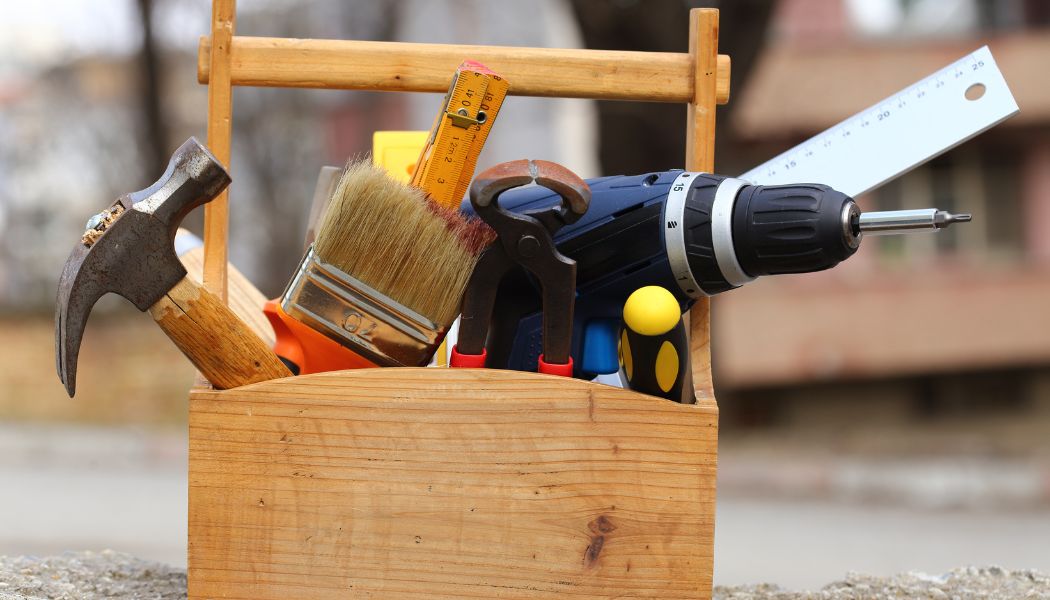
Having a well-stocked toolbox is essential for every homeowner. Whether fixing a leaky faucet, assembling furniture, or handling emergency repairs, the right tools make all the difference. Here are 23 essential hardware tools that should be in every homeowner’s toolbox.
1. Hammer
A hammer is one of the most fundamental tools every homeowner should own. Its primary purpose is to drive nails into various surfaces, making it essential for tasks such as hanging pictures, assembling furniture, or even engaging in small construction projects. A reliable hammer is not just for nailing, though—it is also a versatile tool for tasks like knocking pieces of wood into place or dismantling a worn structure during light demolition work.
When selecting a hammer, opt for a claw hammer as it offers dual functionality. The flat side is perfect for pounding nails, while the curved claw side is designed for pulling out nails or prying apart objects. A mid-sized hammer, typically between 16 and 20 ounces, is ideal for home use as it strikes a balance between being heavy enough for durability and lightweight enough for ease of handling.
Ergonomics also play a significant role in choosing the right hammer. Look for one with a comfortable rubberized grip to reduce hand fatigue and ensure a firm hold, especially during extended use. Additionally, fiberglass or steel hammers are highly recommended as they provide enhanced durability and shock absorption to mitigate strain on the user’s wrist. A hammer might seem like a basic tool, but its functionality and versatility make it an indispensable part of any homeowner’s toolkit.
2. Screwdriver Set
A high-quality screwdriver set is another crucial addition to your toolbox, owing to its immense utility across a broad spectrum of household tasks. Whether you need to assemble a new piece of furniture, tighten the screws on a loose cabinet hinge, or open the battery compartments of electronic devices, a screwdriver set ensures you`re equipped to handle the task effortlessly.
It`s essential to have a variety of screwdriver sizes and types in your set to cover different uses. At a minimum, the set should include both flathead screwdrivers, which are used for screws with a single straight groove, and Phillips head screwdrivers, designed for screws with a cross-shaped indented center. These two varieties alone will cover most of the screws found in household items and fixtures.
When choosing a screwdriver set, look for one with magnetic tips. Magnetic tips make it much easier to maneuver screws, particularly in tight or hard-to-reach spaces, by holding the screw in place during insertion or removal. Another helpful feature to consider is an ergonomic handle, which provides a comfortable grip and prevents hand strain when dealing with stubborn or tightly fastened screws.
For added versatility, you might also consider a multipurpose screwdriver with interchangeable heads that can save space and eliminate the need to carry multiple individual tools. Alternatively, a cordless electric screwdriver is a great option for those who frequently work on larger projects, as it provides convenience and efficiency.
Investing in a durable and comprehensive screwdriver set ensures that you`ll always be ready for any repair or assembly needs, making this tool a staple in every well-equipped homeowner`s arsenal.
3. Tape Measure
Measuring accurately is essential for the success of any home improvement project, whether it involves constructing furniture, installing shelving, or tackling DIY repairs. A 25-foot retractable tape measure is an excellent choice, offering the perfect balance of versatility and portability for most tasks. Retractable tape measures are constructed with a durable, flexible metal blade that features clear, precise markings for metric and imperial measurements. These markings ensure ease of use for carpenters, designers, and hobbyists alike.
One of the most useful features of a tape measure is its locking mechanism, which allows you to secure the tape in place while you take your measurements, eliminating the frustration of a retracting blade mid-task. Many modern tape measures also include a standout feature, enabling the blade to extend several feet without bending or collapsing, which is particularly helpful when measuring long distances or reaching high and awkward spots. Additionally, models designed with magnetic tips on the blade end can attach securely to metal surfaces, simplifying tasks such as measuring steel beams or other metallic objects.
For enhanced usability, look for a tape measure with a sturdy, rubberized casing to provide a secure grip and protect the tool from drops or impacts. A built-in belt clip is also a convenient feature, ensuring that the tool stays handy while you move around your project space. With its versatility and durability, a high-quality tape measure is a staple in every toolkit, indispensable for any repair, home improvement, or creative project.
4. Adjustable Wrench
An adjustable wrench, also known as a crescent wrench, is a must-have tool for dealing with nuts, bolts, and other fasteners of various sizes. Its standout feature is the adjustable head, which can be widened or narrowed by turning the screw mechanism embedded in the handle. This adjustability makes it a more practical alternative to a fixed-size wrench, as it can be tailored to fit a wide range of fasteners, eliminating the need to purchase multiple wrenches.
The adjustable wrench is an invaluable tool for tasks such as plumbing repairs, assembling furniture, or fixing bicycles. For plumbing, for instance, it can easily tighten or loosen pipe fittings of different diameters; meanwhile, its slim profile and angled jaws make it ideal for working in tight spaces or hard-to-reach areas. For enhanced strength and grip, premium models are often made from forged alloy steel with anti-rust finishes, ensuring longevity even under frequent use or in damp environments.
When choosing an adjustable wrench, look for ergonomic handle designs, which provide comfort during extended use and reduce the risk of hand fatigue. Some models also include built-in measurement scales, enabling users to quickly set the appropriate jaw width for different tasks. Additionally, smoother adjustment mechanisms ensure fast and precise modifications when switching between different sizes of nuts or bolts.
Together, the tape measure and adjustable wrench form a powerful duo, allowing you to measure, align, tighten, and secure components with ease. Lastly, for all your tool needs, Ace Hardware offers a comprehensive selection of high-quality options, ranging from essential hand tools to advanced power tools. Whether you`re shopping online or visiting a local store, make sure to check for Ace Hardware Coupon Codes to enjoy discounts on your purchases. These codes can make your next home improvement project not only easier but also more economical.
5. Pliers
A reliable set of pliers is an indispensable addition to any toolkit, offering versatility and functionality across a broad range of tasks. Pliers come in various designs tailored to different needs, but two of the most commonly used types are needle-nose pliers and slip-joint pliers.
Needle-nose pliers, characterized by their elongated, slender tips, are perfect for working in tight or confined spaces where precision is crucial. They allow users to grip, bend, or manipulate small objects such as wires, jewelry, or components in electronics. Electricians and DIY enthusiasts in particular find needle-nose pliers invaluable, as their fine tips make it easy to reach into spaces that would otherwise be inaccessible. These pliers also often include a cutting feature, enabling users to snip wires cleanly and efficiently during repair or assembly tasks.
Slip-joint pliers, on the other hand, are prized for their adjustable design, which allows users to change the jaw width to accommodate objects of varying sizes. This adaptability makes them excellent for gripping and holding items securely, such as nails, bolts, or small pipes. Their strong grip also makes slip-joint pliers suitable for bending or shaping metal components. Beyond gripping, many slip-joint pliers come equipped with built-in wire cutters or crimping functions, further enhancing their usefulness in home repairs, crafts, and industrial applications.
When purchasing pliers, invest in pairs with ergonomically designed handles that provide a firm grip while reducing hand strain during extended use. Additionally, choose pliers constructed from durable materials such as hardened steel for long-lasting performance. A set consisting of both needle-nose and slip-joint pliers ensures coverage for a wide variety of tasks, making it an essential element in any toolkit.
6. Utility Knife
A utility knife is one of the most versatile tools you can own, designed to perform an extensive range of cutting tasks with precision and efficiency. Whether you’re opening packages, trimming materials, or tackling detailed craftwork, a utility knife delivers the sharpness and control you need.
The blade of a utility knife is incredibly sharp, typically made from stainless or high-carbon steel, which ensures clean and accurate cuts. Modern utility knives often feature retractable or snap-off blades, providing an added layer of safety and the convenience of having a consistently sharp edge without needing to sharpen the tool manually. The snap-off feature, in particular, allows users to break off dull segments of the blade, instantly exposing a fresh and sharp cutting edge, making repetitive tasks more efficient.
Utility knives excel in versatility—not only are they perfect for box cutting or opening packages, but they are also highly effective for slicing drywall, carpet, plastic, and leather. This flexibility makes them an indispensable tool for a wide variety of professions, including contractors, crafters, and even culinary professionals for specific tasks. For precise cuts on thin materials or curved surfaces, utility knives provide the control that scissors or larger cutting tools often lack.
When selecting a utility knife, opt for one with a comfortable, ergonomic handle to promote better grip and reduce hand fatigue. Some models also feature integrated blade storage compartments, making it easy to replace worn-out blades on the go. Safety should always be a top priority, so consider knives with locking mechanisms that prevent accidental blade extensions.
A high-quality utility knife is not only a go-to tool for construction and repair work but also a handy item to have in everyday situations. Whether you`re embarking on a renovation project or simply opening a stack of delivery boxes, a dependable utility knife ensures every task is completed effortlessly and with precision.
7. Level
A level is an essential tool for maintaining precision and accuracy when it comes to installation and alignment projects around the home. Whether you`re hanging a picture frame, installing shelves, or assembling furniture, a level ensures that everything is properly aligned and straight. Without this tool, it can be challenging to achieve a polished, professional-looking result, especially when dealing with walls or surfaces where even slight misalignments can be very noticeable.
For most home projects, a small handheld level is more than sufficient. These compact tools are lightweight and easy to store, making them convenient for everyday use. Some models also come with additional features, such as laser projection or digital displays, which can enhance accuracy and efficiency for more advanced projects. When choosing a level, consider the type of tasks you`ll be performing. Traditional bubble levels are simple to use and require no batteries, while laser levels are ideal for larger-scale projects that require extended precision, like aligning multiple shelves across a long wall.
To use a level effectively, place it on the surface you want to test and observe the position of the bubble within its vial. If the bubble rests perfectly between the two marked lines, the surface is aligned and level. For vertical surfaces, a level can also check for plumb alignment—ensuring your walls, posts, or furniture are perfectly upright. This tool is an invaluable aid in preventing mistakes and ensuring your projects not only look great but are also structurally sound. Investing in a high-quality level is a small yet impactful way to elevate your do-it-yourself capabilities.
8. Cordless Drill
A cordless drill is undoubtedly one of the most versatile and indispensable tools any homeowner can own. Whether you`re assembling furniture, mounting wall fixtures, or tackling construction projects, a cordless drill streamlines the process of drilling holes and driving screws with remarkable efficiency. This tool is designed to offer maximum convenience, allowing you to work without the restrictions of a cord, which is particularly helpful in areas without readily available power outlets or for outdoor applications.
Modern cordless drills come in a variety of sizes and power levels, typically powered by rechargeable lithium-ion batteries. These batteries are long-lasting, lightweight, and provide consistent power, ensuring your drill remains reliable during extended use. Many cordless drills also feature adjustable torque settings, which allow you to customize the tool`s power output depending on the material you`re working with—be it wood, drywall, or metal. Some models include built-in LED lights for improved visibility in dimly lit spaces, making them highly practical for working in cabinets, garages, or tight corners.
The versatility of a cordless drill makes it a go-to tool for both beginner DIYers and seasoned professionals. It can be used for a wide array of applications, from installing curtain rods and assembling bookshelves to creating pilot holes for screws and even mixing paint or grout with the right attachment. When selecting a cordless drill, it’s beneficial to choose a model with a comfortable grip and an ergonomic design to reduce fatigue during prolonged use. Additionally, pay attention to the drill`s chuck size, as this determines the range of drill bit sizes the tool can accommodate.
Taking good care of your cordless drill will ensure it performs reliably for years to come. Always store the drill and its accessories in a dedicated case or tool organizer to prevent damage, and make sure to charge the batteries regularly to avoid downtime. With a cordless drill in your toolkit, you`ll be equipped to handle everyday repairs, home improvement projects, and creative DIY endeavors with ease and efficiency. It’s a true workhorse that no homeowner should be without.
9. Drill Bits Set
A drill bits set is an indispensable accessory for any cordless drill, allowing it to become a truly versatile tool suitable for a wide range of tasks. A high-quality set will include a variety of drill bits designed to handle different materials such as wood, metal, plastic, and even masonry. Each type of drill bit is engineered with a specific purpose, ensuring that the drill performs optimally while preserving the integrity of the material being worked on.
For woodworking, spade bits or brad point bits are excellent options, as they provide clean, precise holes with minimal splintering. For metal, high-speed steel (HSS) or cobalt bits are specifically designed to withstand the high heat generated during drilling, making them durable and effective for penetrating hard surfaces. When working with plastic, a standard twist bit often suffices, though care must be taken to drill at a lower speed to avoid cracking or melting the material. Masonry bits, which are typically constructed with tungsten carbide tips, are ideal for drilling into concrete, brick, or stone, making them a must-have for heavier-duty projects.
Having a comprehensive drill bits set also means access to different sizes, allowing for greater precision and flexibility in projects. From small diameters used for pilot holes to larger sizes suitable for furniture assembly or carpentry, the right bit can make all the difference. Specialized bits, such as countersink bits or step drill bits, can further elevate your toolkit by enabling advanced techniques like countersinking screws or enlarging existing holes with precision.
Proper organization and maintenance of drill bits are essential to prolong their lifespan and ensure consistent performance. Many sets come in a robust storage case that categorizes and protects the bits, saving you time when searching for the correct size or type. Regularly inspecting the bits for wear and sharpening them as needed can keep them in peak condition. Investing in a quality drill bits set not only enhances the effectiveness of your cordless drill but also increases its adaptability, ensuring you’re always prepared for any task that comes your way.
10. Stud Finder
A stud finder is a crucial tool for those undertaking home improvement or DIY projects, particularly when it comes to securely mounting heavy objects on walls. Whether you`re hanging a television, shelving, artwork, or a mirror, locating the wooden beams—or studs—behind drywall ensures that your fasteners are anchored in a solid and stable structure, reducing the risk of damage or accidents.
Modern stud finders come in two primary designs—magnetic and electronic. Magnetic stud finders rely on powerful magnets to detect the metal nails or screws used within wooden studs, offering an affordable yet effective option for occasional use. Meanwhile, electronic stud finders provide more advanced functionality, using sensors to detect changes in wall density, which reveals the precise location of a stud. Many models even include additional features, such as detecting live wiring, a function that enhances safety during drilling or nailing.
Using a stud finder is generally straightforward; after calibrating the device according to the manufacturer`s instructions, you simply slide it along the wall. When a stud is detected, a visual or auditory signal will alert you to the spot, allowing you to mark it clearly. For more precise results, it`s often helpful to measure and locate multiple studs in proximity to each other, as most standard constructions follow a predictable spacing pattern (commonly 16 or 24 inches apart).
Investing in a reliable stud finder can save time and prevent frustration, especially when dealing with drywall, where studs are not visible. It ensures that your projects are executed with both efficiency and safety in mind, delivering professional-quality results. Beyond hanging heavy items, a stud finder can also prove useful when installing cabinets, building partitions, or making renovations that require awareness of a wall`s internal structure. Adding a stud finder to your tool collection is a simple way to elevate your craftsmanship and ensure long-lasting success in your home improvement endeavors.
11. Allen Wrench Set
An Allen wrench set, also known as a hex key set, is an indispensable tool for both novice and experienced DIY enthusiasts. These small, L-shaped tools are specifically designed to tighten or loosen fasteners with hexagonal sockets. Allen wrenches are most commonly used during furniture assembly, especially for pieces such as desks, chairs, and tables that rely on hex bolts for secure construction. Many modern appliances and electronics also use hex screws, making this tool essential for repairs and maintenance in these areas.
Allen wrenches are available in various sizes to match different fasteners, and most sets include both metric and imperial measurements, ensuring versatility for a wide range of projects. Their compact design allows for easy handling in tight spaces where larger tools cannot reach. Some advanced sets may include T-handle grips or ball-end designs, which provide additional comfort and allow for angled access, further expanding their usability. Despite their simplicity, Allen wrenches are one of the most reliable tools for creating a strong, durable connection between parts. Investing in a high-quality set will ensure that you’re well-equipped to handle tasks efficiently, whether it`s assembling flat-pack furniture or repairing mechanical devices.
12. Handsaw
A handsaw is a timeless tool that has remained a staple in woodworking and home improvement for generations. This manually operated saw is ideal for cutting through a variety of materials, including wood, PVC pipes, and even lightweight metals, making it a versatile addition to any tool collection. Unlike power tools, which require an energy source, a handsaw operates solely on physical effort, providing a reliable solution for remote locations or quick, small-scale projects.
Handsaws come in different types, such as crosscut saws for cutting across the grain of wood or rip saws for slicing along the grain. Some handsaws feature finely serrated teeth for precision cuts, while others are designed for more aggressive work, such as trimming branches or cutting through plywood. They are particularly useful for tasks where a smaller, more controlled cut is needed, such as crafting furniture, repairing fences, or installing plumbing systems. Handsaws are lightweight, portable, and simple to maintain; keeping the blade sharp ensures consistent performance. For those who value precision and convenience without relying on electricity, a high-quality handsaw is an excellent choice.
13. Duct Tape
Often celebrated as one of the most versatile tools in any household, duct tape serves countless functions for repairs, projects, and emergencies. This heavy-duty, adhesive-backed tape is made with a reinforced cloth layer and a waterproof polyethylene coating, making it incredibly durable and reliable. Its strength and adaptability have earned it a reputation for being able to "fix almost anything." From sealing air leaks to mending broken items, duct tape is an essential tool for anyone who values quick, creative solutions.
Duct tape’s uses span a wide range, from temporary fixes, such as patching a torn hose or sealing a crack in plastic, to permanent solutions in crafting or construction. It is also invaluable during outdoor activities, where it can be used to repair gear, such as tents or backpacks, in an emergency. Available in various widths and colors, duct tape accommodates different needs and preferences. For projects requiring a clean aesthetic finish, black or white duct tape can blend seamlessly with the surface, while brightly colored or patterned varieties can add a decorative touch.
Its ease of use makes it a beginner-friendly tool; simply tear off a strip to the desired length and press it into place. Whether you need to bind objects together, insulate wires, or create makeshift repairs, duct tape is a must-have in any toolkit. Having a roll or two on hand ensures that you’re prepared for a variety of unexpected situations, proving that this simple yet effective tool lives up to its legendary status.
14. Flashlight
A durable flashlight or headlamp is an indispensable tool for a wide range of activities, especially in situations with limited visibility. Whether you`re working in low-light conditions, navigating during a camping trip, or responding to a power outage, a reliable flashlight ensures safety and functionality. Modern flashlights come equipped with advanced LED technology, offering brighter light output, greater energy efficiency, and longer lifespans compared to traditional incandescent models. Many models also feature multiple lighting modes, including high, low, strobe, and even SOS signaling, making them versatile for different scenarios.
When choosing a flashlight, it’s essential to consider factors like durability and water resistance. Models with robust, shockproof bodies made from materials such as aluminum or impact-resistant plastic are ideal for heavy-duty tasks. Water-resistant or waterproof flashlights are particularly useful for outdoor adventures, where weather conditions can be unpredictable. Some flashlights are even equipped with rechargeable batteries or can be powered through USB ports, eliminating the need for disposable batteries and adding convenience for frequent use.
Headlamps are another excellent option for hands-free operation, especially when working in tight or awkward spaces. They are commonly used in tasks such as car repairs, plumbing fixes, or outdoor treks in the dark. Adjustable straps and tilting light heads make headlamps even more user-friendly, allowing the wearer to direct light exactly where it is needed.
Beyond practical uses, flashlights also play a significant role in emergency preparedness. Keeping a dependable flashlight in your emergency kit, along with backup batteries, can be a lifesaver during natural disasters, such as storms or earthquakes. Compact, keychain-sized flashlights are also useful for everyday convenience, ensuring you have access to light whenever and wherever it’s required.
15. Safety Glasses
Safety glasses are an essential piece of protective gear designed to shield the eyes from potential hazards while working with tools or engaging in tasks involving flying debris, sharp materials, or harmful substances. Eye protection is crucial in environments where dust, sparks, or chemicals are present, as even minor exposure to these elements can lead to serious injury or long-term damage.
High-quality safety glasses are made with impact-resistant polycarbonate lenses, which are lightweight, durable, and capable of withstanding strong impacts from projectiles. Many models also feature an anti-scratch coating to ensure clear visibility, as well as UV protection for outdoor tasks. For additional comfort and practicality, look for safety glasses with adjustable temples and padded nose bridges, which allow for a snug yet comfortable fit during extended use.
For those wearing prescription glasses, safety goggles or over-the-glass safety glasses are ideal solutions that provide comprehensive eye protection without compromising vision correction. Additionally, some safety glasses are designed with anti-fog coatings, which prevent lenses from clouding up in humid environments or during strenuous activity.
Safety glasses aren’t just for professional use—they are equally important for DIY enthusiasts and hobbyists alike. Whether you`re cutting wood, soldering metal, or sanding surfaces, wearing proper eye protection minimizes risk and allows you to focus on the task at hand with peace of mind. Beyond workshop tasks, safety glasses are invaluable during yard work, such as mowing the lawn or trimming hedges, where flying debris poses a significant hazard.
Taking the simple step of wearing safety glasses whenever working with tools or in high-risk conditions can make a tremendous difference. After all, your vision is irreplaceable, and investing in protective eyewear is a small yet meaningful commitment to preserving it.
16. Work Gloves
Work gloves are an essential tool for anyone working in environments where hand protection is required. These gloves are specifically designed to safeguard your hands from a wide range of potential hazards, such as sharp objects, chemicals, rough surfaces, and extreme temperatures. Whether you`re handling heavy machinery, working with sharp tools, or even gardening among thorns and coarse materials, work gloves provide a vital barrier between your skin and the dangers of a task.
Modern work gloves come in a variety of materials to suit different applications. Leather gloves, for example, are highly durable and offer excellent protection against abrasions and punctures, making them ideal for construction or carpentry projects. On the other hand, nitrile or rubber-coated gloves are resistant to chemicals and provide a good grip, making them perfect for mechanics or individuals working with lubricants and solvents. Some gloves are even insulated to protect against cold temperatures, while others are heat-resistant for use in welding or high-heat applications.
Additionally, many work gloves are designed with ergonomic features to improve comfort during extended use. Padding and reinforced palms help reduce the strain on your hands, making repetitive tasks easier to perform. Touchscreen-compatible options also allow for greater functionality without removing the gloves, which is especially useful in modern job sites requiring digital tools. By selecting the right type of work glove for your needs, you can ensure both safety and efficiency while working. Remember, protecting your hands is crucial given how often they interact with the tools and materials involved in nearly every task.
17. Socket Wrench Set
A socket wrench set is one of the most versatile and indispensable tools in any workshop, garage, or toolbox. This set is designed to simplify the process of tightening and loosening bolts and nuts, saving time and effort compared to traditional manual wrenches. Socket wrenches, also known as ratchet wrenches, work through a mechanism that allows rotation in one direction while staying locked in the opposite direction. This design eliminates the need to repeatedly reposition the wrench, making it highly efficient, especially in tight or awkward spaces.
Socket wrench sets usually include a variety of components to handle a wide range of tasks. They typically come with a ratchet handle and an assortment of detachable sockets in various sizes to accommodate different bolt and nut dimensions. Metric and standard (imperial) measurements are often covered to ensure compatibility with international and domestic hardware. Some sets even feature deep sockets for reaching recessed bolts, along with extensions for tackling hard-to-reach areas where a standard wrench falls short.
Advanced socket wrench sets also come with additional features such as swivel or flex heads, allowing for greater maneuverability. Some sets include torque wrenches to achieve precise tightening, which is particularly important in automotive work or assembly lines where overtightening can lead to damage. Durable materials such as chrome vanadium steel ensure that these tools withstand high stress and resist corrosion over time, making them a long-lasting investment for both professionals and DIY enthusiasts.
Having a socket wrench set at your disposal can drastically increase efficiency across numerous tasks. Whether you`re assembling furniture, fixing bicycles, or maintaining vehicles, these tools simplify complex jobs, ensuring bolts and nuts are tightened or loosened with minimal fuss. It`s a time-tested solution that continues to stand as a pillar of practicality and utility in any toolkit.
18. Clamps
Clamps are indispensable tools for any workshop or DIY project, as they ensure materials remain securely in place during tasks like cutting, gluing, or assembling furniture. These tools come in a variety of styles and sizes, each designed for specific purposes. For instance, bar clamps are ideal for holding large pieces of wood together when crafting furniture or cabinetry, while spring clamps offer a more portable option for light-duty tasks such as holding glued parts in place as they dry. C-clamps, on the other hand, are known for their strong grip and are often used in metalworking or welding projects.
Modern clamps are built with durable materials like steel or heavy-duty plastic, ensuring they provide strong and consistent pressure without damaging the workpiece. Many clamps also come with adjustable tension settings, so you can tailor the pressure to fit the material type and task at hand. Their ergonomic designs and cushioned handles make them comfortable to use, even during prolonged tasks. Whether you`re a professional carpenter or an occasional DIY enthusiast, having a selection of clamps in your toolbox can greatly enhance precision, efficiency, and safety.
One of the most significant advantages of clamps is their versatility across different fields. Woodworkers use them to secure boards for sanding or planing, while craftsmen rely on them to stabilize materials while painting or adding intricate details. Even in home repair, clamps can be incredibly useful for holding pipes or materials in place temporarily during fixes. By preventing unintentional movement, clamps allow for greater accuracy and reduce the risk of errors.
19. Wire Cutters
Wire cutters are essential tools for both professionals and DIYers, particularly in electrical work and crafting. These tools are designed to safely and efficiently cut through wires, cables, and other thin metallic materials without causing damage to the surrounding area or the wire`s insulation. Wire cutters are typically equipped with sharp, hardened steel blades that make clean, precise cuts with minimal effort.
There are various types of wire cutters to suit different applications. Standard wire cutters are the most common and are perfect for general-purpose use, while diagonal cutters have angled cutting edges for reaching into tight spaces. Flush cutters, on the other hand, are ideal when you need a smooth, level cut, often used in electronics or jewelry making. For heavy-duty tasks, such as cutting thick cables or wires with a steel core, bolt cutters or specialized cable cutters may be required as they provide additional cutting power.
What sets wire cutters apart is their safety features and user-focused designs. Most modern wire cutters include non-slip, insulated handles that protect against electric shocks while providing a firm and comfortable grip. Many also feature a spring-loaded mechanism that reduces hand fatigue during repetitive tasks. These practical enhancements make wire cutters both effective and safe for handling live wires or delicate electrical connections.
Wire cutters are irreplaceable in a wide range of applications. Electricians rely on them for tasks like stripping wire ends for secure connections or trimming excess wiring during installation. DIY homeowners use them for projects such as constructing home theater systems, repairing appliances, or creating custom lighting setups. Crafters and artisans find wire cutters invaluable for shaping and cutting metal wires in jewelry making or sculpting.
If you want to upgrade your toolkit or save money on premium hardware tools, make sure to visit CouponGot. You can find amazing deals and discounts on home improvement tools, including clamps, wire cutters, and much more. Whether you`re tackling big home renovation projects or simple repairs, CouponGot helps you get the quality tools you need at affordable prices, ensuring your work is both efficient and budget-friendly.
20. Caulking Gun
A caulking gun is an indispensable tool when it comes to sealing gaps and cracks in various parts of your home, such as windows, doors, and bathrooms. It is a device that holds tubes of caulk or sealant and allows for precise, controlled application of the material. Typically, a caulking gun consists of a handle, a trigger, a frame to hold the sealant tube, and a plunger mechanism that pushes the caulk out of the nozzle as you squeeze the trigger. This tool is incredibly versatile and can be used in a wide range of scenarios, from preventing air leaks around windows and doors to waterproofing areas around bathtubs, sinks, and showers.
Using a caulking gun properly not only seals gaps effectively but also enhances the overall energy efficiency of your home by reducing drafts and preventing water damage. There are different types of caulking guns available, including manual, electric, and pneumatic varieties, each suited for different levels of expertise and project scopes. For smaller DIY tasks, a manual caulking gun suffices, but for larger projects or frequent use, electric or pneumatic models offer better consistency and ease of operation. When using a caulking gun, preparation is key. Ensuring that the surface is clean, dry, and free of old caulk or debris is crucial for a strong, durable bond. Proper technique, such as holding the gun at a 45-degree angle and applying steady pressure, ensures professional-looking results with minimal mess.
The caulking gun is truly a must-have for any homeowner or professional contractor, as it simplifies the process of sealing and repairing, saving both time and effort while delivering long-lasting results.
21. Pry Bar
A pry bar, also known as a crowbar or lever, is another essential tool that is highly valued for its strength, versatility, and practical applications. This tool typically features a long, sturdy metal bar with a curved or straight edge and a flattened tip, which is engineered specifically for pulling nails, prying apart materials, lifting heavy objects, or handling various demolition tasks. A pry bar is commonly made of high-quality forged steel, ensuring it can withstand significant force and resist bending or breaking during heavy-duty work.
The pry bar comes in a range of sizes, from small pocket-sized versions to larger models designed for heavy-duty demolition. This makes it an incredibly adaptable tool for different projects. Removing nails is one of its most common uses—it can easily wedge under the nail head and leverage it out of wood or other surfaces with minimal damage. Beyond nail removal, a pry bar is indispensable in remodeling and demolition work. For instance, it can help lift or separate wood planks, remove trim or molding, dismantle pallets, and even assist in the removal of stubborn flooring or tiles. Its leverage makes it highly effective for lifting heavy objects or unseating fixtures that are nailed or bolted down.
Safety is key when using a pry bar. Wearing gloves and ensuring a firm grip reduces the risk of injury, especially when working on challenging materials or in tight spaces. To maximize its utility, some pry bars come with specialized claw or wedge designs tailored for specific tasks, such as precision nail pulling or lifting hard-to-reach areas. Whether you are a professional contractor or a DIY enthusiast, a pry bar is a vital addition to your toolkit, offering immense power and practicality for a variety of home improvement or maintenance needs.
22. Ladder
A sturdy step ladder is an essential tool for a wide range of tasks that require reaching elevated surfaces safely and effectively. Whether you`re painting walls, fixing overhead lighting, hanging decorations, or performing routine maintenance tasks like cleaning gutters, a quality ladder ensures stability and ease of access. Step ladders are particularly invaluable because of their foldable design and lightweight construction, making them easy to transport and store when not in use. Many modern step ladders also feature anti-slip treads on the rungs to provide added security and prevent accidents while climbing up or down.
When selecting a ladder, it`s vital to consider its height, weight capacity, and build material to ensure it meets your needs. Aluminum ladders are widely appreciated for their lightweight and rust-resistant properties, while fiberglass ladders are durable and a safer option when working near electrical sources, as they are non-conductive. Additionally, the ladder`s weight rating, often classified as Type I, Type II, or Type III, is crucial for determining how much load it can safely bear, including your weight and any tools or supplies you`re carrying.
Some step ladders come equipped with extra features, such as a built-in tool tray or extendable legs for working on uneven surfaces, which can further enhance their versatility. For professional or long-term use, investing in ladders with these added conveniences can save time and improve efficiency during projects. Regular maintenance, such as wiping off dirt and inspecting for wear or damage, is also important to keep your ladder in proper working condition. With its wide range of uses and the safety it provides, a reliable step ladder is a must-have for both DIY enthusiasts and professionals alike.
23. Tool Box
A durable toolbox is the backbone of any organized and efficient workspace. It ensures that essential tools are stored securely and kept within easy reach whenever needed. Whether you`re a professional tradesperson, a hobbyist, or tackling occasional home repair projects, a toolbox is indispensable for maintaining order and protecting tools from damage. Made from materials like steel, aluminum, or heavy-duty plastic, modern toolboxes are designed to withstand daily wear and extreme conditions while being portable enough to carry to various job sites.
The design and structure of the toolbox play a key role in its functionality. Many models feature multiple compartments, trays, and adjustable dividers to accommodate a variety of tools, ranging from hammers and screwdrivers to smaller items like screws, nails, and drill bits. Some advanced toolboxes also come with locking mechanisms to secure valuable items against theft or unintentional spillage during transport. For users who require mobility, rolling toolboxes with retractable handles and wheels provide a convenient option for lugging multiple tools and heavier equipment.
Properly organizing a toolbox can significantly improve workflow, saving time by eliminating the frustration of searching for misplaced tools. Additionally, it helps preserve the lifespan of the tools, as storing them in a clean, dry environment prevents rust and corrosion. To maximize its potential, a toolbox should be regularly decluttered, ensuring that only necessary items are kept inside and broken or unused tools are removed.
For professional contractors, investing in a toolbox with advanced features such as weather-resistant seals, modular storage, or power cord ports can enhance productivity. Meanwhile, homeowners and DIYers may prefer a compact and lightweight version that prioritizes portability and ease of use. Regardless of your skill level or project scope, a sturdy and thoughtfully organized toolbox is the foundation of problem-solving and efficiency, making it an invaluable asset in any setting.
Conclusion
Having these essential tools in the toolbox helps homeowners tackle repairs and DIY projects with confidence. Investing in good quality tools saves time and money while making home maintenance effortless.
Frequently Asked Questions About Hardware Tools
1. What are the essential tools every homeowner should have?
Every homeowner should have a basic toolkit that includes a hammer, screwdrivers (flathead and Phillips), a tape measure, pliers, an adjustable wrench, a utility knife, and a level. These tools can handle most minor repairs and household projects.
2. How do I maintain my hardware tools?
To keep tools in good condition, clean them after use, store them in a dry place to prevent rust, and regularly inspect for wear or damage. It`s also important to oil moving parts, such as on wrenches or pliers, for smoother operation.
3. What is the difference between hand tools and power tools?
Hand tools are manually operated and include items like hammers, screwdrivers, and wrenches. Power tools, on the other hand, are powered by electricity or batteries and include drills, circular saws, and sanders. Power tools are typically used for more demanding tasks.
4. How do I choose the right drill for my project?
Consider the material you’ll be working with and the power needed. Cordless drills are versatile for most tasks, while corded drills offer more consistent power for heavy-duty jobs. Check for adjustable speed and various drill bit options for greater flexibility.
5. Are expensive tools worth the investment?
While budget tools can suffice for occasional use, investing in high-quality tools ensures better durability, performance, and safety over time, especially for frequent or professional use. Assess your needs before deciding.
6. How do I safely use hardware tools?
Always wear appropriate safety gear like goggles and gloves, read and follow the manufacturer’s instructions, and use the right tool for the job. Avoid forcing tools beyond their intended purpose to prevent injuries.