22 Signs You Need a Snoring Mouthpiece Tonight
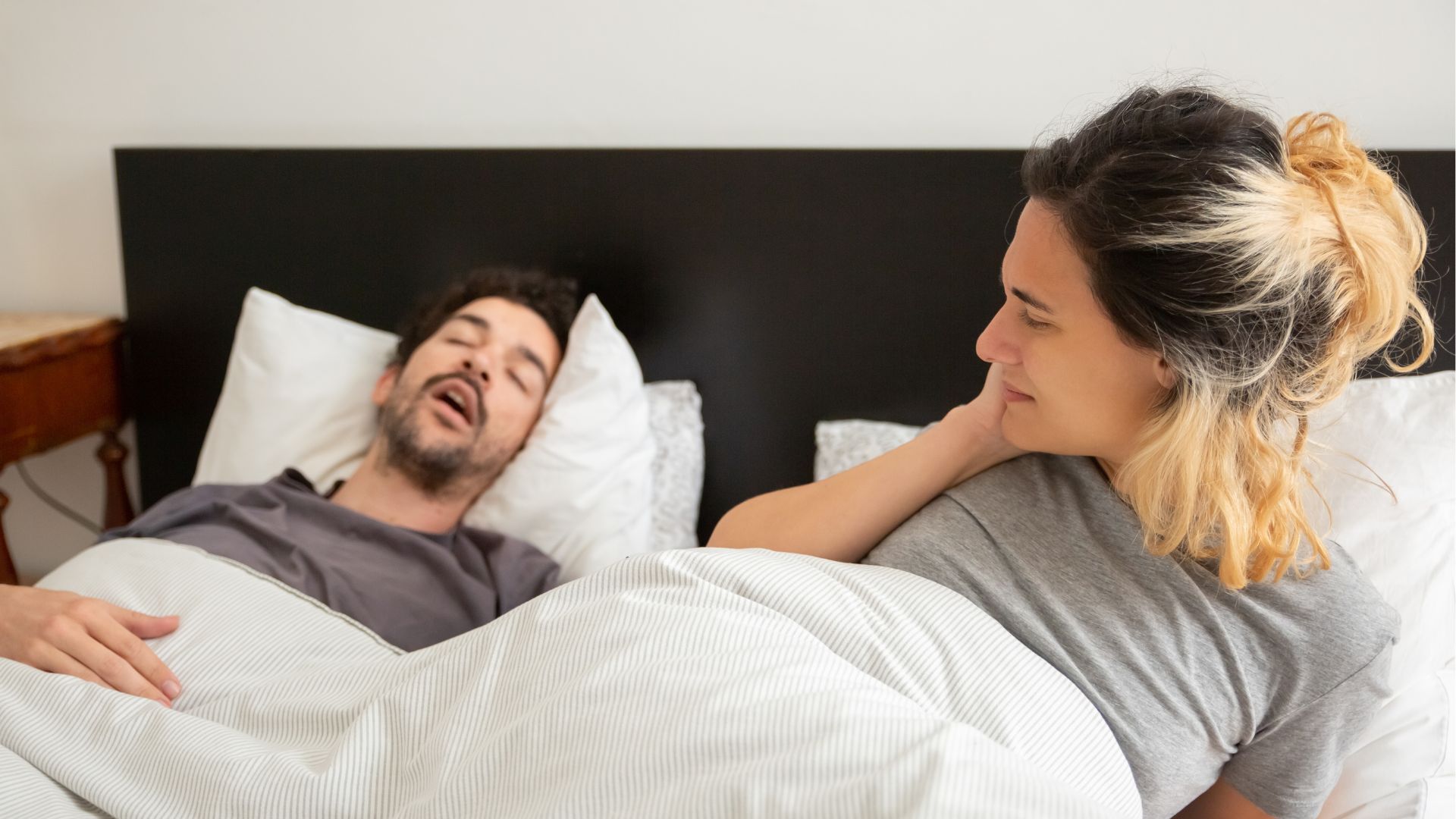
Snoring is more than an annoying nighttime habit – it can signify underlying health issues and disrupt your quality of sleep. Identifying the signs early is crucial to addressing the problem effectively. Below are 22 signs that indicate you need a snoring mouthpiece right away.
1. Persistent Snoring Every Night
Snoring every night is a clear sign that something might be wrong with your sleep patterns. Persistent snoring occurs when airflow is partially blocked as it moves through your throat, causing the surrounding tissues to vibrate and produce that distinct sound.
While occasional snoring can result from temporary factors like a cold or nasal congestion, habitual nightly snoring suggests a more chronic issue that requires intervention. This can happen due to various reasons, including obesity, relaxed throat muscles, or even lifestyle factors like alcohol consumption before bed.
Left unaddressed, this constant blockage of airflow can not only disturb your partner’s sleep but also have serious implications for your overall health. It could be indicative of sleep disorders such as obstructive sleep apnea, which is characterized by actual pauses in breathing, leading to reduced oxygen levels in the body. Over time, this lack of quality sleep can increase the risk of high blood pressure, heart disease, and other serious health conditions.
A snoring mouthpiece can be an effective tool to reposition your jaw or keep your airway open, reducing the likelihood of snoring every night. By addressing persistent snoring with solutions like a snoring mouthpiece, you can ensure uninterrupted airflow and start reclaiming restful, healthy sleep.
2. Daytime Fatigue
Feeling excessively tired during the day, even after what seems like a full night’s sleep, may point to issues with your sleep quality. Daytime fatigue often results from your body not getting the deeper stages of rest necessary for physical and mental recovery, which could directly be caused by nighttime snoring.
Snoring disrupts your natural sleep cycle by repeatedly waking you up throughout the night, even if you don’t fully regain consciousness. These interruptions prevent your body from reaching REM sleep, which is crucial for cognitive functions, memory consolidation, and emotional balance. The result is waking up feeling groggy, experiencing difficulty concentrating, and struggling with low energy throughout the day.
Chronic fatigue can negatively impact your work performance, relationships, and even your overall mental health, potentially leading to irritability or symptoms of depression. Addressing snoring by using a snoring mouthpiece can help keep your airways open and improve sleep quality, allowing you to wake up feeling rested and energetic. Investing in a solution like this is not just about silencing the snoring but about enhancing your daily productivity and quality of life through better sleep.
3. Partner Complaints About Noise
Snoring can be more than just a personal problem; it can heavily impact those who share a sleeping space with you. Loud, persistent snoring disrupts your partner`s ability to fall into and maintain deep sleep cycles, which are essential for their overall well-being. Over time, the lack of quality sleep can lead to increased irritability, fatigue during the day, and even health issues for your partner.
This problem often places strain on relationships as frustration and resentment build, particularly when the issue remains unaddressed. Sleep deprivation doesn’t just affect the physical health of your partner; it can also affect their emotional health, leading to mood swings, reduced patience, and difficulty focusing on daily tasks.
With time, these disruptions can create a significant wedge between you and your partner, as every restless night might be viewed as a recurring problem that goes unresolved. Looking into effective solutions, such as anti-snoring devices or lifestyle changes, shows consideration for your partner`s needs and demonstrates a willingness to prioritize your shared quality of life.
Addressing snoring isn`t just about silencing the noise; it’s about making an effort to create a more harmonious living environment. Relationships built on mutual respect benefit heavily from shared comfort in spaces such as the bedroom. By taking steps to mitigate snoring, like trying a snoring mouthpiece or consulting a healthcare professional, you restore peace to your partner`s sleeping experience and demonstrate care for their health and happiness. This can go a long way toward improving the dynamics of your relationship while enabling both partners to wake up feeling rejuvenated. It is a problem worth tackling—investing in better sleep contributes significantly to a healthier, happier partnership.
4. Difficulty Staying Asleep
Frequent wake-ups during the night can severely disrupt your sleep cycle and prevent your body from achieving the restorative rest it needs. Many people who snore might not even realize how often they wake up throughout the night, but this could be linked to inefficient airflow caused by a partially blocked airway.
When the passage of air is obstructed, your brain may briefly jolt you awake to restart proper breathing, interrupting crucial phases of restorative sleep, including deep sleep and REM sleep. These disruptions, though often forgotten by morning, can accumulate over time, leaving you feeling exhausted and unrefreshed even after what seemed like a full night of sleep.
Poor-quality sleep due to snoring has far-reaching effects on your physical and mental health. It could lead to chronic fatigue, reduced cognitive function, and difficulties concentrating on tasks at work or in your daily life. Over time, your body`s immune system may weaken due to a lack of adequate rest, increasing your susceptibility to illness. Additionally, fragmented sleep can impact your emotional equilibrium, making you more prone to stress, anxiety, and even depression. Recognizing that snoring contributes to these disruptions is the first step toward finding a solution.
By addressing snoring with tools such as a snoring mouthpiece, nasal strips, or targeted exercises for the throat muscles, you can work toward reducing nighttime interruptions. These solutions help keep your airways open, allowing for smoother airflow and allowing you to stay asleep more easily. Ultimately, improving the quality of your sleep doesn`t just enhance your nights—it rejuvenates your days, empowering you with the focus, vitality, and well-being to tackle life`s demands.
5. Morning Headaches
Waking up with persistent headaches can be a troubling sign, which is often associated with interrupted breathing caused by snoring. When snoring disrupts your sleep, it can lead to a condition called sleep apnea, where breathing repeatedly stops and starts during sleep. This lack of consistent oxygen flow can affect blood circulation and lead to the development of headaches upon waking.
Morning headaches related to snoring can vary in severity but are typically described as a dull, pressing pain across the forehead or temples. Addressing the root cause of snoring, such as through the use of nasal strips, specially designed pillows, or even consulting a health professional, can significantly alleviate these issues. By improving your breathing and ensuring a more restful sleep cycle, you can reduce the occurrence of these headaches and start your mornings feeling refreshed and pain-free.
6. Waking Up With a Dry Mouth or Sore Throat
A dry mouth or sore throat in the morning is a common symptom linked to mouth breathing during sleep, which is often a result of snoring. When you snore, the airflow through your mouth can dry out saliva, leading to discomfort and irritation in your throat, tongue, and gums. If this happens frequently, it could also indicate an underlying issue like nasal congestion or enlarged tonsils, which force you to breathe through your mouth instead of your nose.
To address this problem, start with simple measures such as using a humidifier in your bedroom to add moisture to the air or exploring anti-snoring solutions like chin straps or oral appliances that promote nasal breathing. If the issue persists, consulting a medical professional is strongly recommended.
For affordable solutions, consider visiting the CouponGot website, where you can find deals and offers on products specifically designed to combat snoring and its related problems. Taking proactive steps to resolve snoring not only improves your overall sleep quality but also prevents the discomfort of waking up with a dry mouth or sore throat every morning.
7. Gasping or Choking During Sleep
Gasping or choking during sleep is a concerning symptom that may indicate the presence of obstructive sleep apnea (OSA), a serious sleep disorder. OSA occurs when the muscles at the back of the throat relax excessively, causing a temporary blockage of the airway. This restriction interrupts normal breathing, sometimes multiple times throughout the night, forcing the body to gasp for air in order to restore oxygen levels. These episodes can be brief, often lasting just a few seconds, but they disrupt the natural sleep cycle and prevent restful, restorative sleep.
This symptom is often accompanied by loud snoring, as the partial obstruction of the airway generates vibrations in the tissues of the throat. People experiencing OSA may not always remember these episodes of gasping or choking, but they might wake up feeling fatigued, groggy, or with morning headaches. Additionally, untreated OSA can lead to a range of serious health problems, such as high blood pressure, heart disease, diabetes, and even an increased risk of stroke.
Effective management of OSA begins with a comprehensive evaluation by a medical professional, typically a sleep specialist, who may recommend a sleep study (polysomnography) to diagnose the condition. Treatment options can include lifestyle changes, such as losing weight, reducing alcohol consumption, or quitting smoking, as well as medical interventions like Continuous Positive Airway Pressure (CPAP) therapy, oral appliances, or, in severe cases, surgery to remove obstructions. Addressing this symptom early is critical to improving sleep quality and long-term health outcomes.
8. Teeth Grinding at Night
Teeth grinding, or bruxism, is a condition where an individual clenches or grinds their teeth, often unconsciously, during sleep. While the exact causes of bruxism are not fully understood, it is commonly linked to stress, anxiety, or an abnormal bite alignment. Unfortunately, bruxism does more than just affect the teeth—it can also worsen snoring in many individuals and lead to a variety of physical and dental complications over time.
When someone grinds their teeth at night, the excessive force can cause significant wear and tear to the enamel, leading to tooth sensitivity, fractures, or even tooth loss in severe cases. It can also strain the jaw muscles, resulting in discomfort, headaches, or temporomandibular joint (TMJ) disorders. Additionally, the clenching of the jaw contributes to narrowing the airway, which can exacerbate snoring and even contribute to conditions like OSA.
Managing bruxism often requires a multifaceted approach. Dentists may prescribe a custom-made nightguard to protect the teeth and alleviate pressure on the jaw. Behavioral therapies, such as stress management techniques or cognitive-behavioral therapy (CBT), can help address underlying emotional triggers like anxiety. For individuals with misaligned teeth, orthodontic treatments may be advised to correct the bite. It is also important for individuals with bruxism to monitor and mitigate related symptoms, including snoring, by seeking medical advice or incorporating devices that promote optimal airflow during sleep. By addressing teeth grinding proactively, individuals can improve not only their dental health but also their overall sleep quality and comfort.
9. Frequent Nightly Bathroom Trips
Interrupted sleep from snoring can indirectly increase the frequency of nightly bathroom trips, a phenomenon often referred to as nocturia. When snoring disrupts the natural progression of sleep cycles, the body may fail to produce sufficient levels of antidiuretic hormone (ADH), a hormone critical to reducing urine production during rest. Without optimal levels of ADH, the bladder fills faster, prompting more nighttime awakenings.
Furthermore, fragmented sleep caused by snoring can heighten awareness of bodily sensations, such as a mild need to urinate, which may not normally trigger a full wake-up if sleep were uninterrupted. For older adults or individuals already prone to nocturia due to age-related changes, snoring can exacerbate this condition and significantly disturb restful sleep. Addressing snoring as part of a broader sleep health strategy can therefore help reduce these occurrences, allowing for deeper and more restorative rest with fewer bathroom interruptions.
10. Trouble Focusing During the Day
Snoring often leads to fragmented and poor-quality sleep, impairing the body`s ability to enter the deeper, restorative stages of the sleep cycle. This lack of sufficient rest can result in significant cognitive consequences, with one of the most noticeable being trouble focusing during the day. When sleep is frequently interrupted, the brain cannot fully recharge or process information efficiently, leading to decreased attention spans, impaired memory, and reduced problem-solving abilities.
Over time, chronic sleep deprivation caused by snoring can exacerbate the feeling of mental fog, making it harder to maintain productivity or multitask effectively. Additionally, poor-quality sleep may increase irritability and stress, further affecting one`s ability to concentrate. By addressing snoring—whether through medical interventions, lifestyle changes, or sleep aids—individuals can improve the quality of their sleep, fostering sharper focus, better mood regulation, and overall cognitive performance throughout the day.
11. Changes in Mood or Irritability
Poor sleep caused by snoring can have a profound effect on emotional well-being, leading to noticeable changes in mood or even frequent irritability. When the body does not achieve the restorative sleep it needs, particularly the deeper stages of sleep such as REM, the brain’s ability to regulate emotions is compromised. This can manifest as a lower tolerance for frustration, heightened feelings of stress, or sudden mood swings that seem disproportionate to the situation.
For many individuals, this constant state of emotional instability can have a ripple effect on their personal and professional lives. Relationships, for instance, may grow strained due to irritability or a lack of patience, while workplace performance might suffer as a result of decreased emotional resilience and focus.
Over time, these emotional changes can even contribute to more serious mental health issues, including heightened anxiety or symptoms of depression. Addressing snoring can therefore play an essential role in restoring emotional equilibrium. Sleep deprivation caused by snoring should not be underestimated, as a good night’s rest is fundamental for positive mental health and emotional stability.
12. Snoring Loud Enough to Be Heard in Other Rooms
When snoring becomes loud enough to be heard from other rooms, it often indicates a more serious underlying issue. Excessive snoring at such a volume suggests that airflow in the upper airway is being significantly obstructed, which can be a warning sign of conditions like obstructive sleep apnea.
The loud, disruptive noise is typically caused by the vibration of soft tissues in the throat as air struggles to pass through a narrowed or partially blocked airway. This level of snoring not only affects the sleeper but also those within the household, potentially disturbing the sleep quality of others and leading to frustration or tension among family members.
Additionally, extreme snoring volume can hint at the presence of other risk factors, such as obesity, enlarged tonsils, excessive alcohol consumption, or nasal congestion. Beyond the noise alone, it is crucial to recognize loud snoring as a symptom that warrants further evaluation, particularly if it is accompanied by gasping, choking, or observed pauses in breathing during the night.
The Good Morning Snore Solution website offers innovative anti-snoring devices like the Good Morning Snore Solution Mouthpiece, designed to reduce snoring by positioning the tongue forward and keeping the airway open. If you want a discount on their products or services, you should use Good Morning Snore Solution Coupon Codes. Understanding and addressing the root causes of such severe snoring not only provides relief for the household but also helps to prevent potential health complications associated with persistent airway blockages. Seeking medical advice or consulting a sleep specialist can offer effective treatment options to manage this condition and improve overall quality of life.
13. Sleeping in Odd Positions to Alleviate Snoring
For many individuals, snoring may feel like an insurmountable obstacle, leading them to experiment with non-conventional sleeping positions in the hope of reducing the severity of their symptoms. These odd or uncomfortable postures are often an instinctive effort to open up airways and maintain smoother airflow during sleep. For example, some individuals may find temporary relief by propping themselves up with multiple pillows, sleeping partially seated, or lying on their side instead of their back. Back sleeping, in particular, is a common culprit for snoring as it causes the tongue to fall backward, potentially obstructing the airway and increasing vibrations in the throat.
While these unconventional sleeping positions might offer short-term relief, they are not always sustainable and can lead to discomfort, poor sleep quality, or aches and pains upon waking. To address this issue more effectively, a specially designed mouthpiece, such as a mandibular advancement device (MAD), can prove to be a game-changer. These mouthpieces work by gently adjusting the position of the lower jaw and tongue, thereby keeping the airway open and reducing the likelihood of snoring. By using such a device, individuals may no longer need to rely on awkward sleeping arrangements to manage their condition.
Furthermore, lifestyle changes, such as weight management, avoiding alcohol before bed, and practicing good sleep hygiene, can complement the use of a mouthpiece for a more comprehensive approach to snoring reduction. Consulting with a healthcare provider or dentist to explore available options is a proactive step toward regaining restful nights without resorting to uncomfortable and potentially disruptive sleeping positions.
14. Diagnosed Obstructive Sleep Apnea
Obstructive Sleep Apnea (OSA) is a serious condition that is often associated with ongoing, chronic snoring. This disorder is characterized by repeated episodes of partial or complete blockage of the upper airway during sleep, leading to disrupted airflow and, consequently, frequent interruptions in breathing. These episodes can last from a few seconds to over a minute and may occur multiple times during the night. Importantly, this condition not only compromises the quality of sleep but also poses significant health risks, such as high blood pressure, heart disease, stroke, and daytime fatigue, if left untreated.
One of the most definitive signs of OSA is the combination of loud, persistent snoring and pauses in breathing followed by gasping or choking sounds during sleep. Individuals with obstructive sleep apnea often report waking up feeling unrefreshed, experiencing morning headaches, and struggling with concentration or excessive daytime drowsiness. Family members or bed partners are frequently the first to notice these concerning symptoms.
Since sleep apnea is a potentially life-threatening condition, timely diagnosis and treatment are essential. Treatment options vary depending on the severity of the apnea. Continuous Positive Airway Pressure (CPAP) therapy remains the gold standard for moderate to severe cases of OSA. This treatment involves using a CPAP machine to deliver a steady stream of air pressure that keeps the airway open throughout the night. Alternatively, milder cases may be managed with oral appliances similar to mandibular advancement devices, which are designed to reposition the jaw and tongue to improve airflow.
Ultimately, addressing sleep apnea typically requires a multi-faceted approach that includes medical evaluation, lifestyle adjustments, and the correct use of prescribed devices or therapies. Beyond physical health, effective treatment for OSA can dramatically improve overall well-being and quality of life, ensuring restful nights and energized days. Regular follow-ups with healthcare providers and adherence to the recommended treatment plan are critical for achieving sustainable, long-term results.
15. Neck Size of More Than 16 Inches
A neck circumference greater than 16 inches is a significant factor that can contribute to snoring and other sleep-related breathing issues. This is because individuals with larger neck sizes often have excess soft tissue in the throat area, which can lead to a narrowing of the upper airway. When a person lies down to sleep, the muscles in the throat naturally relax. For those with a larger neck size, this relaxation can cause the already narrow airway to become partially blocked, leading to turbulent airflow. This turbulence results in the vibrations of soft tissues, which we recognize as the sound of snoring.
Additionally, a larger neck size is often associated with higher body mass, which can further exacerbate the risk of obstructed airflow. The excess fat around the neck and throat can apply additional pressure on the airway, making it more likely to collapse during sleep. This not only increases the likelihood of snoring but also raises the risk of developing more severe conditions like obstructive sleep apnea (OSA). Monitoring neck size and addressing underlying causes, such as weight gain, can be critical in managing snoring and improving overall respiratory health during sleep.
16. Overweight or Obesity
Carrying excess weight, particularly around the neck and upper body, is one of the primary contributors to snoring. When a person is overweight or obese, the accumulation of fatty tissues around the neck places considerable pressure on the airway. This pressure can restrict airflow during sleep, causing the airway to narrow or even partially collapse. The body compensates for this restriction by increasing the speed and force of inhaled air, which leads to the vibration of soft tissues in the throat — the root cause of the snoring sound.
Furthermore, obesity is closely linked to decreased muscle tone, including in the muscles that support the airway. Poor muscle tone can make it even easier for the airway to collapse during sleep, especially when lying in certain positions, such as on the back. This problem is compounded by the fact that individuals with obesity are more likely to have fat deposits around the chest and abdomen, which can reduce lung capacity and make breathing more labored, particularly while sleeping.
Reducing body weight through a combination of a healthy diet, regular physical activity, and lifestyle modifications can significantly improve airflow and reduce snoring. Even a modest weight loss can lead to notable improvements in the quality of sleep and overall health. Addressing obesity not only helps with snoring but also lowers the risk of serious health conditions like cardiovascular disease, diabetes, and obstructive sleep apnea.
17. Closing Off Airways While Sleeping on Your Back
Sleeping on your back can significantly contribute to snoring due to the way gravity affects your body in this position. When you lie on your back, gravity pulls the tongue and soft tissues in your mouth backward. This can lead to a partial obstruction of the airway, causing turbulence as air moves through and resulting in the vibrations that produce snoring. For some individuals, this posture exacerbates already narrow airways or collapses the soft tissues further, intensifying the problem.
To address this, certain preventive measures can be taken. Positional therapy is one of the most effective strategies to combat back-sleeping-related snoring. This involves training your body to sleep in a different position, such as on your side. Techniques like using body pillows or placing a small object, like a tennis ball, in the back pocket of a shirt you wear to bed can discourage back sleeping. This simple adjustment can prevent the airway from narrowing and drastically reduce snoring for many people.
For those who find it difficult to maintain a side-sleeping posture, adjustable beds may be a solution. Elevating the head of the bed can help reduce the likelihood of airway obstruction while still maintaining comfort. Additionally, maintaining proper sleep hygiene, such as using firm mattresses and ensuring a comfortable sleep environment, can help make positional changes more natural over time.
Ultimately, the key is identifying whether sleeping position is a contributing factor to snoring. If making adjustments to sleeping posture reduces or eliminates snoring, it can significantly improve the quality of sleep for both the snorer and anyone sharing the bedroom.
18. Snoring While Using CPAP Without Relief
Continuous positive airway pressure (CPAP) machines are a widely used treatment for obstructive sleep apnea, which is a primary cause of snoring. However, many individuals find that even while using a CPAP device, snoring may persist, which can be frustrating and concerning. This can occur for a variety of reasons and may require further exploration to identify effective solutions.
CPAP devices work by delivering a steady stream of pressurized air to keep the airway open during sleep. If snoring continues despite the use of a CPAP, the issue might be related to improper usage or an ill-fitting mask. A poorly sealed mask can allow air to escape, lowering the delivery pressure needed to keep airways open and leading to residual snoring. Ensuring the mask fits properly and creates an effective seal can often resolve this issue. Regular maintenance of the mask and machine, including cleaning and replacing worn-out components, is also essential to optimize performance.
Another possible cause could be that the CPAP settings are not correctly calibrated. Insufficient air pressure may not be enough to fully eliminate the obstruction in the airway. Consulting with a sleep specialist or healthcare provider to reassess and adjust the pressure settings can be beneficial. They might also suggest additional diagnostic evaluations, such as a sleep study, to refine the treatment plan as needed.
For individuals who find that even with adjustments to their CPAP device snoring persists, incorporating alternative solutions, such as an oral appliance, may offer relief. Oral appliances, also known as mandibular advancement devices, work by repositioning the jaw or tongue to prevent airway obstruction. These can often be used in conjunction with CPAP therapy to enhance results for those who continue to struggle with snoring.
It is important not to ignore snoring while using CPAP, as it may indicate incomplete treatment of underlying conditions like sleep apnea. A comprehensive approach that includes reassessment of CPAP therapy, consideration of additional aids like mouthpieces, and continued collaboration with healthcare professionals can help address ongoing snoring and improve overall sleep quality.
19. Swollen Nasal or Throat Tissue
Enlarged nasal or throat tissues are a common factor that can significantly affect breathing during sleep, often leading to snoring or other forms of noisy breathing. This swelling can occur due to a variety of reasons, including allergies, infections, sinus issues, or chronic inflammation. When the tissues in the nasal or throat area become inflamed or enlarged, they create a narrower airway for air to pass through during sleep. This narrowing increases air resistance, which results in the vibrations of soft tissues that cause the characteristic sound of snoring.
Conditions such as nasal polyps, chronic sinusitis, or even structural abnormalities of the nose, like a deviated septum, can also contribute to swollen nasal tissues. Similarly, issues like tonsil hypertrophy or the presence of adenoid tissue in the throat can exacerbate the problem by further restricting airflow. Lifestyle factors such as exposure to allergens, smoking, or consuming alcohol before bed may worsen this swelling or inflammation, further intensifying noisy breathing.
Addressing swollen nasal or throat tissues often involves identifying the root cause. For instance, taking steps to manage allergens, treating chronic sinus issues, or even undergoing surgical interventions like turbinate reduction or tonsillectomy may be necessary depending on the severity of the condition. Nasal sprays, decongestants, or antihistamines may also provide relief in mild cases, helping to reduce swelling and improve airflow during sleep. Consulting with an ENT specialist or sleep physician is essential to ensure a tailored approach to managing these issues effectively.
20. Bedpartner Reported You Stop Breathing Temporarily Overnight
One of the potentially serious signs associated with sleep disorders, and particularly sleep apnea, is a condition where breathing stops temporarily during the night, as often reported by a bedpartner. These pauses in breathing, known as apnea events, can last anywhere from a few seconds to over a minute and may occur multiple times throughout the night. Often, the individual experiencing these episodes is completely unaware, making the observations of a bedpartner critically important in identifying the issue.
This symptom is a hallmark of obstructive sleep apnea (OSA) and could indicate severe underlying health conditions that warrant immediate attention. During these episodes, the airway becomes completely or partially blocked, preventing oxygen from reaching the lungs. As oxygen levels drop, the brain signals the body to wake momentarily to restore breathing, which disrupts the natural sleep cycle. While this might not seem alarming at first, it can lead to numerous health complications over time, including chronic fatigue, high blood pressure, heart disease, and a higher risk of stroke.
If a bedpartner reports such events, it is crucial to take these observations seriously and seek a professional evaluation. A sleep study, or polysomnography, is often recommended to diagnose sleep apnea and to determine the severity of the condition. Treatment options vary based on the severity and cause but may include lifestyle changes, CPAP therapy, the use of an oral appliance to keep the airway open, or, in more severe cases, surgical interventions. Monitoring and intervention can significantly improve both the quality of life and long-term health outcomes for individuals with sleep apnea. The involvement and observations of a bedpartner can thus play a pivotal role in initiating timely and effective treatment for this potentially life-threatening issue.
21. Lifestyle Changes for Better Sleep
Adopting healthy lifestyle habits can significantly reduce snoring and improve overall sleep quality. Below are some key changes that can make a notable difference:
Maintaining a Healthy Weight
Excess body weight, particularly around the neck, can contribute to the narrowing of the airway, increasing the likelihood of snoring. By implementing a balanced diet and engaging in regular physical activity, individuals can manage their weight effectively, which in turn reduces the pressure on the airway and improves breathing during sleep.
Avoiding Alcohol and Sedatives Before Bedtime
Alcohol and sedatives can relax the muscles of the throat and tongue, leading to increased airway obstruction. This relaxation can exacerbate snoring by making the airway more prone to collapsing. Avoiding these substances, particularly in the hours leading up to bedtime, can help keep the airway more stable, thereby reducing the severity and frequency of snoring.
Changing Sleep Position
Sleeping on your back often causes the tongue and soft tissues in the throat to collapse backward, partially blocking the airway. To mitigate this, sleeping on your side is recommended. Side-sleeping positions help keep the airway open and reduce the vibrations that contribute to snoring. For those who find it difficult to stay on their side during sleep, using positional therapy devices or special pillows can help maintain the correct sleeping orientation.
Quitting Smoking
Smoking irritates the lining of the throat and nasal passages, leading to inflammation, increased mucus production, and swelling. These factors can constrict the airway, making snoring more likely. Quitting smoking not only reduces these obstructions but also provides numerous other health benefits, contributing to better respiratory health and improved sleep quality.
Each of these lifestyle changes serves as a proactive step toward managing snoring and improving sleep. While they may not entirely eliminate the issue for everyone, they lay the foundation for healthier and more restorative rest.
22. Importance of Seeking Medical Help
While minor snoring may be a common occurrence and not necessarily a cause for alarm, frequent, loud, or disruptive snoring can signal a more serious underlying condition. Understanding when to seek medical intervention is crucial, as addressing the root cause early can enhance both sleep quality and overall health.
Snoring and Its Link to Obstructive Sleep Apnea (OSA)
Chronic snoring is a common symptom of obstructive sleep apnea (OSA), a potentially life-threatening condition where the airway becomes repeatedly blocked during sleep. This obstruction interrupts normal breathing, causing the individual to wake momentarily to resume airflow. These repeated cycles of stopped and started breathing profoundly disrupt sleep architecture and can lead to fragmented, poor-quality rest. Key symptoms of OSA beyond snoring include gasping for air during sleep, excessive daytime fatigue, difficulty concentrating, and mood disturbances. If left untreated, OSA can lead to severe health complications, including hypertension, heart disease, stroke, and diabetes.
Recognizing Other Underlying Causes
Frequent snoring isn’t always tied to OSA; it may also indicate other medical concerns like nasal allergies, a deviated septum, or enlarged tonsils and adenoids. For example, individuals with chronic nasal congestion due to allergies may experience difficulty breathing through the nose, further exacerbating snoring. Similarly, structural abnormalities such as a deviated septum or excess throat tissue can contribute to airway blockage and require medical intervention.
The Role of Lifestyle Factors
Certain lifestyle factors, like excessive alcohol consumption, smoking, or being overweight, are correlated with snoring but are also modifiable. While addressing these issues through self-care strategies can help reduce snoring, medical evaluation ensures that all potential causes are properly identified and treated.
The Importance of Early Diagnosis and Treatment
Ignoring chronic snoring increases the risk of long-term health consequences. Diagnosing and treating conditions like OSA early on can prevent associated complications, such as cardiovascular disease, and enhance quality of life. Treatment options range from noninvasive interventions (such as continuous positive airway pressure or CPAP therapy) to surgical options for more severe cases. Consulting a healthcare professional ensures that the appropriate course of action is taken based on the individual’s unique needs.
Ultimately, while occasional snoring might not require significant attention, persistent and loud snoring warrants a thorough assessment by a medical expert. Early intervention not only resolves immediate symptoms but also safeguards long-term physical and mental well-being. For individuals experiencing serious disruptions to their sleep or daily functioning due to snoring, seeking medical help can be life-changing.
Conclusion
Snoring can be more than just an annoyance; it can be a sign of underlying health conditions that require attention. Whether it`s obstructive sleep apnea, allergies, or lifestyle factors, addressing the root cause of snoring is essential for your overall health and well-being. If you or a loved one exhibits any of the 22 warning signs mentioned, it may be time to consider using a snoring mouthpiece. This simple yet effective solution can help reduce snoring, improve sleep quality, and decrease the risk of serious health issues. Don`t wait—take action tonight for a healthier, quieter tomorrow.
Frequently Asked Questions About Snoring Mouthpiece Tonight
1. What is Snoring Mouthpiece Tonight?
Snoring Mouthpiece Tonight is a device designed to help reduce or eliminate snoring by improving airflow during sleep. It works by gently adjusting your jaw or keeping your airway open to prevent vibrations that cause snoring.
2. How does it work?
The mouthpiece is typically worn at night and works by repositioning your jaw or tongue to maintain an open airway. This reduces the obstruction that leads to snoring, allowing for quieter and more restful sleep.
3. Is it comfortable to wear?
Yes, Snoring Mouthpiece Tonight is designed with user comfort in mind. Most options are made from soft, durable materials and can be customized for a better fit, ensuring that users can sleep comfortably throughout the night.
4. Who can use this mouthpiece?
The mouthpiece is suitable for most adults suffering from snoring caused by mild to moderate airway obstructions. However, it’s recommended to consult with a healthcare professional before use, especially if you have underlying health conditions.
5. Is it easy to clean and maintain?
Absolutely. Snoring Mouthpiece Tonight can be cleaned quickly and easily with warm water and a mild cleaning solution. Regular cleaning ensures hygiene and extends the life of the product.
6. Can this replace other treatments for snoring?
While effective for many individuals, Snoring Mouthpiece Tonight may not be a substitute for medical treatments in severe cases of sleep apnea or other serious health conditions. It is best used as part of a comprehensive plan under medical guidance.
7. How soon will I see results?
Most users report noticeable improvements in their snoring on the first night of use. However, optimal results may vary based on the individual and the extent of their snoring issues.
8. Is it a permanent solution?
The mouthpiece provides immediate relief from snoring while it’s in use, but it is not considered a permanent cure. Consistent usage and addressing lifestyle factors may yield more lasting benefits.
9. Can I purchase it online?
Yes, Snoring Mouthpiece Tonight is available for purchase online. Be sure to buy from trusted sources to ensure you’re getting an authentic and high-quality product.
10. Are there any side effects?
Some users may experience minor side effects such as jaw discomfort or drooling during the initial adjustment period. These issues typically subside with regular use as your body adapts to the device.