22 Pro Tips to Find the Right Dresses for Women
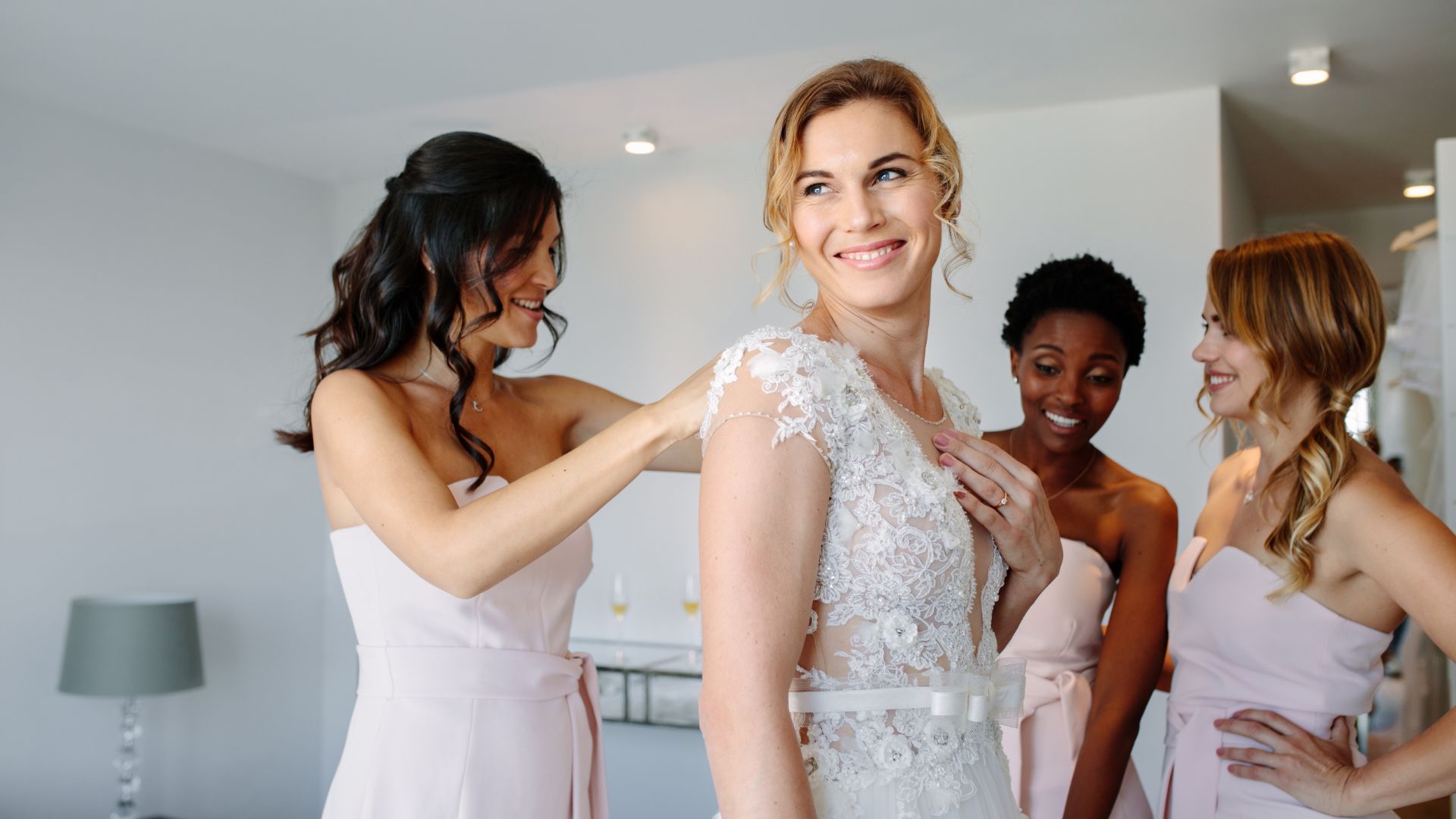
Finding the perfect dress can feel like a magical experience that transforms not only how you look but also how you feel. The right dress has the power to boost confidence, elevate your mood, and make any occasion truly special, whether it’s a casual outing, a formal event, or anything in between. However, the process of searching for that perfect dress can sometimes feel daunting and overwhelming, with so many styles, colors, and fits to choose from. That’s why having the right guidance can make all the difference. This guide offers 22 pro tips to simplify the process, ensuring that you can find dresses that complement your body type, suit the occasion, and fit seamlessly into your budget.
1. Know Your Body Shape
Understanding your body shape is a crucial first step in finding a dress that enhances your natural features and makes you feel confident and beautiful. Body shapes can typically be categorized into five major types: hourglass, pear, apple, rectangle, and inverted triangle. Once you determine your unique shape, selecting a dress becomes a tailored experience rather than a guessing game.
Hourglass Shape
The hourglass figure is characterized by a well-defined waist and balanced proportions between the bust and hips. If you have this body shape, look for dresses that accentuate your waist to emphasize your natural curves. Wrap dresses and fit-and-flare styles work wonders, as they hug your contours in all the right places without overwhelming your silhouette. Bodycon dresses are another excellent choice, as they highlight your balanced proportions while celebrating your curves. Pieces with belts or ruching at the waist can further define your figure, adding that extra touch.
Pear Shape
The pear-shaped body is defined by hips that are broader than the shoulders and bust. For this shape, aim to balance your proportions by choosing dresses that draw attention to your upper body while softly skimming over your hips. A-line dresses are a timeless and versatile option because they flare out gently, avoiding any clinginess around the hips. Dresses with embellished necklines, off-the-shoulder styles, or bold patterns on the bodice can attract focus upward, creating a harmonious overall look. Empire-waist dresses, which have a fitted bodice and flowy skirt, are another great option for elongating your frame and celebrating your shape.
Apple Shape
People with an apple-shaped body typically carry more weight around the midsection, with slimmer legs and arms. If this is your shape, opt for dresses that provide structure and draw attention away from the waist. Empire-waist dresses work beautifully here, as they flow outward from beneath the bust and skim over the stomach area. A-line dresses with soft fabrics that don`t cling to your midsection are also ideal. Additionally, V-necklines or wrap dresses can create the illusion of a longer, more defined torso. Avoid dresses that have excessive detailing or cinching around the waist, as these can draw unwanted attention to the midsection.
Rectangle Shape
The rectangle-shaped body features a more straight-up-and-down silhouette, with similar proportions for the bust, waist, and hips. For this body type, the goal is to create the illusion of curves while maintaining balance. Dresses with detailing at the waist, such as belted styles or dresses with ruching, can define your midsection. Fit-and-flare dresses with full skirts add volume to the lower half, creating the appearance of an hourglass figure. Another fantastic choice for rectangles are dresses with asymmetrical draping, peplum details, or contrasting textures that add visual interest and dimension to your look.
Inverted Triangle Shape
The inverted triangle body shape is characterized by broader shoulders and a narrower lower body. Balancing the upper body with the hips is key for this shape. Look for dresses that add volume to your lower half, such as A-line or tiered dresses, which create balance by emphasizing the hips. Halter necks or V-necklines can help to soften the broadness of the shoulders while elongating the upper body. Additionally, dresses with minimal embellishment around the shoulders and small details like side slits or pockets in the skirt can make the overall silhouette more proportionate.
2. Identify the Occasion
After understanding your body shape, the next essential factor is identifying the occasion for which you need the dress. The type of event plays a significant role in determining the appropriate style, material, length, and level of embellishment for your outfit. Whether it’s a casual outing, a formal event, or something in between, dressing suitably for the occasion ensures both comfort and style.
Casual Day Out
For a relaxed, casual outing such as a weekend brunch, a day at the park, or a shopping trip, comfort is key. Sundresses, shirt dresses, or simple maxi dresses in breathable fabrics like cotton or linen make excellent choices. These styles allow for ease of movement and provide a laid-back, effortless vibe. Dresses with playful patterns, floral prints, or pastel colors can add a touch of whimsy to your look, while solid colors can keep it minimal yet chic. Pair these outfits with sneakers, sandals, or flats for a comfortable yet stylish ensemble.
Work or Business Events
When dressing for work or professional events, it’s important to strike the right balance between style and professionalism. A midi dress or a tailored sheath dress in neutral or muted tones works well for an office setting. Opt for structured fabrics like crepe or ponte, and consider adding a blazer for an extra layer of polish. Avoid dresses that are too short or overly revealing, as they may not align with a professional dress code. Subtle patterns, like pinstripes or houndstooth, can be a sophisticated way to incorporate personality into your outfit.
Cocktail Party
Cocktail parties call for semi-formal dresses that exude elegance while maintaining a fun and festive vibe. A classic little black dress is always a trusted choice, but don’t shy away from bold colors or metallics if you want to make a statement. Look for knee-length or midi-length dresses with stylish details like sequins, lace, or an interesting neckline. Bodycon or fit-and-flare styles are popular for such occasions. Pair your dress with heels or dressy flats and add accessories that complement your outfit, such as bold earrings or a clutch.
Formal Events or Galas
Formal events, such as weddings, black-tie galas, or award ceremonies, often require floor-length gowns or elegant evening wear. Dresses made from luxurious fabrics like silk, chiffon, or velvet with intricate detailing, such as sequins, beading, or embroidery, are perfect for these occasions. Pay attention to the dress code, as some events may specify "black tie", "white tie", or other attire requirements. For a timeless look, opt for classic silhouettes like ball gowns, mermaid styles, or A-line dresses. Sophisticated heels and understated jewelry can complete the ensemble without overpowering the look.
Seasonal or Themed Events
Finally, if the event has a specific theme or is tied to a season, choose a dress that reflects it appropriately. For instance, light floral dresses are ideal for a spring garden party, whereas velvet dresses in rich hues like burgundy or emerald add warmth and charm to a winter event. If the occasion specifies a theme, consider it an opportunity to experiment with fun styles that capture the spirit of the event while still staying true to your personal preferences.
By considering your body shape and the specific occasion, you can narrow down your options and shop with purpose, making the process of finding the perfect dress a smooth and enjoyable experience.
3. Fabric Matters a Lot
The fabric of a dress plays a pivotal role in determining not only how it looks but also how it feels when worn. The right fabric can enhance the elegance, charm, and comfort of a dress, making it suitable for a variety of settings and events. When aiming for a soft, romantic appearance, flowy fabrics like chiffon are an excellent choice. Chiffon is lightweight and airy, with a slightly sheer quality that adds an ethereal touch to any dress. It drapes beautifully and creates a graceful movement, making it ideal for weddings, garden parties, or any event where elegance is desired.
If you prefer a more structured silhouette, fabrics like cotton twill or satin may be your best bet. Cotton twill is known for its durability and closely woven texture, helping garments maintain their original shape while still being breathable. This makes it perfect for dresses with sharp lines or more tailored designs. Similarly, satin, with its smooth and glossy finish, adds an element of sophistication and is often favored for evening events and formal occasions. Its sheen reflects light beautifully, giving it a luxurious feel.
During summer, breathable materials such as linen and lightweight cotton take center stage. Linen is especially favored for warm weather due to its moisture-wicking properties and natural texture that gives off a laid-back yet polished vibe. Similarly, cotton is a versatile and universally loved fabric that prioritizes comfort without compromising on style. Dresses made from these fabrics are perfect for casual outings, daytime picnics, or seaside vacations, keeping you cool and stylish even on the hottest days.
Ultimately, the choice of fabric should reflect both the purpose of the dress and your personal comfort. Combining the right material with the ideal design ensures that you’ll not only look stunning but also feel at ease, no matter the occasion.
4. The Power of Color
The colors you choose for your dress can have a profound impact on the way others perceive you and even on how you feel about yourself. Color influences mood, highlights personality, and is often the first thing people notice about an outfit. Darker colors like navy, charcoal, and black are timeless classics, particularly popular for formal events. These shades are known for their slimming effect, creating a sleek and polished look, while emitting an air of sophistication and elegance. Black is synonymous with versatility, making it a staple for everything from cocktail dresses to evening gowns.
On the other hand, brighter colors and bold patterns are a fantastic way to express vibrancy and individuality. Shades like sunny yellows, fiery reds, bright blues, or cheerful pinks are ideal for making a statement at celebrations, parties, or casual get-togethers. These colors exude positivity and energy, often catching the attention of a crowd and giving the wearer an approachable and confident vibe. Similarly, playful patterns like florals, polka dots, or abstract designs introduce a level of creativity that turns a simple dress into a conversation starter.
Color psychology can also play a role in helping you convey a specific mood. For example, soft pastels like blush, lavender, or mint green are soothing to the eyes and emit a sense of calmness and romance. These shades work beautifully for daytime events or gatherings where a light and fresh look is desired. By contrast, rich jewel tones such as emerald, ruby, and sapphire add drama and intensity, making them perfect for evening affairs when you wish to make a regal impression.
Ultimately, the power of color allows you to communicate without words. Whether you’re aiming for understated elegance or wanting to shine bright in a room full of people, choosing the right hues ensures your dress reflects your mood and message perfectly. Combining thoughtful fabric selection with a strategic color palette will help you create a harmonious look that radiates style and confidence.
5. Don`t Forget the Season
When selecting a dress, it`s crucial to consider the season as it directly influences not only the practicality of your outfit but also its aesthetic relevance. Dressing for the weather ensures comfort, functionality, and style. For spring and summer, light and breezy fabrics like cotton, linen, and chiffon are the ideal choices. These materials are breathable and airy, allowing the skin to stay cool as temperatures rise. Additionally, bright and cheerful colors like pastels, yellows, pinks, and greens reflect the refreshing vibe of these warmer months and pair beautifully with seasonal floral or tropical patterns. During these times, shorter sleeve lengths, sleeveless designs, or off-the-shoulder styles are perfect for keeping cool while enjoying the sunlight.
Conversely, fall and winter call for a more mindful approach to both fabric and color. Opt for heavier materials such as wool, velvet, tweed, or cashmere that provide insulation and keep you warm during brisk temperatures. These fabrics are not only functional but also exude a timeless elegance suited for cooler months. The color palette shifts to deeper, richer tones like burgundy, forest green, navy blue, and charcoal gray to complement the earthy hues of autumn and the subdued ambiance of winter. Long-sleeved dresses, turtleneck styles, or layer-friendly options pair perfectly with scarves, tights, or jackets to add an extra layer of warmth while maintaining a sophisticated aesthetic.
Further, the length and overall layering of a dress play a vital role when considering the season. Maxi dresses or dresses with longer hemlines can offer coverage and protection from chilly breezes, particularly when paired with boots or leggings. Likewise, layering dresses with blazers, cardigans, or coats ensures comfort and the ability to adapt to varying temperatures throughout the day. Ultimately, dressing for the season is about balancing functionality with style to create an ensemble that feels appropriate and polished for the time of year.
6. The Importance of the Right Fit
Perhaps the most critical aspect of choosing a dress is ensuring it fits well. Regardless of how beautiful the fabric or stylish the design, a dress that does not fit properly can detract from your entire appearance. A well-fitting dress should enhance your natural shape and provide comfort and confidence without feeling restrictive or overly loose. It is essential to focus on how a dress flatters your silhouette and complements your proportions rather than getting caught up in the size on the tag.
A dress that is too tight can cause discomfort, restrict your movement, and create an unflattering look by emphasizing areas you may not want to highlight. On the other hand, a dress that is too loose can drown your figure, making you appear shapeless or less polished. The key lies in selecting a dress that hugs the body in just the right places. For example, a tailored fit around the waist can accentuate an hourglass figure, while an A-line skirt can provide balance for broader shoulders or narrower hips. When in doubt, consider seeking the help of a tailor to make small but impactful adjustments that ensure every seam is exactly where it should be.
Beyond comfort and appearance, the right fit also impacts posture and how the dress feels during wear. When a dress fits properly, you can move, sit, or dance with ease, giving you the freedom to enjoy whatever occasion you are attending without worrying about adjusting or fidgeting with your outfit. Remember that comfort and elegance go hand in hand, and a properly fitting dress will help you achieve this balance effortlessly. By prioritizing the fit, you can ensure your dress not only looks stunning but also feels like an extension of yourself, radiating poise and confidence.
7. How to Use Accessories
Accessories have the power to elevate and transform a dress, allowing you to create different looks with the same outfit. For instance, a statement necklace can instantly add a touch of sophistication and dress up a simple sheath dress, making it suitable for more formal occasions. Large, bold necklaces draw attention to the neckline and serve as a focal point of your outfit, while delicate jewelry can add subtle elegance.
Belts are another versatile accessory, especially when paired with flowy dresses. A well-chosen belt can cinch the waist, defining your silhouette and giving your ensemble a more structured appearance. Wide belts create a dramatic effect, while slim belts bring understated refinement.
Shoes and bags also play a crucial role in setting the tone of your look. A pair of sleek heels and an elegant clutch can shift a casual dress into a formal, evening-appropriate outfit. On the other hand, pairing the same dress with sneakers and a crossbody bag gives it a laid-back, casual vibe perfect for daytime outings. With the right accessories, you can adapt a single dress for nearly any occasion, all while expressing your unique personal style.
For those looking to invest in stylish party wear or elegant evening gowns, exploring options from a dedicated retailer like Meshki, known for its contemporary designs and bodycon styles, can be beneficial. To obtain a reduction on their curated collection, utilizing Meshki Coupon Codes during checkout is a practical approach for savvy shoppers.
8. Understanding Necklines
Necklines play an influential role in framing the face and enhancing the upper body, making them a key consideration when selecting a dress. Each type of neckline offers distinct aesthetic benefits and serves to highlight or downplay different features. For instance, V-necklines, with their tapered shape, are universally flattering as they draw the eye downward and elongate the torso, creating a more balanced and proportionate silhouette. This makes them an excellent choice for individuals seeking to enhance height or elongate their neck.
On the other hand, the boatneck neckline, which gently curves along the collarbone, emphasizes this area with elegance and grace. It is particularly effective for those who want to accentuate their shoulders or balance broader hips by creating visual harmony in the upper body. High-neck designs, like turtlenecks or mock neck styles, provide a more conservative and polished look, ideal for formal or professional occasions. These necklines also work well for individuals with longer necks or those wanting to shift attention to the neckline rather than the chest.
Sweetheart necklines, characterized by their soft curves resembling the top of a heart, offer romantic appeal and are often associated with feminine styles. They are particularly flattering for individuals looking to emphasize the bust or create a sense of softness and elegance. Meanwhile, square necklines evoke a touch of vintage charm and frame the collarbones and shoulders with a structured appeal, offering a balance of sophistication and modernity.
Halter necklines, which fasten at the neck and leave the shoulders bare, are an excellent choice for summer attire, as they highlight toned shoulders and arms while offering a unique and chic style. Off-the-shoulder necklines are another standout option, exuding sultry charm while beautifully accentuating the collarbones and shoulders, making them perfect for both formal settings and laid-back outings.
When selecting a neckline, it is essential to consider not only the design’s visual impact but also how it complements the wearer’s body proportions and personal style preferences. Choosing a neckline that aligns with these factors ensures a cohesive and flattering look.
9. The Magic of the Right Length
The length of a dress significantly influences its overall formalness and how it is perceived in various settings. Understanding how different hemlines can affect a dress’s versatility and style helps wearers confidently select the appropriate length for any occasion. Mini dresses, for example, are known for their playful and youthful appeal, often ending above the knee. They work exceptionally well for casual settings, parties, or more informal gatherings. The shorter length allows for greater ease of movement and creates a fresh, modern vibe that is perfect for daytime wear or social events with a lively atmosphere.
Mid-length dresses, which fall between the knee and the mid-calf, offer unparalleled versatility and have been embraced for their ability to transition effortlessly between casual and formal settings. Classic knee-length dresses exude sophistication and can be paired with heels or flats, making them an ideal choice for office wear, lunch dates, or weddings. Meanwhile, midi dresses, which extend further below the knee, combine contemporary aesthetics with timeless elegance. The added length provides a more demure appearance while maintaining the option to be dressed up or down with the choice of accessories and footwear. Midi dresses are especially favored for their flattering effect on a range of body shapes, offering balance and proportion in a stylish package.
Maxi dresses, with their floor-grazing hemlines, are synonymous with elegance and versatility. These dresses can be seamlessly styled for both casual and formal events depending on the fabric, cut, and accessories. Flowing maxi dresses in lightweight materials are perfect for summer outings, garden parties, or beach weddings, offering comfort and sophistication in equal measure. Conversely, structured maxi gowns in luxurious fabrics, such as silk or satin, can be worn for black-tie events, galas, or evening celebrations, exuding glamour and refinement.
The choice of hemline should be guided by the nature of the occasion, personal comfort, and individual body proportions. For shorter frames, mid-length dresses or mini dresses might provide a lengthening effect, while taller individuals can carry off the dramatic flair of maxi dresses with ease. Choosing the right hemline can elevate a dress from merely functional to an exquisite expression of style and personality, ensuring confidence and poise in any setting.
10. Try Before You Buy
Whenever possible, it is highly recommended to try the dress on before making a purchase. Sizes can vary significantly between brands, with one label`s "medium" fitting very differently compared to another`s. Trying on the dress allows you to not only assess the fit but also to see how it complements your body shape and size. It provides an opportunity to examine the garment`s cut, tailoring, and specific design details up close, which an online image or a mannequin display might not fully convey. Additionally, wearing the dress allows you to feel the texture of the fabric and test how comfortable it is against your skin. Is it soft or scratchy? Does it breathe well or feel restrictive?
When trying on a dress, be sure to move around to check for ease of movement. Walk, sit, bend over, and raise your arms to ensure that the dress remains comfortable in all scenarios. It is crucial to know that the dress not only looks good on you but also performs well for the intended occasion. A dress that feels too tight or requires constant adjusting can frustrate you throughout an event, no matter how beautiful it appears in the mirror. Pay attention to areas like the shoulders, waistline, and hemlines to confirm they align with your body type. For instance, ensure that straps are secure and don`t slip, that the waist sits at the correct spot, and the hemline is where you want it, based on your comfort preference.
If the store allows it, try the dress under different lighting conditions to see how the fabric looks in various settings. Some fabrics may appear different under artificial light compared to natural sunlight. Also, consider whether the dress complements accessories or footwear you may already own. Sometimes, trying potential options with your shoes or jewelry in the fitting room can help you decide if the dress integrates well into your wardrobe or if additional purchases will be required.
11. Read Reviews Online
When shopping online or even considering a brand that you are unfamiliar with, customer reviews can be invaluable. Genuine reviews from other buyers often include real-life photos and provide detailed feedback on the dress`s fit, fabric, and overall quality, which can guide you toward making an informed decision. Before purchasing, read both the positive and negative reviews to understand the common praises or concerns associated with the dress. What fabric people describe it as having—soft, stretchy, or rigid—and how it holds up after wearing or washing are things often noted.
Pay close attention to reviews that mention sizing. If many people suggest sizing up or down, you’ll have a better sense of whether the dress conforms to standard measurements. For instance, a reviewer might comment, "The dress runs small, so ordering a size up is recommended," or, "The material is forgiving, and the sizing is true to standard fit." Additionally, users frequently mention the color of the dress compared to what is represented in online pictures. Sometimes colors can appear more vibrant or muted on-screen, and real-life photos help give you a more accurate idea of what to expect.
Online reviews can also reveal details about the construction and durability of the garment. Customers often share insights about loose stitching, weak zippers, or seams that don’t lay flat—issues that might not be obvious from a promotional photo. Similarly, some reviewers may highlight positives, like excellent craftsmanship or surprisingly high-quality materials for the price point—these can validate your decision.
Finally, weigh the ratio of positive to negative reviews and keep in mind the context of any complaints. Issues like delayed shipping, which isn’t directly related to the dress itself, should not overly influence your decision. Focus instead on the described experience with the product itself. Ultimately, taking the time to read reviews can prevent the disappointment of receiving a dress that doesn’t meet your expectations, saving you the hassle of returns.
12. Set a Realistic Budget
Before embarking on the search for the perfect dress, it is crucial to determine a realistic budget. Dresses are available at a wide range of price points, from highly affordable options to luxurious high-end designs. By setting a budget in advance, you can streamline your shopping experience and eliminate the temptation to overspend. A clear budget can also help you focus on value and quality, ensuring that you make a choice that offers lasting satisfaction.
Keep in mind that a higher price does not always guarantee a better dress—it is often possible to find stylish, flattering pieces within mid-range or even bargain price points. Additionally, having a budget encourages thoughtful decision-making, compelling you to prioritize factors like fabric quality, fit, and design over impulse buying. Taking the time to list your priorities in terms of essential features, such as durability or versatility, can further refine your options while staying within your financial limits.
13. Invest in Timeless Pieces
While it can be tempting to chase the latest trends, incorporating timeless, classic dresses into your wardrobe is a savvy investment. Timeless pieces are known for their enduring style, adaptability across various occasions, and immunity to the constant ebb and flow of fashion trends. The versatile “little black dress” (LBD), for instance, is an undeniable wardrobe staple that suits everything from casual evenings to formal events merely with the right choice of accessories.
Similarly, an elegant sheath dress provides a sleek, polished look suitable for business meetings or celebratory dinners alike. A well-tailored maxi dress, whether in a neutral color or subtle pattern, is another timeless addition that radiates grace while being suitable for both relaxed and semi-formal settings. Investing in such classic designs not only ensures that they will stand the test of time but also minimizes frequent shopping by providing reliable wardrobe choices for years. These staples complement a variety of accessories and outfits, making them a worthwhile purchase when planning a smarter, more sustainable wardrobe.
14. Where to Find Discounts
Shopping for dresses does not have to come with a hefty price tag if you know where to look for discounts. Many online retailers frequently offer seasonal sales, clearance events, and promotional discounts to attract customers. However, digging through these numerous sales can be overwhelming. Websites like CouponGot simplify the process by aggregating a variety of offers from different online stores, allowing shoppers to access promo codes and special deals in one convenient location.
Beyond coupon websites, consider signing up for newsletters from your favorite fashion brands, as many send exclusive discounts or early sale alerts to their subscribers. Pairing these offers with free shipping promotions can lead to significant savings. Additionally, shopping during major retail events such as Black Friday or end-of-season sales is another excellent way to snag high-quality dresses at reduced prices.
For thrifty shoppers, don’t overlook second-hand marketplaces, thrift stores, or consignment shops, as they often carry pre-loved designer or branded dresses in excellent condition. With a bit of effort and strategic planning, finding a stunning dress at a price that suits your budget becomes an achievable goal.
15. Consider Alterations
Sometimes, the perfect dress isn’t perfect right off the rack. Even the most striking or well-designed pieces might need a bit of tailoring to achieve a flawless fit. Simple yet impactful alterations, such as hemming to adjust the length, taking in the sides to better hug your shape, or even adjusting straps for proper support, can transform a ready-made dress into one that feels custom-crafted just for you. Alterations can also be a way to revive dresses that almost fit but need small tweaks to suit your body perfectly.
When planning to alter a dress, it`s important to first evaluate the fabric and construction to ensure it can be tailored effectively. Lightweight and flexible fabrics like cotton or jersey are often easier to alter, while intricate designs or heavily embellished dresses might require more skill and care. Consulting a professional tailor is often the best choice to ensure alterations are done flawlessly without compromising the integrity of the garment.
Additionally, consider the cost and time required for alterations. While minor adjustments like replacing buttons or shortening straps are often inexpensive and quickly done, more complex changes, such as resizing or redesigning specific areas, can be costlier and take more time. Always factor this into your overall budget when purchasing a dress. By investing in thoughtful alterations, you can ensure your dress fits your unique proportions perfectly, complementing your body and style in every way possible.
16. Dress for Your Personal Style
A dress isn’t just clothing; it’s a reflection of who you are. Dressing according to your personal style ensures that your choices resonate with your personality and make you feel confident every time you wear them. Whether your aesthetic leans toward boho, classic, edgy, or romantic, the key is choosing dresses that align with your preferences, empowering you to feel both comfortable and authentic.
For example, a boho-inspired style might feature flowing fabrics, lace details, and earthy tones, offering a free-spirited and relaxed vibe. Classic lovers might gravitate toward timeless silhouettes, neutral colors, and clean lines, embodying elegance and simplicity. For those who love an edgy aesthetic, bold prints, structured designs, and unconventional cuts can make a powerful statement. Meanwhile, individuals with a romantic style might favor delicate fabrics, pastel hues, and intricate embellishments, exuding femininity and charm.
The process of defining your personal style also involves understanding your lifestyle and preferences. A working professional might seek structured and versatile dresses that transition well from the office to evening events. On the other hand, someone with an active social life might look for fun, vibrant options suitable for casual outings or lively parties. By identifying your own needs and tastes, you can build a wardrobe of dresses that not only look stunning but also feel inherently "you."
Ultimately, dressing for your personal style adds a sense of connection between yourself and your wardrobe, ensuring the dresses you choose are worn confidently and loved wholeheartedly. It transforms a simple garment into a defining element of your individuality.
17. Pay Attention to Details
When selecting a dress, paying close attention to the details is crucial, as these seemingly minor features can significantly elevate the overall quality and aesthetic appeal of the garment. High-quality stitching is one of the key indicators of a well-made dress. Check for even, secure, and straight seams to ensure durability and a polished appearance. Loose threads or poorly finished edges may indicate subpar craftsmanship and could result in the dress wearing out prematurely. Fabric linings are another essential detail to examine. A lined dress not only enhances comfort but also improves the structure of the garment, ensuring it retains its intended shape when worn. Linings can also help prevent the fabric from becoming see-through, maintaining a sophisticated and finished look.
Furthermore, functional features such as zippers, hooks, and buttons should be tested for their sturdiness and ease of use. A smooth-operating zipper or securely attached buttons are small considerations that can make a big difference in the ease and longevity of wearing a dress. Beyond functionality, design-oriented details like unique stitching patterns, decorative buttons, or intricate embroidery add a defining touch that sets a dress apart from others. Look for elements that resonate with your style, whether it’s a ruffled hemline, an asymmetrical neckline, or a bold pattern. Pockets, often overlooked in terms of importance, are both practical and stylish, offering convenience without detracting from the dress’s silhouette. These thoughtful inclusions enhance the dress’s wearability while showcasing attention to detail from the designer. Every small aspect of a dress contributes to its overall value and appeal, allowing you to feel confident and assured in your purchase.
18. The Role of Undergarments
Choosing the right undergarments is a fundamental step in achieving a flawless look when wearing a dress. The proper undergarments not only provide needed support but also play a significant role in enhancing the dress`s fit and overall appearance. A well-fitting bra, for instance, ensures that the bust is properly supported, creating a smooth and flattering shape. Ill-fitted or worn-out bras can disrupt the silhouette of a dress and lead to visible lumps, gaps, or sagging. Similarly, seamless underwear or shapewear can prevent visible panty lines, helping to create a sleek and uninterrupted finish. Shapewear can also smooth out any uneven areas, contributing to a more streamlined and polished look.
It’s crucial to try on the dress with the intended undergarments beforehand, especially if the dress has unique features such as a plunging neckline, open back, or thin, clingy fabric. Special undergarments like adhesive cups, low-back bras, or slip shorts might be required to maintain both comfort and aesthetic appeal in such cases. The fabric and design of the dress should dictate the choice of undergarments. For instance, a lightweight or body-hugging dress would benefit from nude-colored, seamless bras and underwear to remain undetectable beneath the fabric. Conversely, heavier dresses or those with extensive layers may offer a little more flexibility in undergarment choices.
Beyond functionality, undergarments can also enhance your confidence while wearing the dress. A cohesive combination of support, comfort, and discretion allows you to move freely without worrying about adjusting your outfit. Taking the time to address this often-overlooked aspect of styling ensures the dress complements your figure perfectly, helping you feel poised and elegant on any occasion.
19. Care Instructions
Before purchasing a dress, it is crucial to consider the care instructions outlined on the label. Often overlooked, the care label provides essential information on how to properly clean and maintain the fabric to ensure longevity and preserve its original appearance. Certain fabrics, such as silk, wool, or intricate lace, require specialized cleaning methods like dry cleaning. While such fabrics exude elegance and charm, the added cost and effort of professional cleaning should be a factor in your purchasing decision. Dry cleaning over time can become a significant financial investment, and understanding this beforehand prevents unexpected surprises.
For those seeking practicality and convenience, dresses made from easy-care fabrics such as cotton, polyester, or blends are typically machine washable and far more cost-effective for everyday wear. Machine-washable garments eliminate the time and expense of visiting a dry cleaner and are ideal for managing a busy lifestyle. Fabrics like jersey or spandex not only offer ease of cleaning but also boast durability, making them an excellent choice for long-term use.
Additionally, it’s worth paying attention to other specifics provided on the care label, such as washing temperature, the need for gentle cycles, and whether the fabric can be tumble-dried. Harsh washing conditions or improper drying techniques can weaken fibers, cause shrinkage, or fade colors prematurely. For delicate garments, handwashing may be advised to maintain their delicate structure.
Taking the time to consider these care requirements not only helps you make informed purchasing decisions but also prolongs the lifespan of your cherished dresses. A little extra care at the start will save you considerable effort and heartache in the future, allowing you to enjoy your outfit in its best condition for years to come.
20. Confidence is Key
Above all else, the most vital accessory to pair with any dress is confidence. Regardless of how stunning or well-tailored a dress may be, the way it makes the wearer feel defines how it is perceived by others. Confidence has an unparalleled ability to elevate an outfit, turning it into a statement of individuality and self-expression.
When you slip into a dress that feels right – whether it be a glamorous evening gown, a flirty summer dress, or a sleek professional outfit – it should instantly uplift your mood and enhance your posture. If a dress aligns with your personal style and highlights your best features, that positivity and self-assurance will naturally shine through.
Building confidence in your outfit starts with fit and comfort. A dress that feels restrictive or requires constant adjustments can undermine your sense of ease, which in turn affects your demeanor. Prioritize choosing a dress that not only flatters your figure but also provides the flexibility to move naturally. When you feel your best, it becomes easier to exude poise and charisma.
Confidence isn’t about fitting into conventional beauty standards; it’s about owning your individual beauty and celebrating it unapologetically. The right dress is simply a tool that amplifies your inner glow. Pair it with accessories or styling choices that resonate with your personality, and trust in your own sense of style. Remember, confidence is not about perfection – it’s about authenticity and the willingness to carry yourself with pride.
Ultimately, no amount of fashion trends or designer labels can replace the undeniable power of confidence. Wear your dress with pride, smile radiantly, and hold your head high. That self-assured aura becomes the ultimate finishing touch to any outfit, ensuring you not only look beautiful but also feel unstoppable. Confidence, after all, is the most timeless and impactful accessory one can wear.
21. Return Policy Awareness
When shopping for a dress, particularly through online platforms, it is crucial to familiarize yourself with the store’s return and exchange policy. Shopping online offers convenience and a broader selection, but it also comes with the challenge of not being able to try on the dress before purchasing. This is why understanding the retailer`s return terms becomes an important aspect of your buying process. Carefully read the fine print to ensure you are aware of any terms, conditions, or restrictions regarding returns.
Look out for key details such as the time frame allowed for returns or exchanges, whether the store approves full refunds or only offers store credit, and if there are any restocking fees involved. Some stores might require the item to be returned unworn with the original tags attached, so compliance with these rules is essential to avoid complications. For online orders, also examine whether you are responsible for covering return shipping fees, or if the retailer provides free return services or prepaid labels.
Be diligent in checking if the dress category or sale type impacts your return eligibility. For instance, final sale items or customized dresses may not be returnable under any circumstances. Similarly, confirm whether international shipping complicates the return or exchange process, as this could lead to delays or additional costs. Preparing for such scenarios through prior awareness protects you from disappointment or unnecessary financial loss should the dress not meet your expectations.
Alongside these considerations, look for customer reviews or testimonials sharing experiences with a store`s return process. Feedback about smooth and hassle-free returns can provide peace of mind and build trust with the retailer. On the other hand, hidden conditions or poor return service might be red flags signaling you to exercise caution. Ultimately, being educated on the return policy will give you added confidence in making your purchase, as it ensures you have a plan in case the product doesn’t align with your needs.
22. Trust Your Instincts
Choosing the perfect dress isn’t always about analyzing every single detail — sometimes, it comes down to trusting your own instincts. When you encounter a dress that feels effortlessly right, it often signals that this is the one. Doubts, hesitation, or second-guessing about a particular dress can be a strong indicator that it doesn`t fully align with your preferences or comfort.
Your instincts should guide you in assessing whether a dress matches your personality, style, and the occasion it is intended for. If you feel confident, excited, and immediately drawn to how you look and feel in the dress, it’s usually a sign that you’ve found the right match. On the flip side, if you find yourself trying to convince yourself that a piece is suitable, or if lingering doubts persist even after multiple fittings or reviews, it’s best to move on and continue the search.
It can be easy to get swayed by trendy designs, external opinions from friends or family, or promotional sales. While feedback and trends can offer helpful insights, remember that the ultimate decision lies with you and how a dress resonates with your personal style. Trusting your instincts ensures that your choice reflects your authentic self, rather than settling for a dress that doesn’t fully meet your expectations merely because of external influences.
Additionally, try not to overcomplicate the decision-making process. When you connect emotionally with a dress, the choice often feels effortless and natural. This certainty eliminates second-guessing and leaves you with a confident sense of satisfaction. The perfect dress should not only look outstanding on the outside but should also evoke an inner feeling of elegance, poise, and genuine happiness. By leaning into your instincts, you are more likely to make a choice that you will cherish and feel proud of every time you wear it.
Frequently Asked Questions
How do I determine my body shape?
To find your body shape, start by measuring four key areas of your body: shoulders, bust, waist, and hips. Use a tape measure to ensure accuracy and note down these measurements. Next, compare your numbers to standard body shape guides available online or in fashion resources. Your body shape is typically defined by which areas are widest and narrowest. For example, if your hips are significantly wider than your shoulders and bust, you may have a pear-shaped body. Identifying your body shape can help you make more informed and flattering style choices.
What type of dress is most flattering for a pear shape?
A-line dresses are a universally flattering option for those with a pear-shaped body. These dresses emphasize the waist and gently flow away from the hips, creating a well-balanced and elegant silhouette. Wrap dresses are another excellent choice, as they can accentuate the upper body and define the waistline beautifully. Additionally, fit-and-flare styles work wonders by highlighting your curves while maintaining a proper proportion. Choosing dresses with embellishments or prints on the upper half can also draw attention upwards, balancing the overall look.
Where can I find affordable formal dresses?
Affordable formal dresses are widely available through a variety of channels. Many high-street brands and retailers offer formalwear collections at budget-friendly prices. Renting a dress for a one-time occasion has become increasingly popular and cost-effective, especially through specialized dress rental platforms. Online marketplaces often feature a range of styles at discounted prices, and shopping during end-of-season sales can lead to significant savings. By exploring these options, you can find the perfect formal dress without overspending.
How can I make a dress look more formal?
Transforming a simple dress into a formal outfit is all about accessorizing thoughtfully. Add elegance with statement jewelry, such as a necklace, earrings, or bracelet that complements the dress. Pair the look with a sleek clutch and high heels to enhance the overall sophistication. Outer layers like a tailored blazer or an elegant shawl can elevate the ensemble further, especially for evening events. Paying attention to these details ensures the dress appears polished and occasion-appropriate.
What is the most versatile dress to own?
The little black dress (LBD) is hailed as the most versatile wardrobe essential. This timeless piece can adapt seamlessly to a variety of occasions, transformations easily achieved with different styling. Pair it with a blazer and flats for a professional daytime look, or accessorize with bold jewelry, a chic clutch, and heels for an evening event. Its adaptability makes the LBD an invaluable addition to any wardrobe, serving as a reliable go-to for countless settings.