22 Essential Motorcycle Accessories Every Rider Needs
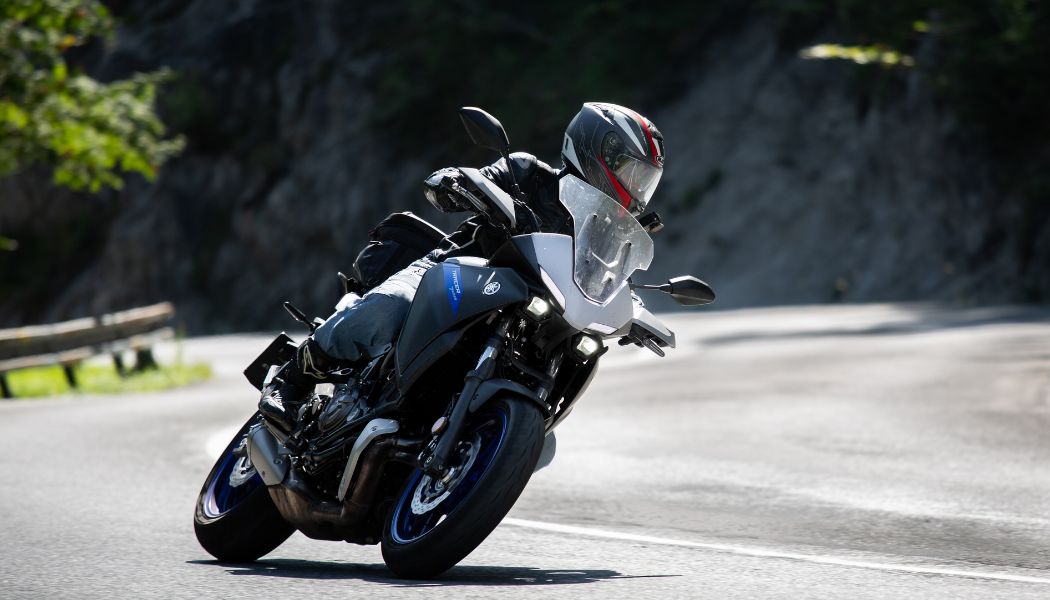
Riding a motorcycle offers a unique sense of freedom and adventure. To make the most of every ride, having the right accessories is crucial. These essentials not only ensure safety but also enhance comfort and convenience. Here are 22 must-have motorcycle accessories for every rider.
1. Helmet
The helmet is undoubtedly the most important piece of safety gear for every motorcyclist. Designed to protect your head in the event of an accident, a good-quality helmet significantly reduces the severity of head injuries, which are among the leading causes of fatalities in motorcycle accidents. Helmets are constructed using durable materials such as polycarbonate, fiberglass, or carbon fiber, offering high impact resistance and shock absorption.
Modern helmets come with various features like ventilation systems to keep you cool on long rides, anti-fog visors to ensure clear visibility in all weather conditions, and even built-in Bluetooth systems for hands-free communication. It’s essential to choose a helmet that meets safety certifications like DOT (Department of Transportation), ECE (Economic Commission for Europe), or Snell standards, ensuring it has been rigorously tested for protection.
Additionally, helmets come in different styles—full-face, modular, open-face, and half helmets—each catering to different riding styles and levels of protection. Riders should ensure a proper fit to maximize comfort and safety, as a poorly fitting helmet can compromise its effectiveness.
2. Riding Gloves
Riding gloves are more than just a fashion accessory; they are an essential tool for both safety and performance. They provide a secure grip on the handlebars, even in adverse weather conditions such as rain or intense heat where palms might become slippery. Made from materials like leather, textile, or reinforced synthetic fibers, riding gloves are designed to protect your hands from abrasions, bruises, and severe injuries in the event of a fall or accident. Modern gloves often feature advanced protective elements like carbon-fiber knuckle guards, palm sliders, and extra padding in critical areas to absorb impact forces.
Additionally, they act as a barrier against wind chill, prolonged sun exposure, and moisture, helping riders maintain control while preventing discomfort. Many gloves also incorporate touchscreen-compatible fingertips, allowing riders to operate GPS systems or smartphones without needing to remove their gloves. When choosing riding gloves, it’s important to pick a pair that fits snugly and provides ample wrist coverage, as loose or improperly sized gloves can reduce their effectiveness and control on the bike.
3. Riding Jacket
A riding jacket is more than just an iconic piece of motorcycle gear—it’s a critical piece of safety and comfort equipment that offers multi-faceted protection. High-quality jackets, typically made of leather or durable textile materials like Cordura or Kevlar, safeguard the rider from environmental elements such as wind, rain, and cold temperatures. Beyond shielding against the weather, a good riding jacket provides essential abrasion resistance during a crash, protecting the skin from severe injuries like road rash. Many jackets are equipped with built-in armored padding in key areas such as the shoulders, elbows, and back, offering impact protection against injury.
Some jackets even come with removable liners to provide versatility for different seasons, while ventilation panels or perforations improve airflow for warmer climates. Reflective strips or inserts on many jackets enhance visibility, which is vital for safety during nighttime or low-light conditions. Additionally, riding jackets often come with functional features such as multiple pockets for storage, and adjustable straps for a snug, personalized fit. Ensuring that the jacket fits correctly is crucial, as a poorly fitted jacket may shift during a crash, reducing the effectiveness of its protective features. A riding jacket not only provides safety but also adds an undeniable element of style, making it a must-have accessory for every rider.
4. Riding Pants
Specialized riding pants are an indispensable piece of gear for any motorcyclist. These pants are thoughtfully designed with protective features that safeguard the lower body during a crash. Unlike regular trousers or jeans, riding pants are constructed from abrasion-resistant materials such as Kevlar, Cordura, or reinforced leather. These materials are capable of withstanding high levels of friction, which is critical during a slide on asphalt or gravel.
Additionally, riding pants often come equipped with built-in padding or armor at key impact zones, such as the hips, knees, and occasionally the thighs. This padding is usually made from advanced impact-absorbing materials like CE-certified foam or D3O armor, which hardens upon impact to reduce the force exerted on the body. Designed for both comfort and safety, many riding pants have adjustable straps or stretch panels to ensure a snug yet flexible fit, allowing riders to move freely while staying protected.
Ventilation is another critical feature, with strategically placed mesh panels or zippers that help regulate body temperature during long rides in varying climates. Some riding pants are also waterproof, utilizing membranes like Gore-Tex to keep riders dry during unexpected rain without sacrificing breathability. Reflective detailing is commonly incorporated as well, enhancing visibility during low-light or nighttime rides and ensuring greater safety on the road. A perfect pair of riding pants not only complements the rest of the rider’s gear but also provides peace of mind, knowing you are fully prepared for any unforeseen accidents.
5. Motorcycle Boots
Motorcycle boots are more than just footwear—they are a vital component of a rider`s safety gear, designed to protect the feet, ankles, and lower legs while also enhancing control over the motorcycle`s foot controls. Sturdy construction is the hallmark of quality motorcycle boots, with durable materials like leather, microfiber, or reinforced synthetics providing resistance to abrasion and punctures. These materials ensure that the boots can withstand the harsh conditions a rider may encounter on the road or in an accident.
Boots designed for motorcycling typically feature reinforced toe boxes, ankle support, and rigid heel protection to guard against impact during a crash. Many high-end boots also include dedicated shin plates or sliders that offer additional protection to vulnerable areas, especially for those engaging in sport or off-road riding. The soles are usually oil-resistant and anti-slip, providing a better grip on the bike’s foot pegs and on uneven or slippery terrain.
Comfort and practicality are integral to motorcycle boots as well. Adjustable closures such as zippers, buckles, or Velcro straps ensure a secure and customized fit, while waterproof membranes keep the rider’s feet dry during adverse weather conditions. For hotter climates, some boots offer built-in ventilation or moisture-wicking liners to reduce perspiration and maintain comfort over long rides. Reflective panels or accents are included in many designs to enhance visibility, adding an extra layer of safety in low-light situations.
Motorcycle boots are purpose-built not only to withstand the rigors of riding but also to enable precise maneuvering of the bike’s gear and brake pedals. Whether riding on the open road or tackling challenging terrain, investing in quality motorcycle boots is essential for both performance and protection, ensuring the rider is prepared for any situation that may arise.
6. Rain Gear
Riding in wet weather can be uncomfortable and, at times, even hazardous without the right gear. Rain gear is a vital addition to any motorcyclist’s equipment, helping to keep the rider dry and comfortable during unexpected downpours. A high-quality waterproof jacket is designed to shield the upper body from rain and wind, often featuring adjustable cuffs, waterproof zippers, and breathable materials to ensure airflow while keeping moisture out. These jackets typically have reflective panels or piping to enhance visibility in low-light and rainy conditions, a critical feature for rider safety.
Equally important are waterproof pants, which prevent water from soaking through and help keep the lower body dry. Many rain pants are designed with elastic or adjustable waistbands and stirrups to keep them securely in place, even during long rides. Some models also feature reinforced panels in high-wear areas, such as the knees or seat, for added durability. Furthermore, having rain gear that can be easily packed into a compact storage bag means that riders can carry it conveniently and be prepared for sudden weather changes. Proper rain gear ensures that riders maintain their grip, focus, and comfort, even in challenging weather conditions, ultimately contributing to a safer and more enjoyable riding experience.
7. Earplugs
Long motorcycle rides often expose riders to prolonged noise from wind, traffic, and the engine. While these sounds may seem harmless at first, constant exposure can permanently damage hearing over time. Earplugs are a simple yet essential addition to any rider’s gear, offering protection from harmful noise levels without completely blocking out important sounds such as sirens or horns.
Modern earplugs designed specifically for motorcyclists are created with innovative materials and designs that filter noise rather than simply muffling it. This ensures that riders still hear critical environmental cues necessary for safe riding while significantly reducing the decibel levels of constant background noise. Some earplugs come with replaceable filters, allowing users to adjust the level of noise reduction based on their needs and preferences.
Comfort is another key consideration. High-quality earplugs are made from soft, hypoallergenic materials to prevent irritation during extended use. Many are designed to fit snugly in the ear canal with ergonomic shapes that stay securely in place, even under snug helmets. Reusable and washable models are also available, offering a more sustainable and cost-effective solution for long-term use.
By wearing earplugs, riders are not only protecting their hearing but also reducing fatigue caused by consistent exposure to loud noise, which can detract from concentration over time. This simple accessory ensures a safer, more comfortable ride, especially on long-distance journeys where noise exposure is at its peak.
8. Motorcycle Cover
A motorcycle cover is one of the most essential accessories for any rider who wants to keep their bike in pristine condition, regardless of the environment. Designed to shield bikes from various external elements, a high-quality motorcycle cover provides protection against dust, dirt, rain, snow, and harmful UV rays. Dust and dirt can easily accumulate on a parked motorcycle, marring its sleek appearance and potentially leading to scratches or residue buildup over time. Rain and moisture, on the other hand, can lead to rust and corrosion on metal parts if the bike is left exposed for an extended period. UV rays from the sun not only cause colors to fade, especially on painted surfaces and seats, but also degrade materials like leather and plastic over time.
A well-constructed motorcycle cover offers a waterproof and UV-resistant barrier that ensures your bike stays looking new for years. Made from durable materials like polyester or nylon with coated linings, modern covers are lightweight yet sturdy enough to withstand wind and debris. Additionally, many covers come with features like elastic hems or adjustable straps to ensure a snug fit, preventing the cover from slipping off even during strong winds. Some advanced models offer ventilation flaps to reduce condensation build-up underneath the cover, which can otherwise lead to moisture-related issues.
For riders who frequently park their motorcycles outdoors or in public areas, motorcycle covers also double as a theft deterrent. By covering up the bike, it remains out of sight and less tempting to potential thieves. Compact and lightweight when folded, a motorcycle cover is easy to carry on trips, ensuring protection is available anytime and anywhere. Riders can explore a variety of options from reputable retailers like FC-Moto, which provides covers that cater to a wide range of motorcycle types and sizes.
With FC-Moto’s range of high-quality motorcycle accessories—covering helmets, gloves, jackets, and beyond—you can ensure optimal protection and performance for both you and your bike. To make these durable accessories even more affordable, don’t forget to take advantage of FC-Moto Coupon Codes for discounts on top-notch products.
9. GPS Device
A motorcycle-specific GPS device is a game-changer for riders who frequently venture into unfamiliar areas or undertake long-distance journeys. Unlike standard smartphones which can easily run out of battery, overheat, or lose signal in remote regions, motorcycle GPS devices are built with robust design and advanced functionality tailored to the needs of riders. They feature rugged, weather-resistant construction to handle vibrations, varying temperatures, and rain, ensuring reliability even on the toughest roads.
These devices often come with large, glove-friendly touchscreens, making them easy to operate without needing to remove riding gloves. They provide precise, real-time navigation with features such as route planning optimized specifically for motorcycles. Functions like curvy road preferences allow riders to avoid major highways and instead enjoy scenic, winding routes that make riding all the more enjoyable. Some models even offer advanced functionalities like live traffic updates, avoiding delays caused by congestion, and alerts for upcoming sharp turns or speed cameras, improving safety throughout the ride.
Motorcycle GPS devices also eliminate the problems of mounting and visibility compared to smartphones. Equipped with anti-glare screens and mounting brackets designed to secure them firmly on handlebars, they ensure clear visibility and access even at high speeds or under direct sunlight. Battery life is another key advantage, with many GPS devices supporting extended usage through rechargeable or replaceable batteries, or direct connection to the bike’s power system.
Some of the most well-known brands in the motorcycle GPS realm include Garmin and TomTom, which offer premium devices with features like Bluetooth connectivity for seamless pairing with communication systems. This allows riders to hear directions directly through their helmets—a critical convenience for maintaining focus on the road. Investing in a specialized GPS device simplifies navigation, reduces the risk of getting lost, and enhances the overall riding experience.
10. Saddlebags
When it comes to carrying essentials on a motorcycle, saddlebags are the quintessential accessory for riders who enjoy touring or simply need additional storage space. Engineered for practicality and style, saddlebags integrate seamlessly with a motorcycle’s design while offering enough capacity to store essential items like tools, extra clothing, snacks, or even tech gear. Their strategic placement on either side of the bike ensures proper weight distribution, improving balance and stability, especially for longer journeys.
Available in a variety of shapes, sizes, and materials, saddlebags cater to a wide range of preferences and riding styles. Leather saddlebags, for instance, exude a classic, timeless aesthetic that pairs well with cruiser motorcycles, while hard-shell saddlebags made from materials such as ABS plastic or fiberglass offer enhanced durability and weatherproofing. Textile saddlebags provide a lightweight and flexible option, often featuring water-resistant coatings and reinforced stitching for reliability under different weather conditions.
Modern saddlebags come equipped with numerous features to make traveling more convenient. Many models include secure locking mechanisms to safeguard your belongings against theft and quick-release systems for easy removal when not in use. Additionally, reflective accents or panels are often incorporated to improve visibility during night rides. Some saddlebags also feature expandable compartments, allowing riders to quickly adjust storage capacity as needed for longer trips.
Aside from their functional benefits, saddlebags help to declutter the rider’s seating area by providing a designated space for gear, eliminating the risks associated with overloading backpacks or precariously attaching items directly to the bike. With the peace of mind that comes from knowing everything is organized and within reach, riders can fully immerse themselves in the joy of their adventures.
11. Tank Bag
A tank bag is an essential accessory for every motorcycle enthusiast, providing an easily accessible storage solution that attaches securely to the motorcycle`s fuel tank. These bags are typically designed with convenience and practicality in mind, allowing riders to keep their important belongings within reach without sacrificing comfort or safety. Modern tank bags are equipped with various compartments that cater to different needs, including designated areas for maps, wallets, phones, and other small essentials.
One of the standout features of tank bags is their versatility. Many models come with transparent touchscreen-compatible pockets, perfect for storing smartphones or GPS devices, enabling riders to quickly glance at navigation systems while on the move. Some larger options even offer expandable compartments, increasing their storage capacity for longer trips. Magnetic mounts, straps, or tank rings ensure that these bags remain securely attached during rides, even at high speeds or on uneven terrains.
The benefits extend beyond storage, as tank bags also help keep weight distribution on the motorcycle balanced, minimizing the impact on handling. For adventurous riders who often venture into unfamiliar territory, these bags can also incorporate rain covers, reflective elements, and sturdy zippers to withstand tough conditions. With a range of designs and sizes available, tank bags cater to every type of rider, making them indispensable for both daily commutes and extended touring plans.
12. Bluetooth Communication System
A Bluetooth communication system is revolutionizing the way riders interact while on the road, offering convenience, safety, and enhanced connectivity. These systems utilize wireless technology to help motorcyclists stay seamlessly connected to their riding group, listen to music, or access GPS navigation, all without the need for manual intervention.
Modern Bluetooth systems are designed to be embedded into helmets, ensuring hands-free functionality. These lightweight and aerodynamic devices integrate discreetly into the helmet’s structure, allowing riders to focus entirely on the road ahead. One of the most valuable features of such systems is the ability to maintain communication with fellow riders. Whether riding in a group or leading a tour, Bluetooth headsets allow for crystal-clear intercom functionality within a specified range, keeping riders in sync and improving group safety.
For solo riders, Bluetooth systems enhance the experience by enabling music streaming, audiobooks, or podcasts directly to the helmet speakers. The built-in noise-cancellation technology reduces wind and engine noise, ensuring uninterrupted audio clarity. Additionally, integration with smartphones lets riders receive or decline calls effortlessly, further minimizing distractions.
Some advanced Bluetooth models are equipped with voice-command features powered by artificial intelligence, allowing riders to control the system through simple spoken commands. They can also pair with multiple devices simultaneously, providing flexibility across smartphones, GPS systems, and even action cameras. With such technology, Bluetooth communication systems are perfect for transforming an ordinary ride into a connected, feature-rich experience.
13. Tire Pressure Monitor
Maintaining optimal tire pressure is one of the most crucial aspects of motorcycle safety and performance. A tire pressure monitor (TPM) is a game-changing device designed to provide real-time updates about the pressure levels in your tires, ensuring that they stay within the recommended range at all times.
When tires are underinflated, they can lead to reduced fuel efficiency, uneven tire wear, and compromised handling, particularly during cornering or braking. Overinflated tires, on the other hand, decrease the contact patch with the road, reducing grip and affecting ride comfort. A tire pressure monitor eliminates guesswork by offering an accurate and constant readout of pressure levels through either a handlebar-mounted display or a smartphone app.
Many modern TPMs are wireless, making installation straightforward and hassle-free. These systems consist of small sensors placed on the tire valve stems, which relay data to the rider in real time. Advanced tire pressure monitors go a step further by incorporating temperature sensors, providing additional insights to prevent overheating during extended rides.
Alerts and notifications are another convenient feature of TPMs. If there is a sudden loss of air—such as in the case of a puncture—the system immediately notifies the rider, offering a crucial early-warning mechanism that can prevent accidents. Riders embarking on long-distance tours or rough terrains especially benefit from TPMs, as these devices allow them to monitor changes in pressure even in remote areas.
Investing in a high-quality tire pressure monitor not only safeguards the longevity of your tires but also enhances safety, improves fuel efficiency, and provides peace of mind during every ride. Whether you`re commuting, touring, or racing, a TPM is an indispensable gadget for responsible and informed motorcycle maintenance.
14. First Aid Kit
A compact first aid kit is an essential item for any motorcyclist, ensuring you are prepared for unexpected emergencies while on the road. Whether you`re embarking on a short ride or a cross-country tour, accidents or minor injuries can occur at any moment, and having the right supplies can make all the difference. A good first aid kit should include items such as adhesive bandages, antiseptic wipes, gauze pads, adhesive tape, and over-the-counter pain relievers to help address cuts, scrapes, and bruises effectively. Additionally, including gloves, tweezers, scissors, and a pair of trauma shears will ensure you have the tools necessary to properly clean wounds or remove debris.
It is also vital to have materials that can handle more serious injuries, such as a pressure dressing or hemostatic dressing for managing bleeding, as well as an emergency blanket to prevent hypothermia in case of prolonged exposure to the elements. Furthermore, adding a small bottle of saline solution can help rinse wounds or flush out foreign objects. For those riding in remote areas, consider including items such as blister care pads and insect bite treatments, which are particularly useful for dealing with minor discomforts that could escalate during multi-day trips.
Ensuring your first aid kit is neatly packed and easily accessible is key to using it in high-pressure situations. Waterproof and durable storage containers are ideal for keeping supplies clean and protected from the elements. Riders should also regularly check the expiration dates on items and restock them after use or as needed. Familiarizing yourself with basic first aid techniques through online resources or a training course can significantly increase your ability to respond effectively in emergencies, further enhancing the value of your kit.
15. Multi-Tool Kit
A multi-tool kit is perhaps one of the most versatile and indispensable gadgets any motorcyclist can carry. This compact and portable toolkit can serve as a rider’s best friend when it comes to tackling on-the-spot repairs and adjustments, ensuring that minor mechanical issues do not prematurely derail a trip. Unlike carrying a full set of individual tools, a multi-tool kit combines multiple functions into a lightweight device, making it ideal for riders who prioritize efficiency and convenience.
A high-quality motorcycle multi-tool typically includes a collection of essential implements such as screwdrivers, hex keys, wrenches, and pliers—all of which can address common maintenance and adjustment needs. Whether it’s tightening loose bolts, adjusting levers, or addressing chain tension, a multi-tool keeps riders prepared for the unexpected. Some advanced multi-tools even feature tire repair functions, wire cutters, or socket wrenches, extending their utility further for longer trips or more complex challenges.
Equally important is the build quality and durability of the multi-tool. Investing in a stainless steel or similarly robust material ensures that the tool withstands prolonged use and exposure to harsh conditions. Ergonomic design features, such as rubberized grips or comfortable handles, make the tool easier to manipulate, even with gloves on or in inclement weather. Riders should also ensure their multi-tool is compact enough to fit in saddlebags or under-seat compartments, without adding unnecessary bulk or weight.
Carrying a multi-tool kit not only saves time by allowing you to perform quick fixes independently but can also minimize the risk of being stranded in a remote area. Consider pairing your multi-tool with other repair basics such as zip ties, duct tape, or spare fuses for an even more comprehensive emergency repair setup. Before heading out on any significant ride, it’s advisable to familiarize yourself with how to use the functions of your multi-tool and perform basic maintenance tasks to maximize your preparedness.
16. Portable Air Compressor
A portable air compressor is an essential tool for maintaining proper tire pressure during long rides, which is critical for both safety and performance. Tires that are not inflated to the correct pressure can negatively impact handling, fuel efficiency, and overall stability of the motorcycle. A portable air compressor allows riders to conveniently check and adjust their tire pressure on the go, ensuring optimal performance no matter how far from home they travel. Most portable air compressors designed for motorcycles are compact and lightweight, making them easy to store in saddlebags or under-seat compartments. Some models even feature digital displays for precise pressure readings, while others come with built-in LED lights for nighttime use.
Additionally, some portable air compressors are powered through the motorcycle`s battery or a standard 12-volt power outlet, making them incredibly convenient for road use. When choosing an air compressor, opt for one that is compatible with your bike`s tire valve system and has sufficient power to inflate the tires efficiently. Riders who frequently travel off-road or in varying conditions will especially appreciate the peace of mind that comes with having a portable air compressor on hand. To make your riding experience even more cost-effective, you can explore exciting deals and discounts on motorcycle gear, like portable air compressors, by visiting CouponGot.
17. Chain Cleaner and Lubricant
Proper chain maintenance is one of the most important aspects of ensuring a motorcycle`s longevity and performance. The chain is a critical component of the drivetrain system, transferring power from the engine to the rear wheel. Over time, dirt, grease, and debris can accumulate on the chain, causing wear and tear, and ultimately reducing its lifespan. A high-quality chain cleaner and lubricant are indispensable for keeping the chain in top condition.
Chain cleaner is formulated to dissolve grime and remove stubborn contaminants, leaving the chain spotless and ready for lubrication. On the other hand, chain lubricant ensures that the chain functions smoothly, reduces friction, and protects it from rust and corrosion. Regular cleaning and lubrication not only extend the life of the chain but also improve the overall performance and efficiency of the motorcycle. It’s recommended to clean and lubricate the chain approximately every 300-600 miles, or sooner if you frequently ride in wet or muddy conditions.
When selecting a chain cleaner, choose one that is compatible with your chain type, whether it’s an O-ring, X-ring, or standard chain. A quality chain lubricant should be designed to adhere well to the chain while resisting flinging off during rides. Having the right tools, such as a chain cleaning brush, can also make the process faster and easier. Incorporating this simple maintenance step into your routine ensures a smoother ride and reduces the likelihood of sudden breakdowns.
18. Bike Lock
A sturdy bike lock is an essential accessory for any motorcycle owner, providing a strong deterrent to theft and ensuring the security of your bike whenever it is parked in public spaces. Motorcycle theft is a significant concern in many areas, and investing in a high-quality bike lock can offer much-needed peace of mind. There are various types of locks available in the market, each catering to different levels of security needs. U-locks, for instance, are known for their robust construction and resistance to cutting tools, while chain locks offer flexibility and heavy-duty protection. Disc locks are another popular choice; these attach to the motorcycle`s brake rotor, immobilizing the wheels and preventing the bike from being moved.
When selecting a bike lock, consider features like build quality, material strength, and weather resistance. Many high-end locks are made of hardened steel, making them extremely difficult to break. Some locks also come with advanced features such as alarm systems that emit a loud sound when tampered with, providing an additional layer of security. It`s also important to secure your motorcycle to a fixed object, such as a lamppost or parking rack, to prevent thieves from simply lifting the bike and removing the lock later. Proper placement of the lock, such as threading it through the frame or wheels, is crucial for maximum protection. Having a reliable bike lock not only safeguards your motorcycle but also allows you to park with confidence, knowing your investment is secure.
19. Reflective Gear
Reflective gear is a critical component of motorcycle safety, especially for those who frequently ride during the evening or nighttime hours. Visibility is a major factor in road safety, and reflective clothing or accessories make it significantly easier for other motorists to spot a rider in low-light conditions. Reflective gear works by brilliantly reflecting light from sources such as vehicle headlights, enhancing the rider`s presence on the road. Items such as reflective jackets, vests, gloves, or even helmets with reflective decals can greatly reduce the risk of accidents caused by low visibility.
Many types of reflective gear are available to suit different styles and preferences. Reflective vests are lightweight and easy to wear over your regular motorcycle jacket, while some jackets and pants are designed with integrated reflective panels or stripes for a seamless look. Beyond clothing, reflective armbands, ankle bands, and backpack covers can provide additional visibility. For those who want to customize their gear, reflective tape can be applied to helmets, wheels, or other parts of the motorcycle. It’s important to choose products that meet safety standards for reflectivity and brightness to ensure maximum effectiveness.
Aside from functionality, reflective gear also comes in a variety of sizes and colors, allowing riders to stay safe without compromising on style. Some gear incorporates both reflective materials and LED lighting for enhanced visibility, making them perfect for night rides or adverse weather conditions such as heavy rain or fog. By investing in quality reflective gear, riders not only prioritize their safety but also contribute to creating a safer environment for everyone on the road.
20. Motorcycle Stand
A motorcycle stand is an invaluable tool for riders who perform their own maintenance or simply want to store their bike in a stable position. Unlike a kickstand, which supports the bike at an angle, a motorcycle stand lifts the bike entirely off the ground or keeps it upright and steady. This stability is essential when carrying out maintenance tasks such as chain cleaning, tire changes, or brake adjustments, as it provides a secure platform to work on. Motorcycle stands come in various types, including front stands, rear stands, paddock stands, and center stands, each designed for specific maintenance purposes or bike models.
Rear paddock stands are especially popular for sport bikes and allow the rear wheel to be raised off the ground, making tasks like chain lubrication and wheel inspection much easier. Front stands serve a similar purpose but support the front wheel, enabling front-end maintenance, such as replacing brake pads or adjusting forks. Center stands are often an included feature on touring motorcycles and some larger bikes, providing a convenient and balanced way to park or service the bike without needing additional tools. For bikes that do not come with a center stand, aftermarket options are widely available and can be installed for added convenience.
When selecting a motorcycle stand, look for one that is compatible with your bike`s weight, size, and frame design. Sturdy construction and a reliable locking mechanism are essential for ensuring safety while the bike is elevated. Many stands are equipped with wheels or adjustable arms, allowing for easy positioning and versatility. Using a motorcycle stand not only simplifies maintenance but also reduces the risk of tipping accidents during servicing. Incorporating a quality stand into your gear collection ensures that you can perform necessary upkeep efficiently, keeping your bike in optimal condition for the road ahead.
21. Smartphone Mount
A smartphone mount is an essential accessory for modern riders, offering convenience, safety, and functionality. By securely attaching your phone to the handlebars or other accessible parts of your motorcycle, a smartphone mount ensures you can easily use navigation apps, monitor ride metrics, or take calls through a Bluetooth headset without taking your hands off the handlebars. Designed to hold devices firmly in place, most mounts feature adjustable grips or clamps that accommodate a range of phone sizes, as well as shock-absorbing materials that minimize vibrations even on rough terrain. Riders can find options with full 360-degree rotation, allowing for both portrait and landscape viewing modes depending on navigation needs. Some models even include weatherproof or water-resistant properties to protect your phone during unexpected rain or harsh conditions.
Installing a smartphone mount is typically a quick and straightforward process, requiring little more than tightening a clamp or screw. Many mounts come with universal fittings that are compatible with various types of motorcycles, from cruisers to sports bikes. For added security, some high-end mounts feature locking mechanisms to ensure that your phone won`t detach, no matter how bumpy the ride becomes. With these features, a smartphone mount is not just a convenience but a safety tool, allowing riders to keep their focus on the road while accessing critical information at a glance. Whether you’re on a cross-country tour or navigating city streets, investing in a reliable smartphone mount enhances both the practicality and safety of your ride.
22. Fuel Canister
For long-distance riders, a portable fuel canister is more than a useful accessory — it’s a critical lifeline that ensures you’re never left stranded due to an empty gas tank. Running out of fuel can be particularly inconvenient or even dangerous when traveling through remote areas where gas stations are few and far between. A portable fuel canister allows you to carry an emergency supply of fuel, giving you the peace of mind to explore open stretches of road without constantly worrying about the nearest fueling station. These canisters are specifically designed to be compact, lightweight, and durable, often constructed from high-grade materials like aluminum or military-grade plastic to withstand harsh environments and prevent leaks.
Fuel canisters come in various sizes, typically ranging from 1 to 5 liters, allowing riders to choose a capacity that matches their intended travel distance and storage space. Many models feature secure caps with seals to prevent fuel evaporation and spillage, as well as integrated handles or attachment points that allow them to be mounted easily to your bike using straps or dedicated brackets. Safety is a key aspect of these products, with numerous canisters meeting international safety standards for fuel transport. Additionally, modern canisters are designed to be easy to pour, often coming with spouts or nozzles that allow for mess-free refueling without tools.
Carrying a fuel canister is particularly valuable for adventure riders who explore off-the-beaten-path locations, as well as for anyone embarking on road trips across sparsely populated regions. It’s also helpful in unforeseen situations, such as when a motorcycle’s fuel gauge is inaccurate or a station runs out of fuel. By preparing with a quality portable fuel canister, you ensure that your adventures continue smoothly, no matter where the road takes you.
Conclusion
These 22 essential motorcycle accessories ensure that every ride is safer, more comfortable, and more enjoyable. Investing in the right gear not only enhances the riding experience but also adds an extra layer of protection, making every journey memorable.
Frequently Asked Questions About Motorcycle Accessories
1. What are the essential motorcycle accessories I should consider?
Essential accessories include a proper helmet, riding gloves, a jacket, and sturdy boots for safety. Other useful items are a phone mount, saddle bags for storage, and a basic tool kit for on-the-go repairs.
2. How do I choose the right helmet?
When selecting a helmet, ensure it meets safety standards, fits snugly but comfortably, and suits your riding style. Features like ventilation, visor types, and weight should also be considered.
3. Are aftermarket accessories safe to use?
Aftermarket accessories can be safe, provided you buy from reputable brands and ensure compatibility with your motorcycle. Poorly made products may compromise safety or damage your bike.
4. Do I need a specific type of tire for different weather conditions?
Yes, tires are designed for various conditions like wet, dry, or off-road surfaces. For instance, all-weather tires are versatile, but specialized tires may offer better performance in extreme conditions.
5. How do I maintain my motorcycle accessories?
Regular cleaning and inspections are crucial. Follow manufacturer guidelines for maintenance, avoid exposure to extreme elements, and replace worn or damaged gear promptly for optimal performance and safety.