21 Must-Know Tips for Staying Ahead of Fashion Trends
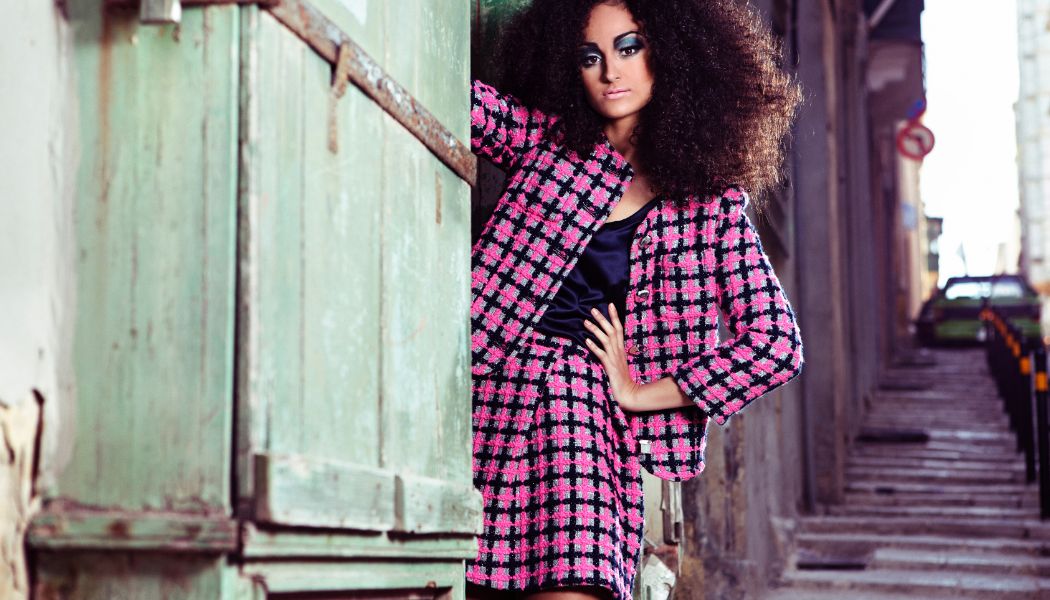
Fashion is ever-evolving, and staying ahead of trends can feel overwhelming. However, with the right strategies, anyone can keep their wardrobe fresh and stylish. Here are 21 must-know tips to help you stay ahead of fashion trends without breaking a sweat.
1. Follow Fashion Influencers and Bloggers
Social media platforms have transformed how we access and interpret fashion trends. Platforms like Instagram, TikTok, and Pinterest offer endless opportunities to explore and engage with fashion influencers and bloggers who regularly share their styling tips, outfit inspiration, and takes on the latest trends. To make the most of this resource, start by identifying influencers who match your personal sense of style. For instance, you may favor minimalistic looks, vintage vibes, or bold and eclectic outfits. Finding influencers that resonate with your aesthetic will provide you with tailored inspiration.
Fashion influencers often collaborate with brands to showcase emerging trends even before they hit the mainstream, giving their followers an exclusive look at what’s new. Monitoring their feeds provides insight not only into current trends but also into how these trends can be incorporated into everyday wear. TikTok, for example, often features short, engaging videos that demonstrate how affordable pieces can be styled into runway-inspired looks, making trends accessible to a broader audience.
Additionally, bloggers are often at the forefront of creating detailed content such as "how-to" guides or "one trend, five ways" posts. These can be incredibly valuable for learning how to integrate trends into your wardrobe without feeling overwhelmed. Comments sections on blogs and posts also allow users to discuss and ask questions, creating a community where advice is exchanged freely. Bookmark your favorite influencers, stay engaged with their posts, and pay attention to their recommendations on brands, products, and evolving fashion movements. By following influencers and bloggers regularly, you can stay inspired and confident in your fashion choices.
2. Subscribe to Fashion Magazines
Fashion magazines remain an indispensable resource for staying ahead of trends, even in today’s digital world. Prestigious publications like Vogue, Elle, and Harper’s Bazaar have long been considered the holy grail of fashion, offering in-depth analysis of seasonal movements, designer collections, and inventive styling ideas. Subscribing to these magazines, whether in print or through digital editions, gives you access to exclusive coverage that often curates the look of future seasons long before trends make it to retail stores.
These magazines feature trend reports and editorials that highlight what’s new on the runway, which colors and materials are dominating collections, and how top designers envision the future of fashion. Regularly flipping through their glossy pages or scrolling through their digital layouts can provide an unmatched perspective on sophistication and innovation in the industry. Seasonal editions often focus on must-have wardrobe staples, such as what coats to invest in for winter or which patterns are ruling spring fashion. These breakdowns can serve as a direct guide for identifying pieces that will stand the test of both the season and time.
Furthermore, fashion magazines are filled with articles and interviews that give readers insight into the industry’s creative minds—think designers, stylists, and even trend forecasters. Understanding the vision behind a particular collection or the inspiration driving a specific trend provides you with a deeper appreciation for fashion as an art form. Many of these publications also offer practical styling solutions, such as pairing unexpected items or rediscovering the versatility of wardrobe basics. Some magazines come with additional perks, like shopping guides, discounts, or access to exclusive events, which can further fuel your interest in staying ahead of the curve.
To maximize the benefit of a magazine subscription, curate a list of your favorites, consider purchasing both global and local publications, and take note of trends that seem to appear across multiple sources. When armed with this knowledge, you’ll be well-prepared to identify the most noteworthy trends and incorporate them seamlessly into your personal style.
3. Attend Fashion Shows and Events
Fashion shows and events serve as the beating heart of trend creation and innovation, where designers unveil their latest collections and set the tone for upcoming seasons. These gatherings are not just about the clothing but are immersive experiences that showcase the future of style, complete with intricate staging, dynamic music, and an atmosphere brimming with creativity. Attending these events in person provides a firsthand glimpse into the artistry and vision behind new designs, allowing you to absorb the details that often do not translate fully through secondary coverage.
For those who cannot experience fashion shows live, technological advancements have made it easier than ever to stay connected. Many top-tier events, including global staples like New York, Paris, Milan, and London Fashion Weeks, offer live-streaming options and extensive online coverage. Dedicated fashion platforms, social media channels, and designer websites often provide behind-the-scenes snapshots and highlights, ensuring you stay in the loop. Utilize these resources to study how trends evolve throughout a collection, including the fabrics, silhouettes, and even the accessories that complement the designs.
Beyond runway shows, smaller-scale events such as pop-up exhibitions, designer trunk shows, and fashion workshops can also help you stay ahead. These localized gatherings often showcase talent from emerging designers, offering a fresh perspective that sometimes predates widespread trends. Networking at such events can also open doors to insider tips, collaborations, and personal reflections from those shaping the fashion industry. To make the most of fashion events, approach them with curiosity, take detailed notes, and document key takeaways to incorporate into your evolving style repertoire.
4. Experiment with Colors and Patterns
One of the most exciting aspects of personal style is the freedom to experiment with colors and patterns. This creative play allows you to push boundaries and discover combinations that resonate with your personality while staying on-trend. Bold colors, ranging from vibrant neons to rich jewel tones, can instantly elevate an outfit and command attention. Similarly, unexpected patterns like geometric prints, tropical motifs, or abstract designs can infuse your wardrobe with contemporary flair.
When experimenting with colors, one useful strategy is to familiarize yourself with the color wheel and basic color theory. Understanding complementary, analogous, and triadic color schemes can help you pair hues thoughtfully, ensuring your outfit feels both harmonious and visually striking. Start small by incorporating bursts of color through accessories such as scarves, shoes, or bags, then gradually transition to statement pieces like bold blouses or tailored suits.
Patterns, on the other hand, require a slightly different approach. Mixing and matching prints can be intimidating, but the key is to maintain a balance. Pairing a busy floral top with a striped skirt in a coordinating color palette, for instance, can create a visually appealing contrast. Alternatively, layering varying sizes or scales of a single pattern—like micro and macro polka dots—can add depth to your look. Don’t be afraid to explore seasonal trends in patterns, such as houndstooth in autumn or gingham in spring, to stay relevant.
For those new to experimenting with colors and patterns, consider keeping a style journal to record successful combinations and inspirational ideas. This will not only serve as a creative reference but also help in honing your comfort with more daring choices. Remember, the goal is to craft a wardrobe that blends both trendy and personal elements, empowering you to stand out while staying true to your unique aesthetic.
5. Invest in Timeless Pieces
Building a wardrobe that stands the test of time involves incorporating timeless pieces that serve as the foundation of your personal style. Unlike fleeting trends that may fade quickly, classic items such as a tailored blazer, a crisp white shirt, or a little black dress provide unparalleled versatility. A tailored blazer, for instance, can seamlessly transition from a work-appropriate look when paired with trousers to a chic, casual style when layered over a T-shirt and jeans. It’s worth investing in high-quality options for these items, as these fundamental pieces can remain in excellent condition for years with proper care.
The white shirt, a quintessential wardrobe staple, is equally adaptable. Whether styled with skirts, denim, or layered beneath a sweater, it exudes effortless sophistication. Opt for premium fabrics like cotton or linen to ensure comfort and longevity. Additionally, the little black dress (often abbreviated as LBD) has rightfully earned its iconic status. Perfect for everything from formal events to casual outings depending on the accessories and footwear chosen, the LBD offers unmatched flexibility.
To balance classic style with current trends, consider accessorizing these timeless pieces with bold, trendy items. For example, you could elevate the look of a white shirt by pairing it with statement necklaces or scarves. Similarly, trendy footwear, such as platform boots or chunky sneakers, can add a modern twist to an otherwise traditional ensemble. The idea is to use timeless items as a blank canvas, allowing trendy accessories to provide a fresh, contemporary touch. Investing in such enduring staples is not only cost-effective in the long run but also a sustainable choice in fashion.
6. Shop at Online Retailers
The world of online shopping has revolutionized the way we approach fashion. With just a few clicks, you can explore an extensive variety of clothing, shoes, and accessories, making it easier than ever to stay updated with the latest trends. Online retailers like Light in the Box have emerged as popular destinations for fashion enthusiasts looking for stylish, affordable options. They offer collections that cater to a wide spectrum of tastes and occasions.
One of the key advantages of online shopping is the ability to browse curated looks, read customer reviews, and compare prices, all from the comfort of your home. Light in the Box not only provides a broad selection of fashionable items but also offers intuitive filtering options that help shoppers find what they need quickly. Whether you’re on the hunt for seasonal essentials like cozy sweaters or trendy statement pieces like patterned dresses, the options are virtually limitless.
To make your online shopping experience even more rewarding, take advantage of promotional discounts and coupon codes offered by retailers. For example, Light in the Box often provides exclusive coupon codes, allowing customers to save significantly on their purchases. Searching for and applying a Light in the Box Coupon Codes at checkout can reduce costs while enabling you to stock up on fashion staples and accessories without compromising on quality.
Furthermore, online shopping platforms frequently update their inventory, ensuring access to the freshest designs and trends. Many also introduce flash sales and limited-time discounts, making it an opportune moment to snag a coveted item at an unbeatable price. Regularly visiting online retailers and subscribing to newsletters can alert you to such promotions, ensuring you don’t miss out on deals that align with your style needs.
Finally, keep in mind that while online shopping is convenient, maintaining a discerning eye is essential. Pay close attention to sizing charts, fabric descriptions, and return policies to ensure you’re making choices that match both your expectations and body type. By combining the ease of online shopping with strategic use of coupon codes, building an enviable wardrobe that blends timeless classics with modern styles becomes an effortless and enjoyable endeavor.
7. Stay Updated with Street Style
Street style serves as an unparalleled lens into the pulse of contemporary fashion. Unlike the carefully curated designs seen on runways, street style reflects the fashion choices people make in real life, blending practicality with creativity. This organic expression of fashion often highlights emerging trends before they hit mainstream markets, making it an invaluable source of inspiration. To stay updated, pay attention to street style photography from fashion capitals such as Paris, Milan, New York, Tokyo, and London, especially during major fashion weeks.
These cities are melting pots of innovation where classic elegance meets experimental cuts, bold patterns, and unique layering techniques. Observing what people wear on the streets can help you understand how cultural influences are shaping modern fashion. For a deeper dive, following street style bloggers, influencers, and photographers on platforms like Instagram and Pinterest can provide consistent insights into what’s gaining popularity. Additionally, analyzing how these fashion-savvy individuals mix and match is a great way to learn styling tricks that align with emerging themes.
Another benefit of tracking street style is its accessibility to different demographics and perspectives. You`ll often notice style influencers combining niche local pieces with globally recognized brands, offering a fresh and balanced fusion of high and low fashion. This gives you an opportunity to explore how trends can vary in their interpretations before incorporating them into your own wardrobe. Keeping an observational and open-minded approach will help you identify trends that resonate with your personal aesthetic. Remember, however, that staying updated on street style isn’t just about replicating looks; it’s about taking inspiration and crafting a style that feels authentic to you. By immersing yourself in the vibrant and often spontaneous world of street fashion, you can refine your own sartorial vision in creative and unexpected ways.
8. Mix High and Low Fashion
Mixing high-end designer pieces with affordable items is an art form that allows you to create a wardrobe that is chic, versatile, and uniquely yours. While high-fashion items bring a level of quality, luxury, and sophistication to your outfit, adding affordable elements offers the flexibility to experiment without overspending. This approach also reflects the growing popularity of “high-low dressing,” a strategy that balances the grandeur of luxury brands with the practicality of everyday wear.
To master this balance, consider investing in timeless, high-quality staples such as leather handbags, tailored blazers, or classic footwear, which act as the foundation of your look. These items can elevate the overall appearance of your outfit and add a sense of polish and durability. Pair these pieces with cost-effective essentials such as basic tees, denim jeans, or seasonal accessories to keep your outfits adaptable and playful. For example, wearing a sleek, designer coat over a casual graphic t-shirt and thrifted jeans can create a striking visual contrast that feels stylish yet understated. The key is to focus on proportions, textures, and complementary color schemes that create harmony between high-end and everyday pieces.
Budget-conscious fashion enthusiasts can also make the most of sales and secondhand markets to snag premium designer pieces without breaking the bank. Online resale platforms, outlet stores, and vintage boutiques often offer discounted luxury items that you can incorporate into your wardrobe seamlessly. At the same time, fast-fashion retailers can be an excellent source of trendy, statement items that you might not want to splurge on right away. By strategically combining these elements, you not only create a wardrobe that is budget-friendly but also one that is endlessly adaptable to different occasions and personal preferences. High-low fashion highlights your creativity and resourcefulness, allowing you to curate a look that feels relevant, bold, and entirely your own.
9. Follow Celebrity Fashion
Celebrities have long been a source of fashion inspiration, with their signature styles influencing trends and setting benchmarks for the latest must-have items. From glamorous red carpet appearances to off-duty streetwear looks, these public figures provide a wealth of ideas for elevating your wardrobe. Paying attention to red carpet events, such as award shows or movie premieres, can introduce you to high-fashion pieces and innovative styling ideas. Designers often collaborate with celebrities to showcase their newest collections, making these moments a valuable resource for spotting fresh trends.
Additionally, many celebrities have embraced social media platforms to share their daily outfits and behind-the-scenes glimpses of their personal style. Following your favorite style icons on Instagram, TikTok, or other platforms can provide continual inspiration. You can even keep track of how they accessorize, layer garments, and mix designer items with affordable brands. Not only does this help you replicate specific looks within your budget, but it can also encourage you to experiment with new combinations or concepts you`d never considered before.
To get the most out of following celebrity fashion, consider identifying figures whose styles align with your personal preferences. Whether you`re drawn to the minimalist elegance of someone like Zendaya, the bold and vibrant patterns worn by Harry Styles, or the timeless sophistication of Cate Blanchett, focusing on individuals who resonate with your aesthetic can yield the most practical and exciting ideas. Another tip is to study how celebrities adapt their wardrobe for different occasions, which can help you learn the versatility of various fashion pieces.
Finally, be mindful that celebrity fashion isn`t just about imitation—use their looks as inspiration while finding ways to make them uniquely yours. Refusing to copy outfits piece-by-piece allows you the freedom to incorporate aspects of your personality into the finished style. By doing so, celebrity fashion becomes a launching pad for developing your individual look rather than dictating it outright.
10. Join Online Fashion Communities
Online fashion communities have transformed the way people share, learn, and engage with style. These forums and social media groups serve as inclusive spaces where fashion enthusiasts from all over the world connect, exchange insights, and collectively celebrate their love for clothing and design. Joining one of these communities can help you stay ahead of the trends, discover innovative styling ideas, and even find recommendations for up-and-coming brands or hidden gems in your local area.
Platforms like Reddit and Facebook host diverse fashion-related groups focused on everything from thrift shopping and sustainable fashion to specific subcultures like goth or Y2K. Participating in these spaces not only exposes you to new perspectives but allows you to ask questions, seek feedback, or celebrate your own outfit combinations. On Instagram and Pinterest, hashtags and boards built around niche fashion topics can also be a source of tailored inspiration. Furthermore, apps like Depop or even Discord servers dedicated to fashion provide collaborative environments for discussing and discovering style trends.
One of the biggest advantages of online fashion communities lies in their accessibility and inclusiveness. Unlike traditional fashion spaces that may prioritize exclusivity, many digital groups openly welcome participants regardless of experience or budget. For people looking to refine their skills in creating capsule wardrobes or improving their second-hand shopping habits, these forums often provide invaluable first-hand tips from seasoned members.
To fully engage in these communities, try participating in challenges, following threads that promote themed outfits, or contributing your own style tips and creations. By interacting regularly, you might also gain access to insider knowledge on limited-time sales, collaborations, or even new design releases. The relationships forged in these communities can often lead to lasting connections with like-minded individuals, building a network of supportive peers who share your passion for fashion.
By combining the inspiration gained from celebrity trends with the collaborative insights offered by online fashion communities, you can continuously evolve your style in meaningful and exciting ways. The interplay between global trends and collective creativity makes modern fashion more dynamic and approachable than ever before.
11. Learn from Fashion History
Understanding fashion history is an invaluable tool for anyone looking to refine their personal style, spot emerging trends, or even predict future innovations in the fashion industry. The cyclical nature of fashion means that many trends reappear in updated forms, making it essential to study the styles, fabrics, and cultural influences of past decades. For instance, iconic trends like the flapper dresses of the 1920s, the sleek minimalist aesthetic of the 1990s, or the bold colors and patterns of the 1970s continue to inspire modern designers. Learning about these eras provides a deeper appreciation for the art of garment-making and the social contexts that shaped their popularity.
By exploring fashion history, you can better understand how certain silhouettes, color palettes, and textiles evolved in response to cultural, political, and technological changes. For example, the post-war era gave rise to Dior’s "New Look," which emphasized a return to femininity and luxury after years of austerity. Similarly, the rise of punk fashion in the late 1970s reflected a countercultural movement and the rebellious spirit of the time. Recognizing these connections helps you make more informed choices about your wardrobe, whether you choose to emulate a particular era or blend historical influences with modern elements to craft a unique, personal style.
Studying fashion history also provides a practical advantage in honing your eye for vintage pieces or identifying well-crafted, timeless designs. Whether browsing through secondhand stores, auctions, or vintage markets, you’ll be equipped with the knowledge to spot quality items that have a sense of longevity. Fashion history is not just an academic pursuit—it’s a gateway to creativity, self-expression, and the ability to identify styles that have stood the test of time while predicting the inspirations that will define future trends.
12. Experiment with Accessories
Accessories are more than just finishing touches—they are powerful tools to elevate an outfit and showcase your personal style. Items like bags, shoes, jewelry, belts, scarves, and hats hold the potential to completely transform even the simplest wardrobe choices, offering countless opportunities for experimentation and versatility. For example, a casual denim outfit can shift into a chic statement look with the addition of a bold necklace, a designer handbag, or statement heels. Similarly, swapping plain sneakers for sleek boots or adding a silk scarf can effortlessly upgrade your overall style without requiring an entirely new wardrobe.
One of the key advantages of experimenting with accessories is their ability to reflect current trends without overhauling your existing clothing. For instance, if bright neon tones dominate the season’s fashion shows, you can integrate this trend by choosing vibrant earrings, shoes, or bags rather than committing to a full neon ensemble. This approach is not only cost-effective but also eco-friendly, as it reduces the pressure to constantly purchase new outfits. Accessories allow you to experiment with styles, colors, and themes that might feel intimidating in larger garments, giving you the freedom to explore and express aspects of your personality.
Investing in high-quality, timeless accessories can also enhance the longevity of your wardrobe. Classic leather handbags, minimalist watches, or a pair of neutral-toned heels become staple pieces that can elevate any outfit. On the other hand, more playful or trendy pieces like oversized sunglasses, chunky jewelry, or embellished belts are perfect for adding an element of fun and creativity. Accessories provide endless room for experimentation across different seasons, occasions, and moods, making them some of the most versatile tools in the world of fashion.
Ultimately, accessories are the final but mighty layer of any look, proving that sometimes, the smallest details can leave the biggest impression. By learning to curate them thoughtfully, you can keep your style fresh, dynamic, and uniquely yours.
13. Stay True to Your Style
While it’s fun to experiment with trends, maintaining your personal style is essential for creating a wardrobe that reflects who you truly are. Personal style acts as a signature—it’s what makes your fashion choices inherently yours, setting you apart from the crowd. Staying true to your style ensures you not only enjoy what you wear but also feel confident and at ease in any outfit you assemble.
Trends come and go like passing seasons, bringing freshness and excitement to the world of fashion. However, not all trends resonate with everyone’s unique sense of self. When you stay grounded in your individuality, choosing pieces that align with your core preferences, you avoid the pitfalls of fleeting fads that may feel out of sync with your aesthetic. Wearing what you love and what represents your personality creates authenticity, an element that no trend can replicate.
This commitment to your style doesn’t mean avoiding experimentation altogether. On the contrary, you can selectively incorporate trends to enhance or update your wardrobe in ways that feel natural to you. For example, if bold colors are trending but you prefer a neutral palette, you could adopt the trend through small accents—such as a colorful scarf or a statement accessory—without compromising your foundational style.
Staying true to your personal style often translates to practicality and financial wisdom as well. By focusing on timeless pieces that suit your taste, you build a lasting wardrobe that doesn’t require constant reinvention. This ensures that over time, your clothes and accessories work cohesively, making styling easier and more enjoyable. At its core, your personal style is a reflection of how you see yourself and how you want the world to see you. When you wear what feels most like “you,” the result isn’t just a visually appealing outfit—it’s a look imbued with self-assurance and individuality.
14. Shop Secondhand and Vintage
Thrift stores and vintage shops are treasure troves of fashion that invite you to explore a world of unique, sustainable, and often deeply personal clothing options. These places harbor gems you won’t find in mainstream retail—pieces that tell a story, hold a sense of history, and bring character to your wardrobe. Shopping secondhand is not only an eco-friendly choice, but also an avenue to express individuality in a world dominated by mass-produced fashion.
One of the greatest appeals of secondhand and vintage shopping is the sheer variety of styles available. Unlike conventional retail, where trends dictate what is on display, thrift shops and vintage boutiques cater to decades of fashion, spanning all kinds of eras, cuts, and textiles. Whether you’re drawn to the elegant silhouettes of the 1950s, the boho-chic vibes of the 1970s, or bold power dressing from the 1980s, you can find pieces that resonate with your unique tastes.
Beyond style, shopping secondhand is a conscious choice that contributes to sustainability in fashion. The environmental impact of the textile industry is immense, with waste and overproduction being critical issues. By opting for preloved items, you actively reduce demand for fast fashion and give clothing a new life instead of allowing it to contribute to landfill waste. It’s a small yet impactful way of protecting the planet while still enjoying the thrill of updating your wardrobe.
Another significant advantage of secondhand shopping is affordability. Many thrift stores and vintage shops feature high-quality garments and designer items at prices far below their original value. This makes it possible to invest in durable and timeless pieces without breaking the bank. Shopping secondhand also encourages a creative approach to fashion, as you learn to mix and match items that may not follow conventional design rules yet come together beautifully.
For those hesitant or unfamiliar with secondhand shopping, patience and persistence are key. Unlike department stores where items are curated for easy browsing, thrift shops require exploration and a little more effort. The reward, however, is the sense of accomplishment you feel when uncovering a truly exceptional find. These treasures—a one-of-a-kind dress, a vintage leather bag, or a timeless coat—add depth and uniqueness to your wardrobe.
Ultimately, shopping secondhand and vintage is about more than just acquiring clothes. It’s about fostering a greater connection to your personal sense of style, building a wardrobe that is as sustainable as it is distinctive, and celebrating the art of giving items a second life. Each find carries its own charm, and these pieces can become the highlights of your closet, cherished for both their aesthetic and their story.
15. Follow Fashion Weeks
Fashion Weeks in major cities such as New York, London, Milan, and Paris are pivotal events in the fashion calendar, setting the tone for upcoming trends and showcasing innovative designs from renowned and emerging designers alike. These events are not just grand spectacles but also cultural moments that encapsulate the essence of fashion’s evolution. By following Fashion Weeks, you gain a sneak peek into the themes, colors, cuts, and materials that will dominate the industry in the coming seasons.
For serious fashion enthusiasts, keeping up with these shows can be incredibly insightful. Many brands and designers use these platforms to unveil their seasonal collections, blending creativity with trends influenced by current events, social concerns, and even technological advancements. The intricate details of fabrics, the imaginative runway setups, and the broader storytelling provide a comprehensive view of how fashion intertwines with art and life.
If you can’t attend Fashion Week events in person, there are plenty of ways to stay informed from anywhere in the world. Social media platforms like Instagram and TikTok often deliver real-time updates, and many designers and brands stream their shows online, making the experience accessible to a global audience. You can watch models walk down the runway, analyze styling choices, and even gauge audience reactions—all from the comfort of your home. Additionally, fashion media outlets like Vogue, Elle, and Harper’s Bazaar provide in-depth coverage, including critiques and photo series that break down each show. You can take notes, save inspiration boards, and identify pieces or themes you might want to incorporate into your wardrobe.
It’s also useful to look at how trends previewed during Fashion Weeks trickle down to ready-to-wear collections and streetwear. By understanding this pipeline, you’ll be more prepared when these trends appear in stores and can plan how to interpret or adapt them to your personal style. Whether it’s a bold new silhouette, an unexpected color combination, or a unique accessory style, Fashion Weeks often foreshadow movements that will dominate retail markets in the months ahead, making them a go-to resource for anyone passionate about staying ahead of the curve.
16. Use Fashion Apps
Fashion apps are modern tools that have revolutionized the way we interact with fashion and maintain our sense of style. From discovering latest trends to assembling fabulous outfits, these digital solutions can enhance your fashion experience in countless ways. Fashion apps cater to different needs, helping users stay organized, creative, and inspired while streamlining their approach to dressing, shopping, and even selling.
One of the primary uses of fashion apps is trend discovery. Platforms like Pinterest and Instagram are not strictly categorized as fashion apps but are rich sources of inspiration owing to their vast network of influencers, designers, and brands. By following curated boards or accounts, you can spot budding trends before they fully bloom into mainstream culture. Meanwhile, apps like Vogue Runway allow you to view collections straight off the catwalk, providing access to stunning visuals from global Fashion Weeks with detailed breakdowns that will help you interpret high-end looks for everyday wear.
Outfit-planning apps are another invaluable tool for simplifying the morning routine. Apps like Stylebook and Cladwell enable you to digitize your wardrobe by uploading photos of your clothes, giving you the power to mix and match items virtually. This eliminates the hassle while letting you uncover new outfit combinations you may not have considered. They also help you map out your wardrobe for various occasions—from casual outings to formal events—ensuring that you’re always dressed appropriately and stylishly. Some apps even analyze your existing wardrobe to identify gaps and suggest additions to bolster your personal style.
Fashion apps are also fantastic for shopping efficiently. Apps like ShopStyle or LIKEtoKNOW.it allow you to browse items across multiple retailers in one place, saving you time while finding precisely what you need. Many apps include filters like size, color, and budget, ensuring the search process is fine-tuned to your needs. And thanks to augmented reality features offered by some fashion apps, you can even "try on" clothes, accessories, or makeup virtually before purchasing, making online shopping more reliable and satisfying.
For those interested in sustainability, there are apps like Good On You that rate brands based on their ethical and environmental practices, helping you make conscientious choices. Meanwhile, resale apps like Depop or ThredUp make it easy to sell unwanted pieces or purchase secondhand treasures, aligning with eco-friendly and budget-conscious goals.
Ultimately, fashion apps integrate seamlessly into the modern lifestyle, offering solutions that are both practical and inspiring. Whether you’re a designer, enthusiast, or someone looking to elevate their wardrobe, these apps are must-have tools for navigating today’s fast-paced fashion landscape while staying stylish on the go.
17. Pay Attention to Fabric Trends
The choice of fabric plays an essential role in fashion trends and the overall aesthetic of clothing each season. Every year, designers and brands spotlight specific materials that align with the moods and themes of the season. For instance, during fall and winter, richer, more luxurious fabrics such as velvet, satin, and wool often dominate the fashion scene. Velvet, with its plush texture and soft finish, brings a sense of opulence that is perfect for holiday parties, evening events, or even elevated casual wear. Available in deep hues like emerald green, burgundy, and navy, velvet can be styled into everything from tailored blazers to wide-legged trousers. On the other hand, satin continues to trend due to its sleek, glossy appearance that evokes sophistication. Satin dresses, skirts, or even chic button-down shirts can transform any outfit into an elegant statement.
While seasonal versatility is key, it’s not just limited to luxury materials. Practical fabrics like corduroy and faux leather also claim their space in fall and winter collections, offering durability alongside style. Corduroy, particularly in muted or earthy tones, is a go-to for casual and vintage-inspired outfits. Faux leather, meanwhile, has been embraced as an ethical and fashionable substitute for traditional leather, commonly seen in jackets, skirts, and accessories. Paying attention to trending fabrics isn’t about following a rigid rulebook, but rather understanding how textures, finishes, and materials can elevate your style or reflect your personality. By incorporating on-trend fabrics into your wardrobe, you can create looks that feel current while ensuring the material serves the purpose of both function and comfort.
18. Layer Creatively
Creative layering is an invaluable skill that not only adapts your wardrobe to fluctuating weather conditions but also amplifies your ability to experiment with personal style. Fall and winter’s unpredictable temperatures provide the perfect stage to showcase the art of layering. The key to mastering this technique lies in blending textures, patterns, and lengths to create visually appealing ensembles that are both stylish and functional.
Start with a solid foundation—think lightweight base layers such as fitted turtlenecks, long-sleeve tees, or a classic button-down shirt. These pieces act as a neutral canvas, allowing you to explore oversized sweaters, structured jackets, or tailored coats on top. Pairing contrasting textures, like a chunky knit cardigan over a delicate silk blouse, adds depth and richness to your outfit. Similarly, mixing modern and vintage aesthetics, such as combining an edgy faux-leather jacket with a soft wool scarf, can result in a balanced, yet unexpected look. Don’t forget to consider proportions—wearing a cropped puffer jacket over a longer, flowing dress or layering a long trench coat over fitted trousers introduces dynamic styling that catches the eye.
Accessories also play a pivotal role in creative layering. Items such as scarves, hats, belts, and gloves contribute not only warmth but also character to your ensemble. For example, a belt cinched over an oversized blazer can help define your silhouette while adding a polished focal point. Footwear, too, becomes an integral part of the layered aesthetic; tall boots, heeled ankle boots, or platform sneakers can complement and balance the overall outfit composition. By thinking outside the box and experimenting with layering techniques, you can refresh your wardrobe in endless ways, reinventing the wearability of your existing pieces season after season.
19. Stay Updated with Men’s and Gender-Neutral Fashion
The fashion industry`s spotlight does not solely focus on women’s clothing—men’s and gender-neutral fashion trends are gaining more influence than ever in shaping the broader landscape of style. The gender-neutral movement, in particular, has transformed the way people approach their wardrobes, encouraging a focus on comfort, inclusivity, and boundary-breaking designs that appeal to a wide audience.
Men’s fashion trends often introduce strong, structured silhouettes, earthy color palettes, and utility-inspired designs that translate seamlessly into mainstream styling. For example, oversized blazers, tailored suits, and workwear-inspired pieces like cargo pants or shackets (shirt-jacket hybrids) have made their way into everyday wardrobes across all genders. Paired with accessories like leather loafers, sneakers, or bucket hats, these staples bring a refined yet approachable edge to any look.
Gender-neutral fashion takes this influence further by blurring the lines between traditional men’s and women’s clothing. Loose-fitting garments, such as oversized button-down shirts, unisex hoodies, wide-leg trousers, and boxy blazers, have emerged as key elements. Neutral tones like beige, gray, and black dominate this category, offering a minimalist aesthetic that complements most personal styles. At the same time, bold pops of color or unexpected patterns—like checkerboard prints or abstract designs—provide a playful twist, allowing for greater individual expression.
Staying informed about men’s and gender-neutral trends provides a wealth of inspiration that can be seamlessly woven into any wardrobe. Whether it’s through experimenting with innovative cuts or integrating versatile staples, these styles encourage creativity, inclusivity, and a sense of freedom that resonates with modern fashion sensibilities. Ultimately, exploring these trends invites you to think beyond traditional style norms, enriching your fashion approach with diverse influences while staying ahead of the curve.
20. Take Care of Your Clothes
Well-maintained clothes not only look better but also last significantly longer. Proper care ensures that your wardrobe retains its original shape, color, and quality over time, allowing you to make the most of your favorite pieces. Always begin by carefully reading the care instructions on your clothing labels. These labels provide essential guidance on washing, drying, ironing, and storing your garments. For example, certain fabrics like silk or wool require gentle handling and are often labeled as "dry clean only," while others such as cotton or polyester may be safely machine-washed. Neglecting these instructions can result in shrinkage, fading, or even complete damage to your clothing.
When washing your clothes, sorting is a crucial step. Separate garments based on color and fabric type to prevent color bleeding and preserve the texture of delicate materials. Use a mild detergent to protect the fibers of your clothing and consider washing delicate items, like lingerie or knitwear, in a mesh laundry bag for additional protection. For eco-conscious care, opt for cold water cycles, as they are gentler on both your clothes and the environment.
Drying your garments properly is just as important as washing them. Overloading your dryer or using high heat settings can weaken fabric fibers and cause shrinking. When possible, air drying is preferable, as it minimizes wear and tear while reducing energy consumption. Invest in a sturdy drying rack or hang clothes on non-metal hangers to maintain their shape. Clothes that require ironing should be pressed using the appropriate heat setting for the fabric, and a steam iron can provide a professional finish while being gentler on many materials.
Storage also plays a vital role in clothing care. Always fold heavy, knit sweaters to avoid stretching, and use padded or wooden hangers for delicate or structured garments to prevent misshaping. Keep your closet clean, dry, and well-ventilated to protect against mold and moths. Adding a few lavender sachets or cedar blocks can help deter pests naturally while keeping your wardrobe smelling fresh.
Finally, be proactive in addressing minor damages. Mending small tears, replacing missing buttons, or patching up worn areas promptly will keep your clothes in wearable condition and prevent further damage. Investing time and care into maintaining your clothing not only enhances your overall appearance but also extends the life of your wardrobe, making it a more sustainable and rewarding practice.
21. Use Discount Websites
For budget-conscious shoppers who don`t want to compromise on style, discount websites are a game-changer. These platforms offer incredible savings through deals, promotional codes, and exclusive offers from a wide range of fashion retailers. One of the most notable examples is CouponGot, a user-friendly website that provides an extensive selection of discounts tailored to meet different styles and budgets. Whether you`re shopping for trendy everyday wear, high-end designer items, or seasonal staples, discount websites like this make it possible to elevate your wardrobe at a fraction of the cost.
Navigating discount websites is simple and efficient. Begin by searching for your preferred brands or categories—such as shoes, accessories, or outerwear. Many websites even allow you to compare multiple retailers at once, ensuring you find the best possible deal. Taking advantage of these platforms can result in significant savings during sales seasons or when shopping for luxury items beyond your usual price range. Some sites also offer exclusive memberships or email subscriptions, sending curated deals directly to your inbox and ensuring you`re among the first to know about new offers.
To make the most of discount websites, always read coupon terms carefully. Some promotions may require minimum purchase amounts or be valid only for certain items or categories. Combining coupons with existing sales or promotions can multiply your savings—it’s a smart way to maximize the value of each purchase.
Many discount platforms feature time-sensitive deals or flash sales, so shopping regularly and acting quickly is key. Bookmark your favorite websites and set reminders for significant sales events like Black Friday or Cyber Monday. By planning your purchases, you can strategically build a stylish wardrobe without overspending. Taking advantage of discount platforms doesn’t only benefit your wallet; it`s also a more sustainable shopping approach, as you can afford higher quality items that are both fashionable and durable.
Conclusion
Staying ahead of fashion trends doesn’t have to be complicated. By following these 21 tips, anyone can effortlessly keep their style fresh and trendy. Whether it’s experimenting with new looks or investing in timeless pieces, the key is to have fun and express yourself through fashion.
Frequently Asked Questions About Fashion Trends
What are fashion trends?
Fashion trends refer to popular styles, clothing, accessories, and aesthetics that gain widespread attention and influence during a particular period. They often evolve with cultural, seasonal, and global influences.
How are fashion trends created?
Fashion trends are influenced by various factors, including designer collections, celebrity styles, social media, pop culture, and even socio-economic shifts. Trendsetters and influential figures often spark these shifts, which then gain momentum through mass adoption.
How long do fashion trends usually last?
Fashion trends can last anywhere from a single season to a few years, depending on their popularity and adaptability. Some trends achieve timeless status and remain influential over decades.
How can I stay updated on current fashion trends?
To stay updated on fashion trends, you can follow fashion blogs, social media influencers, designers, and industry news from outlets like Vogue or WWD. Attending fashion shows and exploring street style can also provide insights.
Should I follow every fashion trend?
Following every fashion trend isn`t necessary. It`s important to choose trends that align with your personal style and make you feel comfortable and confident. Fashion should be an expression of individuality rather than conforming to all trending ideas.