21 Features to Look for in an AI-Powered Video Platform
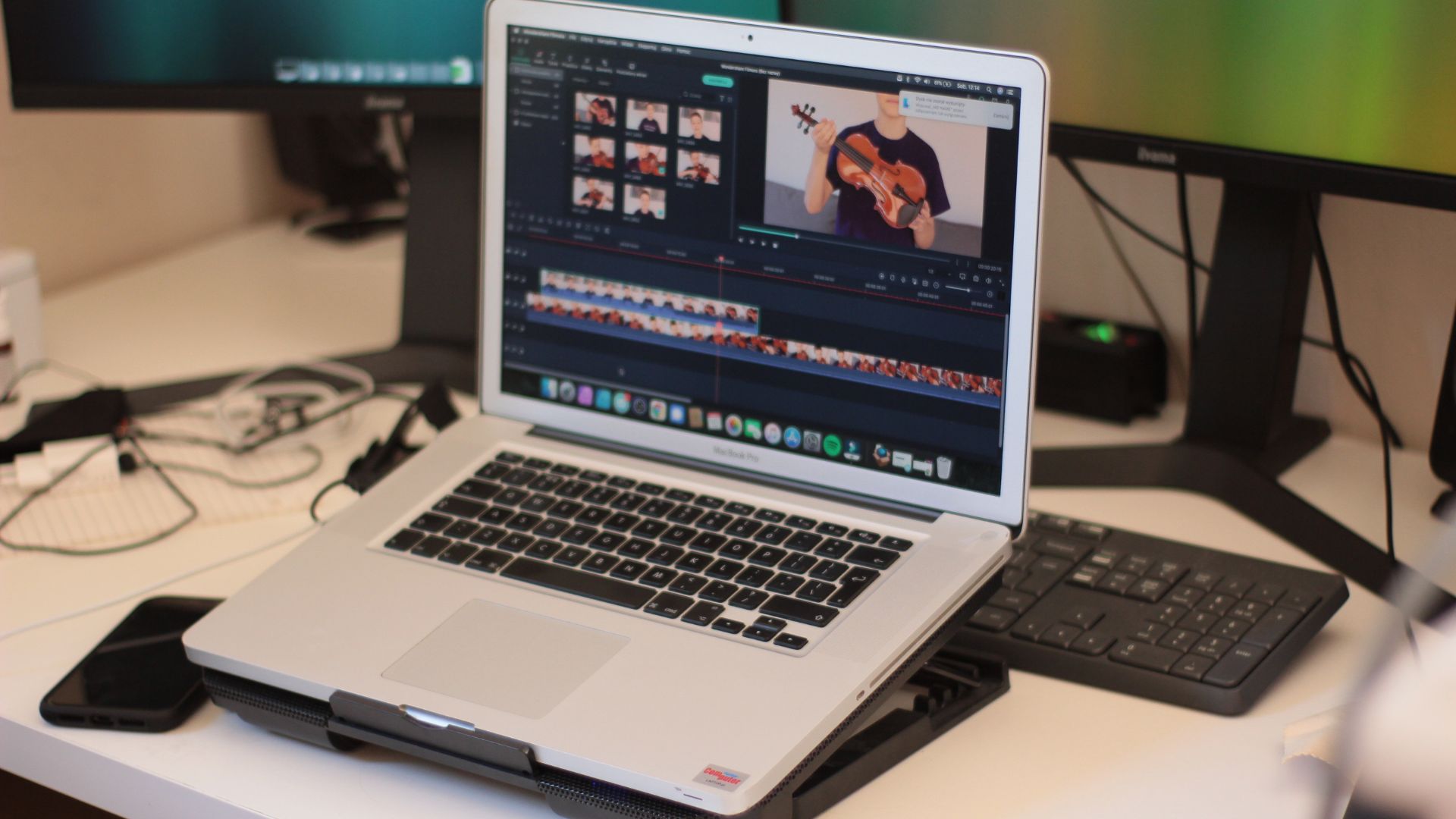
Video content is more important than ever. To create great videos, many people are turning to AI-powered video platforms. These tools use artificial intelligence to make video creation easier and faster. But with so many options available, how do you choose the right one? This blog lists 21 key features to look for in an AI video platform.
1. Automated Video Editing
One of the most important features of an AI-powered video platform is automated video editing. This functionality allows the platform to significantly simplify and accelerate the editing process. Using advanced algorithms, the AI can analyze your raw footage and identify key moments or patterns within your content. For example, it can automatically detect errors in recording, such as pauses, stutters, or mistakes, and seamlessly remove them. Additionally, it can arrange your clips in a logical, coherent sequence without manual intervention, ensuring that the final output flows smoothly.
With automated editing, tedious tasks such as trimming clips, adjusting transitions, and synchronizing audio and video are handled by the system. Many platforms also include pre-configured templates or smart editing suggestions that align with different formats, such as social media posts, promotional videos, or educational tutorials. This feature is especially useful when you are working on tight deadlines, as it eliminates hours of manual labor. Not only does automated editing save time, but it also allows creators to focus on their creative vision and storytelling instead of technical details.
2. Smart Transcription and Captions
Creating accessible and engaging content is no longer optional in today’s diverse digital landscape. That’s why a robust AI-powered video platform should include smart transcription and captioning as a key feature. Smart transcription involves converting spoken audio in your video into text automatically, ensuring accuracy and efficiency in the process. The transcription can then be used to generate captions with precise synchronization to the audio, streamlining the captioning process for creators.
Captions serve multiple purposes. For viewers who are deaf or hard-of-hearing, captions make your video content accessible, ensuring inclusivity. Additionally, a significant percentage of audiences watch videos on mute, especially on social media platforms. With captions, these viewers can still understand and engage with your content. From a reach and visibility perspective, captions also improve your video`s searchability online by adding metadata and keywords, which boost SEO performance.
Advanced AI platforms further enhance this feature by allowing multiple language transcriptions and translations, ensuring your content appeals to global audiences. Furthermore, some tools provide customizable captions, enabling users to alter font styles, sizes, and colors according to their brand’s identity. Having smart transcription and accurately synced captions is a game-changer for improving audience engagement and making your video content accessible to everyone.
3. AI-Powered Text-to-Video Generation
AI-powered text-to-video generation is one of the most innovative advancements in content creation technology. This cutting-edge feature allows users to transform a simple text script or article into a fully-fledged video, significantly reducing the time and effort required for traditional video production. Here`s how it works: you input your text-based content into the platform, and the AI processes it to understand the context, tone, and key themes. From there, the system intelligently curates stock footage, dynamic visuals, animations, and even virtual elements to match the essence of your script.
The platform often incorporates voice synthesis technology to generate professional-quality narration, syncing it seamlessly with the visuals. You can also choose from a variety of voices, languages, and accents to suit your audience’s preferences. Additionally, these tools offer customization options, allowing users to tweak the video’s structure, replace visuals, add subtitles, or modify the voiceover, giving creators greater control over the final product.
This feature is a game-changer for marketers, educators, and content creators looking to produce engaging video content without requiring extensive technical skills or a large production team. It enables rapid prototyping of ideas, lowers production costs, and opens up new opportunities for creating tailored content for different platforms and demographics.
4. Advanced Analytics and Insights
Understanding how your audience interacts with video content is essential for optimizing engagement, and AI-powered analytics platforms are taking this capability to a new level. Unlike basic analytics, which offer surface-level data such as view counts and likes, these advanced tools dig deeper to uncover actionable insights.
AI algorithms can analyze viewer behavior in real time, identifying key interaction points, determining where viewers tend to lose interest (drop-off points), and measuring viewing durations. These tools often include heatmaps, which visually represent engagement levels across different parts of the video, helping creators pinpoint which sections resonate the most with their audience. Some even analyze emotional cues and feedback through sentiment analysis, offering a better understanding of the audience’s perceptions and reactions to the content.
The data generated by these platforms can be immensely useful for refining content strategies. For example, if the analytics show that a significant portion of viewers drops off at a particular moment, it might indicate an issue with pacing, content relevance, or clarity. Creators can then adjust future videos accordingly to retain viewer attention. Additionally, these platforms often integrate seamlessly with marketing tools, enabling cross-channel performance comparisons and audience segmentation. This level of insight not only improves video content quality but also ensures that creators can make data-driven decisions to maximize impact.
5. Automated Color Correction and Enhancement
The visual quality of a video can make or break its ability to capture and hold an audience’s attention. One of the most critical aspects of video quality is color, and that’s where AI-powered automated color correction and enhancement come into play. This feature allows creators to achieve professional-grade visuals without the need for technical expertise in color grading, an area traditionally requiring advanced knowledge and software.
AI algorithms analyze each frame of your video, identifying discrepancies in color balance, exposure, and overall visual tone. Using this data, the system automatically adjusts these parameters to ensure consistency across the video. For instance, it can correct underexposed footage, balance white tones, and fine-tune saturation to prevent dull or overly vibrant colors. This ensures that your video maintains a polished and cohesive look throughout.
Furthermore, AI can mimic the color grading techniques used in cinematic productions, adding depth and mood to your videos. Some platforms even allow users to apply presets based on popular styles, such as “warm,” “vintage,” or “modern cinematic,” giving them creative freedom without the complexity of manual editing.
Beyond aesthetics, automated color correction also saves significant time. Instead of manually adjusting color settings for each clip, creators can process multiple clips in a fraction of the time, which is especially useful for long-form content or projects with tight deadlines. By leveraging AI for color enhancement, creators can focus on storytelling and other aspects of content creation while ensuring their videos deliver a visually stunning experience for their audience.
6. Intelligent Background Removal
Removing or replacing video backgrounds has traditionally been a complex task, often requiring a green screen, precise lighting setups, and time-consuming post-production work. However, with advancements in AI technology, background removal has become significantly more accessible and efficient. AI-powered tools can now analyze video frames in real-time, detecting the subject and separating it from the background with impressive accuracy. These tools often use deep learning and computer vision to identify objects, people, and edges, ensuring clean and seamless extractions.
The applications of intelligent background removal are numerous. For professional creators, it enables the production of polished, studio-quality videos without the need for expensive equipment. You can place your subject into virtual environments, use custom graphics as backgrounds, or create dynamic transitions between scenes. This is particularly beneficial for industries like education, where virtual lessons and explainer videos are common, and marketing, where compelling visuals are crucial for audience engagement. Even in social media content creation, AI background removal offers a way to stand out with creative and engaging visuals.
The most advanced AI background removal tools also allow real-time adjustments, granting users the ability to tweak edges, soften transitions, or apply special effects during editing. This flexibility saves countless hours of manual work and opens new creative possibilities. Whether you’re working on a professional film, an advertisement, or a casual YouTube video, AI background removal brings efficiency and creativity together like never before.
7. AI Voiceovers and Dubbing
Creating captivating video content often involves compelling narration or dialogue. Traditionally, voiceovers and dubbing required professional voice actors and recording studios, which could be costly and time-consuming. With AI-powered voiceover and dubbing solutions, this process has been revolutionized. AI now offers high-quality, natural-sounding synthetic voices that can deliver scripts with impressive nuance and clarity.
Modern AI platforms allow creators to choose from a variety of voice styles, accents, and tones, catering to different audiences and project requirements. Whether you need a warm and friendly voice for a product explainer video or a crisp and authoritative tone for a corporate training module, AI voices can adapt to meet your needs. These platforms also support text-to-speech technology, allowing users to input scripts directly, eliminating the need for additional recording hardware or personnel.
One of the most significant advantages of AI voiceovers is the ability to scale content across multiple languages. AI dubbing tools can analyze the original audio and translate it into different languages, syncing the new voiceover to match lip movements and timing. This multilingual capability helps content creators expand their global reach, making their videos accessible to diverse audiences. For businesses, it means reaching international markets faster and more effectively without incurring the high costs of traditional translation and dubbing services.
Additionally, some platforms allow for real-time edits to the script, enabling quick changes to tone, wording, or pacing. Whether you’re working on animations, educational content, or promotional materials, AI voiceovers and dubbing streamline the process, giving you the power to create professional-grade audio tailored for your target audience.
8. Smart Search Within Videos
Finding specific moments or clips within a long video project has historically been one of the most frustrating aspects of video editing. Editors would often spend hours scrubbing through timelines to locate scenes, dialogue, or objects, slowing down the creative process. AI-powered smart search features are changing that by introducing a game-changing ability to search within video content intelligently.
These tools use advanced computer vision and natural language processing to analyze video content frame by frame. They can detect and index objects, faces, locations, and even spoken dialogue. For example, if you’re editing a documentary and need all the clips featuring birds, typing "bird" into the smart search bar would instantly surface relevant footage. Similarly, searching for a specific phrase like "sustainable energy" will pull up all the scenes where that phrase is spoken, saving you from manually combing through hours of footage.
Smart search technology is particularly valuable for large-scale projects with extensive footage, such as feature films, corporate training videos, or marketing campaigns. Platforms like Vimeo, which offer hosting and review pages, often include these search capabilities to enhance project management. Editors can easily annotate clips, share them with team members, and locate the right assets with minimal effort.
Additionally, this technology benefits creators in industries like e-learning, where keyword tagging of educational segments can enhance accessibility, or in social media marketing, where quick content repurposing is essential. Pairing smart search tools with comprehensive hosting solutions, and using discounts like Vimeo Coupon Codes, allows creators to keep costs manageable while benefiting from cutting-edge features.
With these innovations—intelligent background removal, AI voiceovers and dubbing, and smart search—AI continues to transform video production workflows. From reducing time and costs to empowering creators with new creative possibilities, the future of video editing is undeniably brimming with potential.
9. Automated Social Media Clips
Repurposing content has become an essential strategy in the modern digital landscape, especially as short-form video platforms dominate online engagement. Automated social media clip functionality enables AI to identify the most impactful and attention-grabbing moments from lengthy videos and transform them into short, engaging clips optimized for platforms like Instagram Reels, TikTok, and YouTube Shorts. This process involves advanced AI techniques such as sentiment analysis, movement detection, and audio-visual synchronization to pinpoint scenes likely to resonate with viewers.
Furthermore, these clips can be tailored to adhere to platform-specific specifications, such as aspect ratios like square (1:1) or vertical (9:16) and time limits. Content creators no longer need to painstakingly comb through hours of footage; this feature streamlines workflows, ensuring that each video’s most engaging moments are repackaged for maximum exposure and shareability. The result is not only time saved but also increased audience engagement, as these bite-sized videos bring content to life in dynamic and platform-appropriate ways.
10. Personalized Video Thumbnails
Thumbnails serve as the frontline in the battle for audience attention; they are often the deciding factor in whether someone clicks on a video or scrolls past it. Personalized video thumbnail creation relies on AI technology to analyze the content of a video and generate multiple thumbnail options tailored to grab viewer interest. This process might include selecting high-action frames, emphasizing emotion-driven visuals, and incorporating essential branding elements such as text overlays and graphics.
Some AI tools even suggest emojis, impactful color schemes, or image contrast tweaks to enhance the appeal. Additionally, personalization extends to matching the thumbnail style to the target audience or platform—whether it’s professional and clean for LinkedIn viewing or bold and colorful for TikTok. By providing creators with a range of thumbnails to choose from, AI ensures that each video is represented by its most captivating visual, boosting click-through rates and overall viewership.
11. Object and Face Recognition
Object and face recognition capabilities in AI have revolutionized video editing and management by enabling detailed categorization, editing precision, and privacy protection. This feature leverages machine learning to scan video frames, identifying specific people, objects, or elements within the footage. For example, a business could use object recognition to catalog every instance a product appears in promotional material, allowing for seamless asset retrieval and reuse.
Face recognition similarly locates appearances of particular individuals, whether a brand ambassador, influencer, or key speaker, facilitating quick adjustments, cuts, or highlight reels. Privacy enhancements are another vital aspect, as this technology can automatically detect and blur faces to comply with regulations or protect personal data in sensitive content. Both object and face recognition contribute to a more efficient editing process, empowering creators to produce polished, audience-appropriate videos without sacrificing valuable time sorting through extensive raw footage.
12. AI-Generated Music and Soundtracks
Finding the right royalty-free music to complement your videos can often feel like searching for a needle in a haystack. Traditional methods require combing through extensive libraries of generic music tracks, hoping to discover one that fits the tone, mood, and pacing of your content. However, AI-generated music is revolutionizing this process by offering custom solutions tailored to suit your specific needs. Leveraging deep learning and neural networks, AI can analyze key attributes of your video—such as its intended emotional impact, on-screen transitions, and overall atmosphere—and create an original soundtrack that perfectly aligns with your vision. From ambient melodies for relaxing montages to fast-paced beats for action scenes, AI ensures musical precision that enhances storytelling.
Beyond customization, AI-generated music solves a myriad of practical challenges creators face. One of the most pressing is avoiding copyright infringement, which can lead to penalties, removed content, or demonetization for monetized platforms. Since AI compositions are unique and can be licensed directly by their creators or the AI services offering them, the risk of copyright issues is eliminated. Furthermore, AI tools can generate infinite variations of a single musical theme, giving creators ample choices without paying hefty fees for traditional music production or licensing. This innovation is especially beneficial for creators handling multiple projects or those operating on tight budgets, as it provides high-quality audio without the need for professional composers.
Additionally, these AI tools often include features to tweak compositions after they are generated. Users can adjust tempo, instrumentation, or even select specific emotions—such as joyful, melancholic, or suspenseful—to ensure the tone seamlessly matches their vision. For example, a creator working on a travel vlog could use upbeat tunes for sunny beach sequences but switch to mellow tones for serene mountain settings, all offered effortlessly by AI. This kind of granular control over audio enables creators to craft polished, professional videos with soundtracks that feel cohesive and emotionally engaging.
13. Real-Time Video Enhancement
Whether for live streaming events, corporate presentations, or recorded meetings, delivering high-quality visuals and audio has become essential in engaging audiences and conveying professionalism. Advances in AI technology have made real-time video enhancement a reality, closing the quality gap even when filming conditions are less than ideal. Through advanced algorithms, AI can analyze video frames as they are being captured or broadcasted, automatically making adjustments that elevate the overall quality.
One significant aspect of real-time video enhancement is AI-driven noise reduction. Background noise—such as traffic sounds, air conditioning hums, or distant conversations—can be distracting and diminish the viewer`s experience. AI tools utilize machine learning models trained to distinguish human voices from ambient noise, allowing them to suppress unwanted sounds without impacting the clarity of speech. This technology is especially valuable for live streams or virtual meetings where post-production edits are not an option.
Equally important is the ability to maintain visual clarity. AI-based systems can dynamically adjust for poor lighting, color imbalances, and low-resolution feeds, ensuring that the video appears crisp and vibrant. For example, if you are hosting a webinar in a dimly lit room, AI can instantly brighten the visual elements, making your face and presentation slides more discernible. Similarly, for content creators producing on-the-go vlogs or covering outdoor events, real-time stabilization features can counteract shakiness, providing smooth, professional-grade footage.
AI also excels in automatic framing and focus tracking during live recordings. This is particularly useful when presenting or moving around on screen, as the technology can intelligently keep you centered in the frame or shift the focus as needed. Advanced facial recognition ensures that your expressions and gestures remain in focus, adding a personal touch to the content. Collectively, these real-time improvements help presenters and creators appear polished, confident, and engaging, regardless of the broadcasting environment.
14. Content Moderation
For platforms hosting user-generated content, ensuring a safe and respectful community is paramount—but this task becomes increasingly complex as the volume of uploads grows exponentially. Manual moderation methods are often slow, resource-intensive, and prone to human error. To address this challenge, AI has emerged as a powerful solution for automated content moderation, capable of scanning and analyzing videos at scale to detect policy violations and harmful content.
AI algorithms are trained using vast datasets labeled with examples of inappropriate material, ranging from hate speech and graphic violence to explicit or illegal activities. This enables the technology to quickly and accurately identify offensive elements within videos, such as pixelated nudity or hate symbols displayed in a fleeting frame. AI can also analyze audio tracks to detect profane language, slurs, or incitements to violence, offering comprehensive moderation across visual and auditory elements.
The speed and accuracy of AI moderation set it apart from traditional approaches. Instead of waiting for human moderators to manually review flagged content, which can take hours or even days, AI systems can evaluate a video almost instantly after upload. This rapid response is essential for maintaining a safe community, as potentially harmful material can be removed or restricted before it spreads widely. Additionally, AI tools often include tiered moderation options, where low-confidence detections are forwarded to human reviewers, ensuring that nuanced cases are assessed with appropriate care.
Beyond automated flagging and removal, AI can assist platforms in promoting positive interactions. For example, by analyzing trends in user behavior, AI can predict potentially problematic interactions and intervene proactively. It can also generate reports that help platform administrators understand patterns of rule-breaking content, enabling them to refine community guidelines or adjust penalties accordingly. By embedding AI at the core of content moderation strategies, platforms not only improve safety but also create an environment where users feel valued and respected, encouraging growth and engagement.
15. Automated Storyboarding
At the pre-production stage of content creation, one of the most challenging yet essential steps is planning out the visual sequence for your project. AI-powered tools for automated storyboarding simplify this process by interpreting your script and generating a coherent series of visual panels or frames that align with your narrative. These tools can analyze the context and tone of your text, suggesting appropriate settings, character positions, and camera angles to bring your ideas to life.
For instance, if your script mentions a dramatic confrontation, the AI might propose close-up shots with dynamic lighting to heighten the emotional impact. These storyboard suggestions can serve as a foundation, providing creators with a visual roadmap to refine and collaborate on during pre-production. Not only does this save time, but it also helps team members have a unified vision before filming starts, minimizing miscommunication and inefficiencies during the actual shoot.
16. Eye Contact Correction
Maintaining eye contact is a subtle but powerful way to engage your audience, especially in videos like tutorials, interviews, or virtual presentations. However, achieving this can be tricky when you`re speaking to a camera instead of a live audience, especially if you`re reading notes or scripts displayed off-screen. AI-based eye contact correction tools seamlessly solve this problem by intelligently adjusting the speaker’s gaze in post-production or even in real-time.
These systems analyze the position of the speaker`s eyes and subtly modify their orientation so it appears they are looking directly at the camera. The fascinating part is how unobtrusive and natural the corrections look—it doesn’t appear artificial or out of place. This technology allows presenters to focus on delivering their message confidently while ensuring their connection with the audience remains strong. Such tools are especially valuable in business presentations, online learning environments, and content where personalization plays a key role in audience retention.
17. Scalable Video Hosting and Delivery
Delivering video content effectively to a global audience is a significant challenge, especially considering varying internet speeds, device compatibility, and network conditions across the world. This is where AI comes into play as a game-changing solution for scalable video hosting and delivery. Advanced AI algorithms optimize video compression without compromising on quality, ensuring that high-definition videos can stream smoothly regardless of the viewer’s bandwidth.
Additionally, AI-powered content delivery networks (CDNs) dynamically route data through the most efficient servers, minimizing buffering and latency issues even for users in remote areas. These systems can also predict viewing trends and allocate resources accordingly, scaling up hosting capabilities during peak times or viral events.
Furthermore, AI enables adaptive streaming, where the video resolution adjusts in real time based on the user’s connection, delivering a seamless experience without interruptions. Altogether, these innovations allow creators to focus on their content without worrying about technical challenges, ensuring viewers have a smooth and enjoyable experience every time.
18. Integration with Other Tools
A truly effective video platform does not work in isolation; it thrives when integrated seamlessly with the broader ecosystem of tools and software that creators, marketers, and organizations rely on daily. Integration with marketing automation tools allows creators to set up sophisticated workflows that nurture customer relationships, from capturing leads directly through video interactions to launching targeted email campaigns based on viewer behavior. CRM (Customer Relationship Management) integration is equally valuable, as it enables the synchronization of data, offering insights into which videos resonate most with customers and where improvements can be made.
Content creation apps also play a key role in enhancing productivity, enabling creators to draft, refine, and finalize complementary assets like thumbnails, cover images, or social media graphics directly within the collaborative environment of the platform. Such integrations streamline operations, maximize efficiency, and ensure that every part of the content strategy—from conception to delivery—is managed cohesively without unnecessary duplication of efforts or data silos.
19. Customizable Branding
Maintaining consistent branding is essential for building trust and recognition among audiences. AI-driven customization within a video platform can take your branding efforts to the next level by automating repetitive yet critical tasks, ensuring your brand identity remains intact across all content.
This includes features like automated application of your company logo in videos, simplifying what used to be a time-consuming manual process. Advanced AI tools can also analyze your brand`s visual identity—such as your color palette—and use those insights to create custom overlays, captions, transitions, and outros that reinforce your branding.
Some platforms are even capable of automatically choosing fonts and stylings that align with your pre-established brand guidelines, so every visual element reflects the tone of your organization. This consistent attention to details not only strengthens your brand presence but also saves significant time and resources, letting you focus on actual storytelling and engagement rather than formatting concerns.
20. Predictive Performance
One of the most exciting advancements in video platforms is the inclusion of predictive analytics, which uses historical and real-time data to forecast a video`s potential performance even before it is published. These AI-powered features can analyze variables such as video length, title structure, thumbnail design, audience demographics, and even timing of distribution to generate actionable recommendations.
For instance, it might suggest shortening a particular video to match an audience`s typical viewing habits or altering the title to enhance its searchability based on trending keywords. Another invaluable benefit of predictive performance tools is the ability to test different strategies virtually, projecting how factors like tone or visual style changes may influence engagement and retention rates.
This reduces reliance on guesswork and empowers creators to make more data-informed decisions, increasing the likelihood of success while minimizing risks. By leveraging these cutting-edge tools, content creators can craft videos that are primed for higher visibility, better responses, and stronger connection with their audiences.
21. Robust Security and Access Controls
Security is a critical component of any content creation or management platform, as it ensures the protection of intellectual property, sensitive data, and user privacy. A robust platform must offer advanced, AI-driven security features designed to detect and mitigate risks proactively. Anomaly detection is one powerful feature that can identify unusual patterns of behavior, such as unexpected login attempts or unauthorized changes to files, and alert administrators in real-time. This ensures swift action can be taken before any potential data breaches or misuse occurs.
To add an additional layer of protection, platforms should provide password protection features that allow content owners to control access to their projects. This includes tools for enforcing strong password policies, implementing two-factor authentication (2FA), and regularly prompting for password updates to minimize vulnerabilities. Beyond individual users, domain-level privacy controls are essential for organizations that operate across multiple teams or external collaborators. These controls ensure only authorized domains or groups have access to sensitive content, reducing the risk of leakage or unauthorized sharing.
Ultimately, security is not just a technical requirement but a critical trust factor that influences user confidence and platform reliability. By integrating robust access controls and cutting-edge security measures, platforms can safeguard creative work and personal data, enabling users to focus on producing high-quality content without worrying about potential threats.
Conclusion
Selecting the right AI-powered video platform is a strategic decision that can significantly enhance content quality, streamline production workflows, and boost audience engagement. The 21 features outlined provide a comprehensive checklist for evaluating different platforms. The ideal choice will seamlessly blend powerful AI automation with intuitive controls, ensuring that the technology serves creative and business goals. By focusing on platforms that offer a strong combination of smart editing, robust analytics, and scalable hosting, creators and businesses can effectively leverage video to tell their stories and connect with their audience in a more impactful and efficient way.
Frequently Asked Questions
What is an AI-powered video platform?
An AI-powered video platform leverages artificial intelligence to automate and enhance various aspects of video creation, editing, management, and analysis. This technology streamlines the process by handling tasks such as automatic scene detection, smart cropping, and applying filters. AI tools also allow for quick adjustments and enhancements, making the entire video production workflow faster and more efficient.
Is AI video editing good for beginners?
Yes, absolutely. AI video platforms are specifically designed to simplify complex tasks for users with little to no prior experience. For example, features like automated editing, one-click color correction, and automatic transcription or captioning remove common barriers for beginners. These platforms also often include intuitive interfaces that guide users through each step, enabling the creation of professional-quality videos without requiring a steep learning curve.
Can AI completely replace human video editors?
Not yet. While AI excels at repetitive tasks like cutting clips, generating transitions, or analyzing video performance, it lacks the creative intuition, emotional understanding, and storytelling ability that human editors bring to a project. AI is a valuable tool for efficiency and can provide a strong foundation or first draft, but human input is still crucial for delivering a polished, engaging, and personalized final product.
Are AI-generated voices realistic enough for professional use?
The quality of AI voices has significantly improved in recent years. Advanced AI-generated voices now sound natural, expressive, and adaptive, making them a viable choice for professional applications such as explainer videos, e-learning content, and advertisements. However, for high-end productions where emotional depth and subtle inflections are key, a human voice remains preferred in many cases.
How does AI help with video marketing?
AI plays a significant role in optimizing video marketing strategies. It can generate multiple video formats from a single source file, making content suitable for diverse platforms like social media, websites, or email campaigns. AI also creates engaging thumbnails, tracks viewer behavior with deep analytics, and identifies trending content topics. By analyzing data and predicting audience preferences, AI empowers marketers to make informed decisions that enhance video performance and engagement.
Where can discounts be found for these platforms?
Many AI-powered video platforms offer discounts, especially for annual subscriptions or team-based plans. The best way to find discounts is by visiting the platform`s official website, subscribing to newsletters, or checking reputable discount aggregators. For instance, the CouponGot website often provides a range of deals and promotional offers for various software services, including video editing platforms. Always ensure that the discount comes from a trusted source to avoid scams or invalid codes.