21 Camera Hacks to Instantly Improve Your Photography Skills
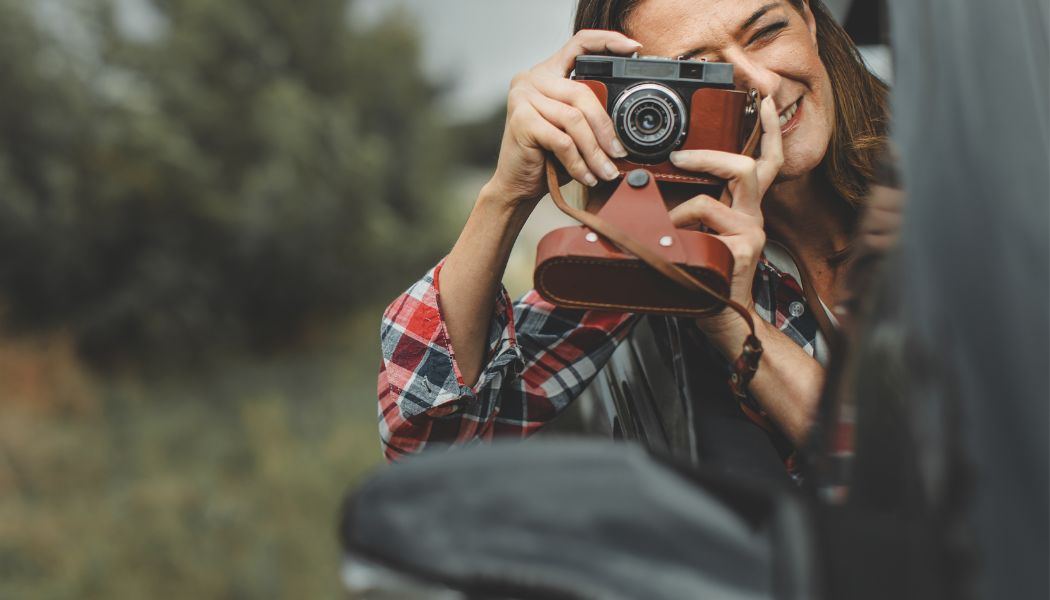
Photography is an art that requires practice, creativity, and knowledge. Whether a beginner or an experienced photographer, mastering a few simple techniques can make a significant difference in capturing stunning images. These 21 camera hacks are designed to help enhance photography skills instantly and bring a fresh perspective to your work.
1. Use the Rule of Thirds
The rule of thirds is one of the most fundamental principles of photography that can completely transform the way images look and feel. This technique involves mentally dividing your image into nine equal sections by using two horizontal and two vertical lines, forming a grid. By placing the subject or key elements of the photo along these lines or at their intersections, the composition becomes naturally balanced and visually appealing.
For instance, if you`re photographing a landscape, you can position the horizon line either in the upper third or lower third of the frame, rather than placing it dead center. Similarly, when capturing a portrait, try placing the subject`s eyes at one of the intersection points of the grid. This not only draws the viewer`s attention but also creates a more dynamic and engaging image.
The rule of thirds guides the viewer`s eyes through the frame, making photos more harmonious and professional-looking. Most cameras and smartphones even have a built-in grid option that can be turned on to help you apply this technique easily. Practicing this rule will soon help it become second nature, and you`ll start noticing how effortlessly your shots convey a sense of balance and creativity.
2. Clean the Camera Lens
One of the most overlooked yet critical steps in achieving sharp and high-quality photos is ensuring that your camera lens is clean. Over time, lenses can become smudged with fingerprints, dust, or dirt, especially if you`re frequently handling your camera or using your smartphone. These smudges and particles, though small and seemingly insignificant, can drastically reduce the sharpness and clarity of your images, resulting in blurred or dull photos.
To keep your lens clean, it is essential to use the proper tools and techniques. Start by investing in a high-quality microfiber cloth specifically designed for cleaning lenses. Avoid using rough materials like tissue paper or your clothing, as these can scratch the surface of the lens. If dust or debris is visible, gently blow it away using an air blower or a can of compressed air before wiping the lens. For more stubborn smudges, consider using a lens cleaning solution or lens wipes. Remember to apply the solution to the cloth, not directly onto the lens, to avoid accidental damage.
Make it a habit to inspect your lens before every photography session. If you`re taking photos outdoors, especially in dusty or humid conditions, consider carrying a portable cleaning kit to quickly address any dirt or grime that accumulates. By maintaining the cleanliness of your lens, you`ll ensure that your photos consistently capture the world in sharp, vivid detail.
3. Adjust White Balance
White balance is a vital but often underestimated setting in photography that can significantly influence the tone and atmosphere of your images. It controls how colors are represented in your photo by adjusting for different lighting conditions, ensuring that whites appear true and all colors remain accurate. A poorly set white balance can lead to unnatural color casts, making your photos look overly warm (yellow/orange tint) or too cool (blue tint), which can diminish their overall appeal.
Most cameras and smartphones offer various white balance presets such as Auto, Daylight, Cloudy, Tungsten, and Fluorescent, each tailored to specific lighting environments. While the Auto setting is convenient and works well in many situations, manually selecting a preset or fine-tuning the white balance can yield more precise and visually appealing results. For instance, when photographing under the warm glow of sunset, you might want to enhance the warm tones by selecting the Daylight or Cloudy preset. Conversely, if you`re shooting indoors under tungsten lights, the Tungsten preset can help neutralize the orange hues.
For photographers who want even greater control, many devices offer the ability to set the white balance manually by adjusting the color temperature in Kelvin. This feature allows fine-grained customization, letting you achieve the exact tone you envision. Alternatively, you can use a gray card in your scene to help your camera determine the correct white balance, particularly in complex lighting situations.
Experimenting with white balance not only ensures more natural-looking images but also enables creative flexibility. You can choose to deviate from the standard settings intentionally to evoke specific moods or artistic effects. Mastering white balance is an essential step in elevating your photography, ensuring that your photos not only look natural but also stand out with their vibrant and true-to-life colors.
4. Shoot in RAW Format
Shooting in RAW format is one of the most effective ways to elevate the quality and flexibility of your photography. Unlike JPEG, which compresses image data to create smaller file sizes, RAW format preserves all the information captured by your camera’s sensor. This means that RAW files retain a much higher level of detail and dynamic range, providing more clarity in both highlights and shadows. This additional data is especially valuable when photographing challenging scenes with extreme lighting conditions, as it allows you to recover details that may appear lost in overexposed or underexposed areas in the initial image.
Another advantage of shooting in RAW is its exceptional flexibility during post-processing. RAW files serve as a digital negative that lets you manipulate key aspects of the image—such as exposure, white balance, contrast, sharpness, and color grading—without degrading quality. With JPEGs, editing can often lead to visible artifacts or loss of detail due to the compressed nature of the file. By choosing RAW, you retain quality throughout the entire editing process, allowing for professional-grade adjustments. While RAW files are larger and may require more storage and processing power, investing in adequate memory cards and storage solutions can offset these drawbacks, ultimately making them worth the creative possibilities they unlock.
Shooting in RAW also enables you to future-proof your photos. As editing tools and techniques continue to evolve, you’ll have the base file with maximum quality preserved and ready for reinterpretation when new software or technologies become available. For beginners and professional photographers alike, utilizing RAW format ensures that your creative vision has the foundation it needs to shine through in your final images.
5. Utilize Natural Light
Mastering the use of natural light can dramatically enhance the quality and atmosphere of your photographs. Unlike artificial lighting, which might impose a specific color temperature or harshness, natural light offers an organic, versatile palette that can be used to communicate mood, texture, and authenticity. Timing plays a crucial role when shooting with natural light, as the quality of light changes significantly throughout the day. Many photographers favor the "golden hour," which occurs shortly after sunrise and just before sunset. During this time, the sun sits lower in the sky, producing soft, diffused light with warm tones. This lighting condition not only flatters subjects by reducing harsh shadows but also creates a serene and inviting mood in landscape and portrait photography.
It`s essential to pay attention to the direction and intensity of natural light. Side lighting, for instance, can add depth and dimension to a scene by casting interesting shadows, while backlighting can imbue your subject with a glowing halo effect when positioned correctly. For outdoor photography, overcast days should not be overlooked. The cloud cover acts as a natural diffuser, softening the light and reducing stark contrasts, making it ideal for even, balanced exposure.
To further maximize the benefits of natural light, consider using reflectors or white surfaces to redirect sunlight onto your subject. This inexpensive accessory helps fill in shadows and ensures your subject is evenly lit, even in conditions where natural light is unevenly distributed. Being mindful of how natural light interacts with your surroundings—such as through windows, foliage, or water—can also lead to creative opportunities for dynamic compositions and unique lighting effects. By developing an eye for natural light and understanding its nuances, you`ll be able to create visually compelling images that feel vibrant and authentic.
6. Experiment with Angles
Changing angles can open up endless possibilities for creating unique and dynamic shots that stand apart from conventional photography techniques. Experimenting with high, low, or side angles can add an element of creativity, depth, and intrigue to your compositions. Shooting from a high angle, for instance, can provide a bird`s-eye view that captures the subject in a way that`s often unseen, offering perspective and context that draws the viewer into the frame. On the other hand, shooting from a low angle can make your subject appear more dramatic or larger-than-life, adding a sense of power and weight that may not be as impactful when photographed head-on.
Side angles, meanwhile, allow you to explore new dimensions by revealing interesting details that might otherwise be overlooked. For example, capturing a subject`s profile instead of their front-facing view can bring out contours and textures, while positioning the camera at an angle relative to the light source can create beautiful shadows and highlights that emphasize form and structure. Changing angles doesn’t just mean moving the camera; it can mean getting physically closer to the ground, climbing to a higher vantage point, or even tilting the lens to experiment with tilted horizon lines for a stylized effect.
Creative angles often require flexibility and patience, as finding the right perspective can take time and determination. Practicing with various angles can also help spark new ideas for storytelling through your photographs. Whether you’re photographing landscapes, portraits, architecture, or action shots, experimenting with angles is a key step in pushing the boundaries of your creativity and developing your unique photographic style.
7. Use a Tripod for Stability
A tripod is an essential piece of equipment, especially when aiming to achieve stability in your shots, and it is particularly useful in a variety of challenging conditions. When shooting in low light, for example, a steady hand often isn’t enough to avoid camera shake, which can result in blurry or unusable photographs. A tripod minimizes this risk, allowing you to set up the camera securely and shoot with confidence. This is especially valuable for long-exposure photography, such as capturing the blur of running water in a stream, the twinkling of stars in the night sky, or the light trails of cars on a busy road at night. With a tripod, you can leave your shutter open longer without sacrificing sharpness or detail.
Tripods also offer versatility by enabling more precise control over composition. Whether you’re adjusting the height, angle, or orientation of your camera, a tripod can give you the freedom to test different configurations without holding the camera manually for extended periods. This is particularly helpful for portrait photography when you need to interact with your subject or for macro photography where even the smallest movement could disrupt your focus. Additionally, tripods are ideal for time-lapse photography, where the camera needs to remain completely still while capturing thousands of frames over an extended duration.
When looking for high-quality tripods and other photography gear, retailers like Adorama offer a wide variety of products to suit photographers of all skill levels. From compact travel tripods to heavy-duty professional stands, you can find the tools needed to elevate your craft. Adorama also provides an extensive selection of cameras, lenses, and other photography accessories designed to enhance your experience and bring your creative vision to life. To make these purchases more affordable, you can often find Adorama Coupon Codes, which help you save money while investing in high-quality equipment. By leveraging discounts, photographers can access premium gear without exceeding their budget, ensuring that they have the right tools to take their photography to the next level.
8. Master Manual Mode
Mastering manual mode is one of the most essential skills for any photographer aiming to elevate their craft. It involves understanding and controlling three key camera settings—aperture, shutter speed, and ISO—which work together to determine the exposure and look of an image.
Aperture refers to the size of the opening in the lens that allows light to pass through to the camera sensor. A wider aperture (represented by a smaller f-number, such as f/1.8) allows more light in and creates a shallow depth of field, resulting in beautifully blurred backgrounds often used in portrait photography. On the other hand, a narrower aperture (e.g., f/16) reduces the light entering the lens and increases the depth of field, making it ideal for landscape photography where sharpness across the entire frame is desired.
Shutter speed determines how long the camera`s sensor is exposed to light. A fast shutter speed, such as 1/1000 of a second, is perfect for freezing motion, making it useful for action shots like sports or wildlife. A slower shutter speed, like 1/30 of a second or longer, can be used for artistic motion blur or capturing light trails in nighttime photography. However, it requires a steady hand or a tripod to avoid camera shake.
Lastly, ISO measures the sensitivity of the camera sensor to light. A lower ISO setting, such as ISO 100, ensures minimal noise and produces sharp, clean images, which is ideal for well-lit environments. Higher ISO settings, such as ISO 3200 or above, are useful in low-light scenarios but may introduce digital noise, which could reduce image quality. Striking the right balance among these elements allows photographers to have full creative control over their shots.
To become proficient in manual mode, it’s essential to experiment with different combinations of these three settings while understanding how they impact the final image. By practicing in various lighting conditions, photographers can build confidence, ultimately empowering themselves to capture scenes exactly as envisioned without relying on automatic settings.
9. Use Leading Lines
Leading lines are a powerful composition technique that can dramatically improve the visual impact of your photographs. These lines guide the viewer`s eye through the image, often directing attention toward the main subject or focal point. By incorporating leading lines effectively, photographers can enhance the narrative element of their work, creating a sense of depth or movement within the frame.
Leading lines can appear naturally in the environment or be strategically incorporated into a scene. Roads, for example, are a common leading line that can draw the eye toward a distant horizon or a particular subject at the end of the path. Similarly, fences can guide the viewer’s gaze along their length, converging on a central point. Rivers or streams are also excellent examples, as their flowing nature naturally leads the eyes toward their direction or source.
Photographers can experiment with different types of lines to achieve varied effects. Horizontal lines might create a sense of calmness or stability, while vertical lines can emphasize height and grandeur. Diagonal or converging lines, on the other hand, add dynamism and intrigue to an image, often pulling the viewer deeper into the scene.
When using leading lines, paying attention to the placement of the subject is crucial. Positioning the subject at the endpoint or intersection of the lines ensures that the viewer`s eyes are naturally drawn to it, emphasizing its importance. Additionally, playing with perspective can strengthen the effect of leading lines—for instance, shooting from a low angle to make the lines appear more prominent.
By actively searching for leading lines in a scene and considering their role within the composition, photographers can craft compelling images that resonate with the audience. This technique not only adds structure and order to a photograph but also creates an immersive visual experience.
10. Apply the Bokeh Effect
The bokeh effect is a visually pleasing technique in photography that helps to isolate the subject by creating a beautifully blurred background. This effect is achieved by using a wide aperture, typically associated with a low f-stop number such as f/1.8, f/2.8, or even lower. The wider the aperture, the shallower the depth of field, resulting in the subject sharply in focus while the background fades into an artistic blur. This technique works exceptionally well for portrait photography, macro shots, or any situation where the goal is to emphasize the subject while minimizing distractions in the background.
When applying the bokeh effect, the choice of lens can play a significant role. Prime lenses, especially those with a large maximum aperture, are often ideal for achieving high-quality bokeh. The distance between the subject and the background also matters. The farther the subject is from the background, the more pronounced the blur will be. Additionally, background elements such as lights, reflections, or colorful objects can enhance the aesthetic appeal of the bokeh, creating dreamy, out-of-focus highlights known as "bokeh balls."
Experimenting with different compositions and light sources can allow photographers to creatively use the bokeh effect. For instance, placing the subject against a background of twinkling lights can transform an ordinary shot into an enchanting photograph. Mastering this technique requires practice and careful attention to settings, but the results can add a professional, polished look to any photo.
11. Try Long Exposure Shots
Long exposure photography is a captivating technique used to capture motion and time in a single frame, creating mesmerizing effects that would otherwise be impossible to observe with the naked eye. By using a slow shutter speed, typically measured in seconds or even minutes, photographers can achieve results such as smooth, silky waterfalls, serene seascapes, or dramatic light trails from moving vehicles. This method highlights motion while keeping stationary objects crisp and clear, resulting in images that are both dynamic and artistic.
To create stunning long exposure shots, a stable setup is essential. Using a tripod prevents camera shake, ensuring the stationary parts of the image remain sharp. A remote shutter release or a camera timer is also recommended to avoid vibration caused by pressing the shutter button. Choosing the right settings is critical—start with a low ISO to minimize noise and adjust the aperture and shutter speed based on the desired effect and the light conditions. Neutral Density (ND) filters are particularly useful for long exposure photography in bright environments, as they reduce the amount of light entering the lens, allowing for longer shutter speeds during the day.
Subject selection is a key factor in long exposure photography. Flowing water, moving clouds, traffic, and even the stars in the night sky are popular choices. For instance, shooting a waterfall with a long exposure transforms the moving water into a velvety, smooth flow, while keeping the surrounding rocks and foliage perfectly detailed. Similarly, capturing a bustling city street with car headlights and taillights creates striking streaks of light that convey the energy and movement of urban life.
Planning and patience are crucial when working with long exposures. It often requires scouting locations, timing the shot to coincide with optimal lighting conditions, and testing various settings to achieve the desired result. While it may take practice to master this technique, long exposure photography opens up a world of creative possibilities, allowing photographers to depict scenes in a unique and compelling way.
12. Use Burst Mode for Action Shots
When capturing fast-moving scenes, burst mode is an invaluable tool for ensuring you get the perfect shot. This feature allows your camera or smartphone to take multiple images in rapid succession by simply holding down the shutter button. It is particularly useful in situations where timing is critical, such as capturing a soccer goal, a bird in mid-flight, or the fleeting expressions of a performer on stage.
One of the biggest advantages of burst mode is that it increases your chances of snapping the best frame out of a dynamic sequence of actions. Often, moments in fast-paced scenes are over in the blink of an eye, making it challenging to rely on a single press of the shutter. With burst mode, the camera continues to take photos as the action unfolds, allowing you to later select the frame that best captures the motion, emotion, or story you want to tell.
To make the most out of burst mode, consider your subject and timing. Anticipate the movement of your subject and press the shutter at just the right moment to document the event as its energy peaks. This might take some practice, especially when working with unpredictable subjects such as animals or sports players. Additionally, ensure your camera or device has sufficient storage space, as burst mode produces a large number of high-resolution images in rapid succession.
Another critical factor to remember is lighting and focus. If your subject is moving rapidly, motion blur can sometimes affect the quality of your shots. To reduce this, use a fast shutter speed and ensure your focus is properly locked on your target before activating burst mode. Many modern cameras and smartphones feature predictive tracking autofocus, which can help maintain focus on moving objects, further enhancing the effectiveness of burst mode.
Lastly, post-processing plays a key role in maximizing the results of shots taken in burst mode. After capturing a sequence, take the time to review each image carefully. Identify the one that best encapsulates the action and enhance it through cropping, color correction, or other minor adjustments to complete the storytelling aspect of your photo. Burst mode is not just a feature—it’s a technique that, when mastered, can make your fast-action photography compelling and truly stand out.
13. Adjust ISO Properly
ISO is a fundamental setting in photography that determines how sensitive your camera’s sensor is to light. Understanding how to properly adjust ISO can significantly impact the clarity and quality of your shots, especially in challenging lighting conditions.
When you find yourself shooting in low-light environments, increasing the ISO might seem like the easiest solution to brighten your photo. A higher ISO amplifies the camera sensor`s sensitivity, allowing it to capture more light without altering the exposure settings such as aperture or shutter speed. This can be especially helpful during nighttime photography, indoor portraits, or capturing details in dimly lit scenes. However, there’s a trade-off—higher ISO levels often introduce digital noise or grain into your images, which can reduce their overall sharpness and make them less appealing.
To ensure clearer images, it’s generally best to keep your ISO as low as possible while achieving proper exposure. Start with the base ISO of your camera, commonly around ISO 100 or 200, and only increase it when necessary. If you require more light in your shot but want to avoid noise, consider adjusting other settings first, such as widening the aperture or using a slower shutter speed if your subject is stationary.
For action shots or handheld photography in low light where you cannot afford a slower shutter speed, gradually increase the ISO to find a balance between brightness and noise. Thankfully, advancements in camera technology, particularly in newer DSLR and mirrorless models, have improved high-ISO performance, reducing noise even at elevated levels. For smartphones, newer devices also often feature algorithms to minimize noise in high ISO settings.
Another effective way to manage ISO and reduce noise is by using external lighting tools like flashes or reflectors, or by stabilizing your camera with a tripod. Both methods allow for brighter images at lower ISO settings. Additionally, shooting in RAW format can give you greater flexibility in post-processing to reduce noise and improve overall image quality without compromising the details.
Ultimately, ISO adjustment is about maintaining control over how you capture light and ensuring your image is both well-lit and visually clear. Mastering this skill is vital for photographers of all levels and helps elevate the professionalism of your work across various shooting scenarios.
14. Utilize Reflectors for Better Lighting
Reflectors are one of the simplest yet most effective tools for enhancing the quality of light in your photography. They work by bouncing light from a source, such as the sun or artificial lights, onto your subject, creating a softer and more even illumination. This process helps to eliminate harsh shadows, reduce contrast, and give your photos a more professional appearance. Reflectors come in various shapes, sizes, and colors, each offering unique advantages depending on your needs.
For beginners, understanding the use of white, silver, and gold reflectors is essential. A white reflector produces soft and neutral light, making it perfect for evenly lighting your subject in natural conditions. Silver reflectors, on the other hand, provide a cooler, more intense light, adding a crisp highlight to your subject. Gold reflectors, which create a warm light, are ideal for outdoor portraits taken during sunrise or sunset, enhancing the overall warmth of the scene.
Placement is key when using reflectors. Positioning the reflector opposite to your main light source, like the sun, allows you to fill in the shadows effectively. If you`re working indoors, reflectors can be used to redistribute light from a window or a softbox. Reflectors are particularly useful for portraits, as they help to brighten the subject`s face and add a subtle, pleasant catchlight to their eyes. They also work well in macro photography, where precise control of shadows is necessary to highlight intricate details.
Another convenient aspect of reflectors is their portability. Most reflectors are lightweight, foldable, and easy to carry, making them suitable for on-the-go photographers. Many reflector kits include multiple color surfaces to adapt to various lighting conditions, ensuring you have the necessary tools for both indoor and outdoor shoots.
Ultimately, incorporating reflectors into your photography routine will significantly elevate your work. Properly used, they enable you to manipulate light creatively, set the mood of your image, and focus attention on your subject, all without requiring expensive equipment.
15. Frame the Subject
Framing is a powerful compositional technique that uses elements within a scene to create a natural "frame" around your subject. By surrounding your main focus with objects like doorways, arches, windows, foliage, or other structures, you add depth, context, and interest to your composition. This technique guides the viewer`s eye directly to the subject, emphasizing its importance while also enhancing the overall visual appeal of your photo.
Natural frames can be found in a variety of locations. For example, a landscape photographer might use overhanging tree branches to frame a distant mountain, while a portrait photographer could position their subject within the frame of a rustic doorway. The key is to look creatively at your surroundings and identify elements that naturally enclose or accentuate your subject without overwhelming the composition.
When framing, remember to pay attention to the balance between the foreground, subject, and background. The frame should complement the subject rather than distract from it. It’s also important to consider the lighting and focus of the frame. Keeping the natural frame slightly out of focus can create a pleasing blurred effect, giving the subject more prominence in the image. On the other hand, ensuring that the frame is well-lit and vibrant can help it harmonize with the overall picture.
Framing doesn’t need to be confined to traditional shapes or objects. Techniques like using shadows, light leaks, or reflections can also act as creative "frames" to direct the viewer’s attention. Experimenting with unconventional frames can lead to dynamic and unique results that stand out.
Framing not only enhances your composition but also adds a narrative quality to your photo. It conveys a sense of place, mood, and perspective that tells a story and keeps viewers engaged. Mastering this technique allows your photography to reignite interest in subjects, no matter how simple, encouraging the viewer to see them in a new light.
For additional savings on various online stores where you can purchase photography tools like reflectors or accessories to create framing opportunities, visit CouponGot to find exclusive discount deals. CouponGot offers promotions across different categories, ensuring that you shop smarter while enhancing your photography experience. From lighting equipment to reflectors and even framing tools, you’ll find a wide range of high-quality products at discounted prices, allowing you to upgrade your equipment without stretching your budget!
16. Experiment with Shadows
Shadows are an incredible tool in photography that can transform a simple image into a work of art full of depth, intrigue, and drama. When you experiment with shadows, you explore the play between light and dark—a technique that creates emphasis, texture, and a sense of mystery. Shadows can bring out unique patterns and enhance compositions that might otherwise feel flat.
To begin experimenting with shadows, consider the source and direction of your light. The angle of lighting dramatically impacts the length, intensity, and sharpness of the shadows in your scene. A low-angle light source, such as during sunrise or sunset, casts long and dramatic shadows that can add dimension to successful photograph and emphasize textures. On the other hand, a high-angle light, such as in midday sun, creates shorter, harsher shadows, ideal for adding contrast and defining shapes.
Indoor photography offers even more opportunities for shadow experimentation. Use artificial lighting, such as lamps, torches, or studio lights, to create your own shadow patterns. Place objects in front of the light source and observe how their shadows are cast against walls or surfaces. Silhouettes, partial shadows, or even creatively layered shadow layers can be used to guide the viewer`s eye or add a sense of artistry to your image.
Don`t hesitate to play with abstract concepts. Everyday objects, such as window blinds, plants, or textured fabrics, can cast intricate and interesting shadow patterns. Hold objects close to or farther from your light source to see how it changes the intensity and scale of the shadows in your shot. To further enhance your photo, try framing your subject within the shadow of another object for a striking contrast.
Lastly, shadow experimentation doesn`t stop when the photo is taken. During the editing process, you can fine-tune your shadows by adjusting brightness, contrast, and exposure. Increasing contrast can make shadows more defined, while dimming highlights ensures that they remain dark and impactful. By harnessing the power of shadows creatively, you can push the boundaries of conventional composition, producing images that captivate and evoke emotion.
17. Edit Photos for a Professional Touch
Post-processing is the final and crucial step in creating photographs that appear polished and professional. While taking a great picture is important, editing allows you to refine your shots, correct imperfections, and enhance their overall aesthetic appeal. Editing is not about altering reality but rather perfecting your composition, colors, and lighting to match your creative vision.
One of the most popular tools for editing is Lightroom, which excels in managing exposure, color correction, and sharpening. Start by adjusting basic settings like brightness, contrast, and saturation to breathe new life into your photos. For example, tweaking exposure levels can bring out hidden details in the darkest shadows or brightest highlights, revealing textures and depth you`d otherwise miss. Similarly, reinforcing colors by increasing vibrance and saturation can produce rich, lively images while maintaining natural tones.
Photoshop offers more advanced photo manipulation techniques for photographers who need extensive control over their work. You can eliminate distracting elements like power lines or blemishes using the clone or heal tool. The selective use of filters or layering can create stunning effects, such as emphasizing specific parts of the image or adding color gradients that align with your artistic intent. Whether it`s fine-tuning skin tones in portraits or enhancing the blue of a dramatic sky, Photoshop gives professionals the precision to elevate their work.
Don`t overlook cropping and recomposing your image during post-processing. Cropping can guide the viewer`s focus towards the main subject, eliminate unnecessary distractions, or give your photo a more balanced feel. Ensure your final composition adheres to the rule of thirds or another aesthetic principle that serves your image`s story.
Another critical aspect of post-processing is sharpening. Light adjustments here can make image details pop, making subjects stand out against their background. Similarly, noise reduction is essential for cleaning up graininess, especially in photographs taken under low light conditions. Both Lightroom and Photoshop excel in providing tools specifically tailored to deal with these aspects seamlessly.
Finally, consider experimenting with creative photo editing techniques. This includes converting images to black and white for timeless elegance or adding subtle vignettes to direct attention toward your subject. Presets and filters allow for quicker edits and are excellent starting points when exploring different styles. However, always aim for a balance; over-editing can lead to artificial or forced-looking photos.
By dedicating time to post-process each image, you`ll ensure your photographs not only meet professional standards but also tell compelling stories that resonate with viewers. Whether you`re preparing images for publication, social media, or personal projects, effective editing reinforces your unique artistic style and professionalism.
18. Understand the Histogram
A histogram is an essential tool for photographers that serves as a graphical representation of the tonal values within an image. It provides a detailed breakdown of the brightness levels, ranging from the darkest shadows on the left side to the brightest highlights on the right side of the chart, with midtones occupying the central area. Understanding a histogram is vital for achieving well-exposed photographs because it allows you to analyze the balance between light and dark areas in your image.
When looking at a histogram, a well-balanced graph typically has a broad spread of tones without being heavily weighted toward one side, which could indicate underexposure (shadows) or overexposure (highlights). For example, if the histogram has data heavily clumped on the far left, your image may lack detail in shadow areas. Conversely, if the data is shifted to the far right, your image might have overexposed highlights that lack texture or detail.
Histograms are especially helpful during both the shooting and editing processes. Many modern cameras display a live histogram on-screen, enabling you to adjust exposure in real time. During post-production, software like Adobe Photoshop or Lightroom uses histograms as a guide to manipulate brightness and contrast. Photographers can use this tool to fine-tune black points, white points, and midtone brightness, ensuring that the image retains its dynamic range. By mastering the histogram, photographers can achieve greater tonal precision in their work and ensure their images have the correct balance of light and detail.
19. Use a Polarizing Filter
A polarizing filter is an indispensable accessory for photographers who want to enhance their shots directly in-camera. Its primary function is to reduce glare and reflections caused by non-metallic surfaces such as water, glass, or shiny foliage, which can often detract from the overall quality of a photo. By minimizing these reflections, a polarizing filter allows more natural details to come through in your images, lending a cleaner and more professional appearance.
One of the most notable benefits of using a polarizing filter is the saturation boost it provides. This tool can make blue skies appear deeper and more vibrant by reducing atmospheric haze and scattered light. It also enhances color intensity in landscapes, emphasizing greens, blues, and other naturally occurring tones. Photographers shooting landscapes, seascapes, or outdoor scenes under direct sunlight often rely on polarizing filters for this reason.
Using a polarizing filter can also make water appear more transparent by cutting through surface reflections, revealing the textures and details under the waterline, and ensuring that elements like rocks or vegetation beneath the surface are visible. The same principle applies to glass—photographers can avoid disruptive reflections when shooting through windows or other transparent barriers.
Proper usage of a polarizing filter requires an understanding of light angles. Polarizers achieve their maximum effect when used at a 90-degree angle to the light source, such as the sun. To use the filter, simply attach it to your lens, then rotate the filter ring to adjust the strength of the polarization effect. Experimentation is key to finding the effect that works best for your image. Additionally, polarizing filters can slightly reduce the amount of light entering the lens, so adjustments to exposure settings, like ISO, shutter speed, or aperture, may be necessary.
By incorporating a polarizing filter into your workflow, you can enrich the visual impact of your photographs and tackle challenging lighting scenarios with greater ease.
20. Keep a Steady Hand
Keeping the camera steady is one of the most fundamental yet often overlooked aspects of photography. A steady hand ensures sharp and clear images by reducing motion blur, which can otherwise ruin an otherwise perfect shot. To achieve this, hold the camera firmly with both hands, ensuring that your grip is stable. Use one hand to hold the camera body and the other to support the lens for added balance.
Additionally, your posture plays a crucial role in stabilizing your shots. Stand with your feet shoulder-width apart for a solid base, and tuck your elbows close to your body. If you struggle to maintain steadiness, consider leaning against a stable surface, such as a wall or a tree, to anchor yourself. Alternatively, you can use tools like tripods or monopods for added stability, especially when shooting in low light or using slow shutter speeds. Remember, the key to a sharp image is minimizing movement during the shot, so focus on maintaining control over your camera.
21. Learn from Other Photographers
Photography is both an art and a skill that grows through continuous learning, and one of the best ways to develop is by observing and learning from experienced photographers. Seasoned professionals often have a wealth of knowledge to share, from technical tips to creative approaches, and studying their work can provide fresh perspectives and ideas. Attend photography workshops or seminars where you can interact with experts and gain firsthand insights into their processes. Online platforms, such as social media or photography forums, are also excellent for discovering diverse styles and techniques.
Additionally, following renowned photographers whose work inspires you can deepen your understanding of composition, lighting, and post-processing. Analyzing their photographs can teach you how they frame their shots, use colors, and create impactful stories through their images. By staying curious, asking questions, and experimenting with what you’ve learned, you can hone your skills and develop your unique style in photography. Remember, every great photographer started as a beginner, so take inspiration and continually strive to improve.
Conclusion
By applying these 21 camera hacks, photographers at any level can instantly enhance their abilities and produce stunning, professional-quality images. These techniques, ranging from mastering basic settings to refining advanced skills, are designed to elevate your photography experience. Whether learning how to compose compelling shots, stabilizing your camera for clarity, or drawing inspiration from seasoned professionals, each hack provides actionable steps to grow as a photographer. With dedication and practice, you’ll not only capture incredible images but also develop a deeper passion and appreciation for the art of photography.