20 Budget-Friendly Clothing Hacks for Men, Women, and Kids
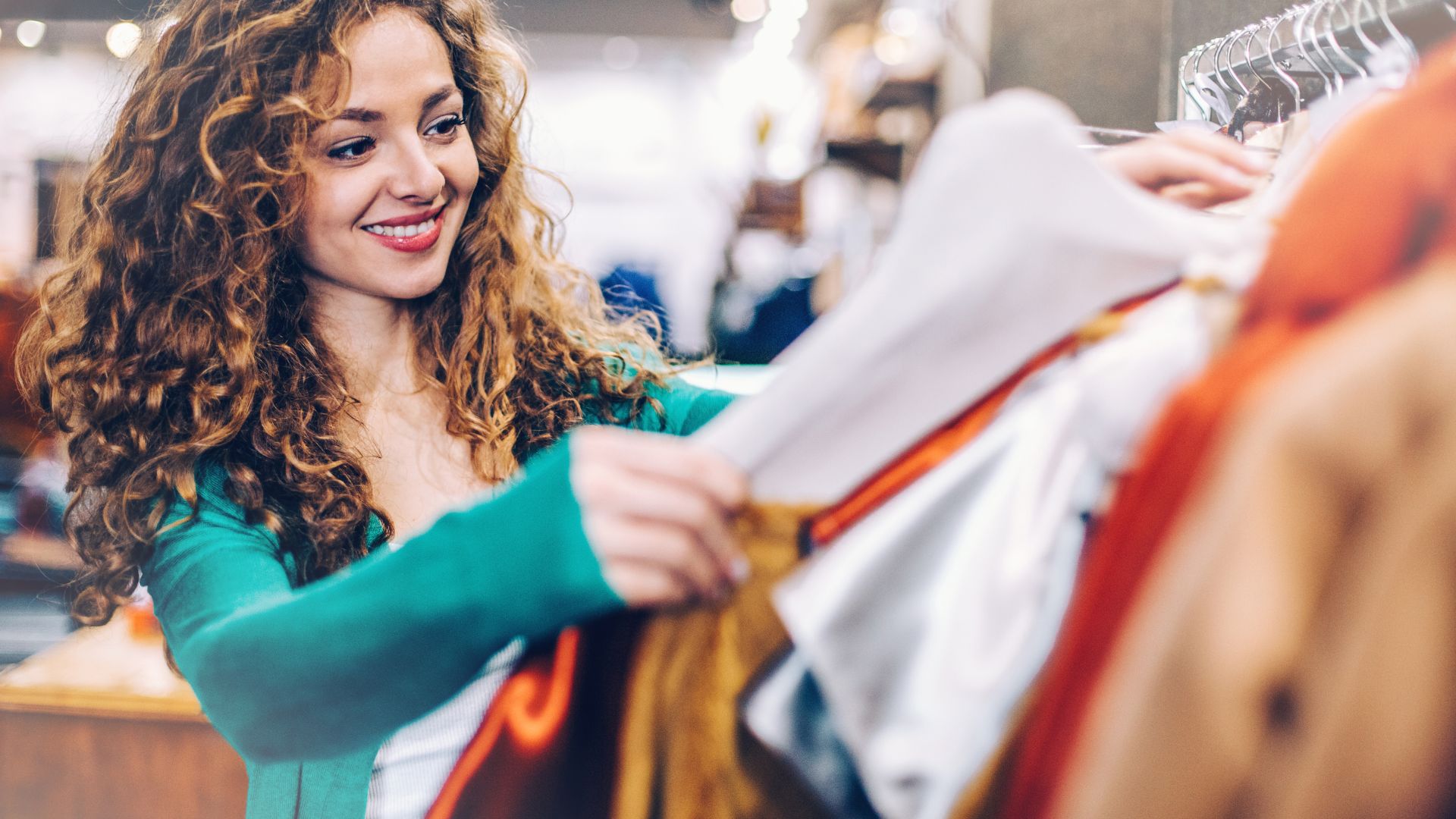
Looking great does not have to cost a fortune. With a few smart strategies, anyone can build a stylish and functional wardrobe for every member of the family while staying on budget. These practical tips are designed to help men, women, and kids wear their best without the financial stress.
1. Master the Art of Thrifting
Thrift stores have long been hidden gems for finding unique and budget-friendly clothing. These shops are a haven for those who enjoy hunting for stylish pieces without worrying about hefty price tags. To make the most of your thrifting experience, start by setting aside ample time to browse through racks and shelves. Quality finds often require patience and a keen eye. Focus on sturdy materials and classic designs that stand the test of time. It’s essential to inspect all items closely—check for stains, tears, missing buttons, or broken zippers to ensure what you`re purchasing is worth the investment. Some thrift stores categorize their clothing by size and color, making it easier to streamline your search.
For those with a flair for fashion, thrifting is also an incredible way to discover designer pieces at a fraction of their original price. Many high-end items, such as jackets, dresses, or accessories, often end up in thrift stores and can elevate your wardrobe for a fraction of the cost. Beyond saving money, thrifting is a sustainable choice, helping to reduce waste and promote a circular fashion economy. To enhance the experience, explore multiple thrift stores in your area or take trips to notable second-hand clothing destinations. Thrifting is not just shopping; it`s an adventure where timeless treasures can become part of your wardrobe story.
2. Organize Clothing Swap Parties
A clothing swap party is a fantastic way to breathe new life into your wardrobe—for free! The idea is simple but effective. Invite friends, family, neighbors, or even coworkers to join in. Each participant brings gently used clothing, shoes, or accessories they no longer wear but are still in good condition. These unused items become a shared pool where everyone has the opportunity to find "new-to-them" pieces. It`s an eco-friendly and cost-free method of refreshing your wardrobe while fostering community connections.
To organize a successful clothing swap, start by determining a venue—your living room, backyard, or even a community center can work perfectly. Set a few ground rules, such as limiting items to clean, wearable clothes, ensuring everyone brings at least a few pieces, and clarifying whether children`s clothing, shoes, and other accessories are included. Create a festive atmosphere by adding music, snacks, and refreshments to make the swapping period enjoyable. Designate a temporary "fitting room" so attendees can try out items before deciding to take them home.
Clothing swap parties not only help you refresh your style but also promote sustainable fashion habits. Instead of discarding unwanted clothes, participants repurpose them, reducing the amount of waste that ends up in landfills. Additionally, swapping clothes allows people to experiment with styles and colors they might not typically choose, giving them the confidence to step out of their comfort zones. Over time, these events can evolve into recurring traditions that bring people together while making fashion accessible, sustainable, and fun.
3. Learn Basic Sewing Skills
Mastering basic sewing techniques can have profound long-term benefits on your wardrobe. With just a needle and thread, you can repair small issues in your garments rather than discarding them. For instance, sewing a button back onto a shirt or jacket is a simple skill that can revive a piece of clothing in moments. Similarly, fixing a loose hem on a pair of trousers or a skirt can restore them to their original polished look.
Patching a small hole in your favorite jeans or sweater prevents the issue from worsening and extends the life of the item. Additionally, knowing how to make adjustments or small alterations—such as taking in a seam for a better fit—can transform slightly ill-fitting clothes into custom-fitted pieces.
These skills not only save money but also reduce textile waste, making sewing a valuable tool for those aiming to live a more sustainable lifestyle. While getting started with sewing might seem daunting, resources are readily available from online tutorials to local workshops, making this skill accessible to everyone.
4. Shop Off-Season
Being strategic about when you shop for clothing can save you significant money and help you build a well-rounded wardrobe. Off-season shopping, in particular, allows you to take advantage of deep discounts offered by retailers clearing out inventory. For instance, purchasing winter coats and boots during the warmer months—like late spring or summer—means you can get high-quality, durable items at a fraction of their usual cost. Similarly, buying swimsuits, shorts, and summer dresses when the colder months approach leads to tremendous savings.
By planning ahead for upcoming seasons, you can avoid paying full price during peak demand periods. Additionally, shopping off-season provides a less stressful experience, as stores are often less crowded and stock is easier to browse. You’ll also have time to thoughtfully assess your wardrobe needs, ensuring that you make practical and purposeful purchases rather than impulsive ones. This approach not only saves money but also helps eliminate the temptation to consume excessively during sales-driven seasons.
5. Focus on Versatile Basics
A wardrobe built on versatile basics offers endless opportunities for creating different outfits while minimizing the number of garments you own. Investing in high-quality, neutral-colored pieces ensures they remain timeless and adaptable across multiple occasions. For example, a solid-colored t-shirt can be layered under a blazer for a professional look or paired with jeans for casual outings. Similarly, a pair of well-fitted, durable jeans can work with various tops, from sweaters in winter to flowy blouses in summer.
A classic black dress is another staple that can be dressed up with heels and statement jewelry for formal events or dressed down with a denim jacket and flats for a daytime ensemble. By focusing on neutral colors like black, white, gray, beige, and navy, you ensure compatibility across all your wardrobe pieces, allowing for seamless mixing and matching.
These pieces serve as the foundation of your style, empowering you to experiment with accessories, outerwear, and statement pieces to curate looks that feel fresh without overwhelming your closet. Making these thoughtful investments in your wardrobe reduces the need for excess purchases and fosters a more sustainable and simplified approach to fashion.
6. Use Cashback and Reward Apps
Using cashback and reward apps is one of the simplest yet most effective strategies to save money while shopping. Many retailers offer loyalty programs and apps specifically tailored to reward frequent customers. These apps typically allow shoppers to earn points on their purchases, which can later be redeemed for discounts, store credit, or even free items. For instance, major retailers often provide apps that track purchases and reward customers with a percentage of their spending as cashback. This cashback can accumulate over time and result in substantial savings, whether applied to future purchases or transferred to your bank account.
Additionally, many credit cards also offer cashback benefits that can be combined with these store-specific rewards, maximizing your savings further. Shoppers can also take advantage of third-party apps like Rakuten, Honey, or Ibotta, which aggregate cashback offers from multiple retailers, thus expanding your opportunities to save even more every time you shop. It’s essential to routinely check these apps for exclusive deals, seasonal promotions, and bonus rewards campaigns, as they often have limited-time offers tailored to specific shopping habits or holidays. By using these tools consistently, you can make the most of your shopping experience and save more money than you might initially expect.
7. Take Proper Care of Clothes
One of the most overlooked aspects of maintaining a sustainable wardrobe is proper clothing care. Adhering to care labels on your garments can significantly extend their lifespan, preserving both their appearance and quality. For starters, washing clothes in cold water not only helps prevent color fading and shrinking but also reduces energy consumption, which is better for the environment and your bills. Many fabrics, such as wool, silk, or delicate blends, require specific washing conditions—either gentle cycles or hand washing—to avoid unnecessary wear or damage.
Air-drying your clothes is another method that can dramatically improve their longevity, as it minimizes the risk of shrinking, fabric weakening, or elastic degradation that often occurs in high-heat dryers. When air-drying, be mindful of the fabric; heavier items like sweaters may need to dry flat to prevent stretching from hanging. Proper storage also plays a key role—hanging wrinkle-prone items on sturdy, shaped hangers and folding heavier knits can prevent distortion or creases.
Additionally, investing in garment bags for delicate fabrics and using cedar blocks or moth deterrents can protect your wardrobe from pests and moisture. Regularly cleaning your closet and keeping your items organized can help you track what you wear, thus allowing you to rotate through your pieces evenly. Ultimately, by practicing mindful clothing care, you not only keep your pieces looking fresh and stylish but also take a step toward a more sustainable and cost-effective approach to fashion.
8. Find Deals on Trendy Pieces
For those looking to keep up with the latest trends, finding deals on fashionable items without breaking the bank is key. Stores like Tillys, known for their trendy streetwear and casual clothing lines from brands such as Vans, Billabong, and Adidas, are an excellent destination for shoppers with an eye for style. Despite offering popular and on-trend items, these brands don`t always have to come with a hefty price tag.
Savvy shoppers can take advantage of tools like Tillys Coupon Codes to unlock significant discounts at checkout. These promotional codes are often found online, either on the retailer’s website, through their email newsletter, or on dedicated coupon and deal websites like RetailMeNot or Coupon Cabin. Additionally, Tillys regularly hosts sales events tied to seasons, holidays, and clearance inventories, where prices are slashed on both classic and trendy selections. Signing up for their loyalty program or email alerts can provide insider access to exclusive offers, new arrivals, and additional savings opportunities.
Pairing Tillys Coupon Codes with cashback apps or credit card rewards can further minimize overall costs while shopping for the latest styles. When shopping for trendy items, it’s also worth considering price comparisons across multiple stores, as some retailers may match or even beat competitor pricing. By adopting these tactics, shoppers can stay stylish and current without stretching their budget, making it easier than ever to achieve that on-trend look for less.
9. Embrace Hand-Me-Downs for Kids
Children grow so quickly that the clothes you bought at the start of a season may not even fit by the time it ends. This rapid growth can make clothing expenses one of the biggest recurring challenges for parents. Hand-me-downs present a fantastic solution to this problem and can serve as a huge money-saver while reducing waste. Accepting clothes from older siblings, cousins, friends, or even neighbors who have children who’ve outgrown their wardrobe is both practical and resourceful.
Often, these hand-me-downs are still in excellent condition since children outgrow clothes faster than they can wear them out. Parents can form their own "clothing exchange networks" with other families in their community, creating a cycle where everyone contributes and benefits. Sorting through and organizing these items can even become a fun family activity, teaching kids the value of sharing and sustainability. Additionally, hand-me-downs aren’t just limited to everyday outfits—they can extend to school uniforms, special occasion wear, or even outerwear, which are often expensive items to replace.
Another advantage of using hand-me-downs is the opportunity to customize or personalize them. Adding small embellishments, patches, embroidery, or alterations can make these clothes feel fresh and unique to the new owner. This proves that hand-me-downs don’t just save money; with a little creativity, they can allow for self-expression as well. By welcoming this practice, parents can ease the financial burden of regular wardrobe updates while fostering an appreciation for reusing and recycling among their children.
10. Repurpose Old Clothes
When clothes are no longer worn or don`t fit properly, instead of discarding them, think about how they might be repurposed into something new and useful. For example, an oversized t-shirt that`s seen better days can easily be transformed into a stylish crop top or tank top with just a few snips and maybe some stitching for extra polish. Similarly, jeans that have become too short can be cut and turned into trendy shorts. Adding some distressing details, like frayed edges or ripped patterns, can make the new shorts look fashionable and intentional. Repurposing old clothes is a creative way not only to save money but also to reduce waste and minimize the environmental impact of fast fashion.
Beyond individual pieces, think about how old clothes can be reimagined completely. For example, patchwork items made from scraps of fabric—like quilts, tote bags, or throw pillow covers—can become beautiful and functional household items. Sweaters can be turned into cozy mittens, scarves, or leg warmers, especially suited for colder months. Even fabric too old or worn-out to wear can be turned into cleaning rags or stuffing material for craft projects. Taking the time to repurpose clothing items not only helps keep them out of landfills but also allows you to contribute to a more sustainable lifestyle. It provides a sense of accomplishment, knowing that an old piece of clothing has been given a new purpose instead of going to waste.
11. Always Check the Sale Section First
For savvy shoppers, the sale section should always be the first stop—whether shopping online or in a brick-and-mortar store. This section often contains hidden gems at reduced prices, including clothing from previous seasons that still boast style and durability. Browsing the sale or clearance section before looking at full-priced items can significantly lower the overall cost of your shopping trips. Many retailers use these sections to clear out inventory and make room for new arrivals, so it’s not uncommon to find high-quality items at a fraction of their original cost.
When shopping online, take advantage of filters to organize sale items by size, color, or style to save time and avoid unnecessary browsing. Signing up for retailer newsletters or reward programs is another great way to get notified about upcoming sales or additional discounts, including exclusive clearance events. For in-person shopping, patience can pay off. Spend a little extra time scanning racks in the sale corner, as hidden deals are often tucked away where they aren`t immediately noticeable. Also, keep in mind that seasonal sales—like end-of-summer or post-holiday sales—are prime opportunities to score heavily discounted items.
By adopting the habit of exploring sale sections first, you not only save money but also avoid the temptation of being drawn into higher-priced items available elsewhere in the store. Remember, every dollar saved on discounted purchases can either be put back into your savings or used to purchase additional items, doubling the value of your shopping experience.
12. Sign Up for Newsletters
One of the easiest ways to start saving money while shopping is by signing up for newsletters from your favorite brands and retailers. Many companies incentivize new email subscribers with exclusive discounts, often providing a significant percentage off or a fixed dollar amount on your first purchase. For example, a common offer might include 10-20% off your initial order or a $10 discount if you meet a minimum purchase requirement.
Beyond the initial savings, subscribing to newsletters keeps you informed about upcoming sales, new arrivals, and occasional subscriber-only deals. These emails often include exclusive coupon codes, early access to clearance events, or even birthday and holiday discounts that can bolster your savings throughout the year.
To avoid overwhelming your inbox, you can create a separate email account dedicated solely to receiving promotional content. This way, you remain in the loop about valuable deals without cluttering your main inbox. By staying mindful of what you actually need, you can use these offers strategically rather than impulsively, maximizing value while minimizing unnecessary expenses.
13. Invest in Quality Shoes
Footwear is one of the most important parts of your wardrobe, both in terms of comfort and durability. Rather than opting for multiple inexpensive pairs of shoes that often wear out within just a few months, consider investing in high-quality shoes that are built to last. While they may come with a higher up-front cost, well-crafted shoes are made from superior materials and are designed to withstand regular wear and tear, ultimately saving you money in the long run.
High-quality leather boots, for instance, are not only stylish but can be resoled and polished repeatedly, extending their lifespan for years or even decades. This approach also benefits your feet, as better-made shoes tend to provide more ergonomic support, reducing issues like blisters and discomfort that often accompany cheaper footwear. When investing in shoes, look for designs that offer both versatility and classic style so they can be paired with a range of outfits without going out of trend.
Additionally, taking proper care of them—such as cleaning, conditioning leather, and using shoe trees—can further protect your investment. Quality shoes are a classic example of the "buy less, buy better" philosophy, and they often prove cost-effective and more sustainable than frequently replacing poorly made alternatives.
14. Accessorize to Refresh Outfits
Revitalizing your wardrobe doesn’t always require splurging on new clothes. Accessories are an extremely effective and budget-friendly way to refresh your look while extending the utility of your existing wardrobe. Belts, scarves, hats, and statement jewelry can completely transform even the simplest outfits, adding a touch of personality or elegance that feels brand new. For instance, a brightly colored scarf can liven up a neutral sweater, a bold statement necklace can elevate a plain dress, or a patterned belt can reinvigorate the silhouette of a pair of jeans and a tucked-in blouse.
Accessories also allow you to express your style more flexibly and adapt to changing trends without spending a fortune on new apparel. Thrift stores and online marketplaces are fantastic resources for finding unique and affordably priced items that can add flair to your wardrobe. It’s also worthwhile to invest in a handful of timeless, high-quality pieces, such as a classic leather belt or a neutral-toned scarf, that will remain stylish for years to come. With careful selection and creativity, accessories can make your wardrobe feel fresh time and time again, all without the need to purchase entirely new outfits.
15. Rent for Special Occasions
Attending special events such as weddings, galas, or formal parties often requires attire that may not become part of your everyday wardrobe. Instead of buying a formal outfit that could sit in your closet, rarely worn, renting is a practical and cost-effective solution. Many rental services offer a wide range of clothing options, from elegant evening gowns and tuxedos to chic cocktail dresses and suits. These services allow you to access high-end, designer pieces that might otherwise come with a hefty price tag, enabling you to make a stylish impression without the financial commitment of a purchase. Additionally, renting eliminates buyer’s remorse often associated with spending a significant amount on an outfit only used once or twice.
The process of renting is typically quite straightforward. Online platforms and specialty stores provide convenient browsing options, allowing you to search for the perfect style, size, and fit for your event. Many services also include delivery and return shipping, making it even easier to access the outfits you need. Some rental platforms even include damage insurance and cleaning fees in the rental cost, eliminating further concerns about wear or accidental spills. Countless celebrities use similar platforms to display new looks at red carpet events, proving that rented clothing can be equally as fashionable as owning a designer wardrobe. By choosing to rent, you save space in your closet, reduce unnecessary spending, and help minimize fashion waste, which is better for the environment.
16. DIY Customizations
Breathing new life into old pieces through DIY customizations is a fun, creative, and sustainable way to enhance your wardrobe. Items that may appear plain or dated can be transformed into statement pieces by adding unique embellishments or personalized touches. For example, a basic denim jacket can become a stylish standout with the addition of vibrant fabric patches, iron-on graphics, or a touch of embroidery. Torn or worn sections of clothing, such as distressed jeans, can also be skillfully improved with colorful stitching, chic stitched patterns, or artistic fabric appliqués.
For those who enjoy experimenting with colors and designs, fabric paint offers endless possibilities. You can create abstract works of art on a plain canvas tote bag or write your favorite quotes onto a simple t-shirt. Additionally, adding decorative pins, lace trim, studs, or even pearls can drastically elevate the aesthetic of old tops, skirts, or jackets. Many online tutorials and DIY resources are available to help beginners learn crafting techniques like embroidery, sewing, or beadwork. Beyond giving your clothing a second life, the process of DIY customization is an enjoyable hobby that allows you to express your individuality. Every customized piece is a reflection of your personality and creativity, ensuring that your style remains one-of-a-kind.
17. Know When to Splurge and Save
Building a thoughtful wardrobe also requires knowing when to allocate your budget strategically between splurging and saving. Timeless, high-quality pieces that withstand wear and tear over the years are worth the investment. This includes items like a well-constructed winter coat with durable fabric and versatile styling, a classic leather handbag that pairs effortlessly with almost any outfit, and a quality pair of black dress shoes or boots crafted for comfort and durability. These staple pieces will likely see frequent use and never go out of style, making them a smart splurge. Premium fabrics and craftsmanship not only ensure these items last longer, but also make them look and feel better with wear.
On the other hand, trendy or seasonal pieces that may fall out of favor after a year or two call for a more economical approach. For instance, fashion trends like bright neon clothing, heavily patterned tops, or oversized accessories often have a limited shelf life. Instead of spending a large amount on trendy items, look for budget-friendly alternatives at thrift stores, fast-fashion outlets, or clearance sales. Similarly, lightweight summer apparel, like sandals or graphic t-shirts, is often inexpensive and doesn’t require the same level of durability or longevity as winter attire. By thoughtfully determining when to splurge and when to save, you can optimize your clothing budget without compromising your unique sense of style. Balancing practicality with trendy indulgences ensures your wardrobe remains adaptable, affordable, and reflective of your fashion preferences.
18. Use a Price Tracking Tool
One of the most effective strategies for saving money while shopping online is to utilize price tracking tools. These handy tools, often available as browser extensions or standalone platforms, are designed to monitor the price history of products across various online retailers. A price tracking tool works by analyzing historical pricing data for a specific item, providing a detailed record of fluctuations over time. This allows shoppers to determine whether they are scoring a genuine deal or if the item`s current price is likely to drop in the future.
For example, some popular price tracking extensions like Honey, CamelCamelCamel, or Keepa focus on major online marketplaces such as Amazon, delivering real-time updates on price changes while also showcasing price trends from preceding months or even years. With this information at your fingertips, you can make well-informed purchases and avoid the trap of impulsive buys during supposed "limited-time sales" or "flash deals" that might not be as beneficial as they seem.
Additionally, many of these tools come with customizable alert features. You can set a target price for specific items, and once the price drops to your desired threshold, you receive a notification. This means you won`t have to constantly revisit product pages or manually keep an eye on prices. Utilizing price tracking tools offers a strategic and stress-free method to ensure you are maximizing savings and timing your purchases wisely.
19. Repair Instead of Replacing
A minor tear, a missing button, or a broken zipper should not automatically spell the end of your favorite clothing item or accessory. Instead of hastily discarding items that have minor damage or wear, consider repairing them to extend their lifespan. Repairing clothes not only saves money but also promotes sustainability by reducing textile waste and consumption.
Basic repairs like sewing a button back onto a shirt or patching a small hole can often be done at home with minimal effort, provided you have the right tools or a basic sewing kit. For more advanced repairs—such as fixing a broken zipper, re-heeling a worn-out shoe, or mending extensive tears—local tailors or cobblers are invaluable resources. These professionals specialize in restoring damaged items to perfect condition, often at a fraction of the cost of replacing the item entirely. For example, rather than throwing away a sweater with a moth hole, a skilled tailor can invisibly mend the fabric to make it look as good as new. Similarly, a cobbler can replace worn soles on your favorite pair of boots, giving them a second life.
Repairing items doesn’t have to stop at clothing—it can extend to bags, belts, and other accessories. Not only is this approach economical, but it also gives sentimental or high-quality pieces the opportunity to remain a part of your wardrobe for many more years. By adopting the habit of repairing rather than replacing, you contribute to a more sustainable and cost-conscious lifestyle while preserving the charm and function of beloved pieces.
20. Use a Reliable Coupon Website
Before making any online purchase, it’s always a smart move to check for active discounts or promotional codes. With the vast number of coupon websites available, saving money on your favorite products or services has never been easier. Reliable platforms like CouponGot, RetailMeNot, or Coupons.com provide a comprehensive database of valid promo codes across hundreds of retailers, catering to everything from apparel and electronics to groceries and travel bookings.
Using these websites is typically straightforward. You search for your desired retailer or product, and the site displays all available discounts and codes that can be applied to your purchase. Some platforms even offer browser extensions that automatically search for and apply the best coupon codes at checkout, such as Honey or Capital One Shopping. This effortless process ensures that you’re getting the best deal possible without needing to scour the internet for savings manually.
For instance, platforms like CouponGot not only provide discounts but also update their databases frequently to ensure the promo codes remain valid and functional. This reliability saves you the frustration of trying to use outdated or expired codes. Additionally, many coupon websites include cashback options, which allow you to earn a percentage of your spending back as a reward, further enhancing your savings.
By integrating the habit of checking coupon websites into your shopping routine, you can reduce costs on a wide range of purchases. It’s a simple yet effective method to ensure you never pay full price unnecessarily, empowering you to shop smarter and stretch your budget further.
Conclusion
Building a stylish and functional wardrobe for the entire family does not require an endless budget. By adopting a mindful and strategic approach to clothing, significant savings can be achieved. The key is to shift focus from constant buying to smart sourcing, proper care, and creative reuse. From mastering thrift stores and clothing swaps to learning simple repairs and using discounts wisely, these hacks empower anyone to look their best while respecting their financial limits. Ultimately, a great wardrobe is built on versatility, durability, and smart shopping habits, not on the price tags.
Frequently Asked Questions
What is the best way to find coupons for clothing?
Signing up for brand newsletters is a highly effective method to receive exclusive discounts, promotional offers, and early access to sales directly from your favorite clothing brands. Additionally, using reputable coupon websites like RetailMeNot, Honey, or Coupons.com before shopping online can uncover added savings. Many online retailers also provide promotional codes during seasonal sales or holidays, so keeping an eye on these events can be advantageous.
How can I make my kids` clothes last longer?
Ensuring kids` clothing lasts requires a combination of thoughtful purchasing and maintenance strategies. Start by buying clothes with a little room to grow, allowing for extended use as children grow quickly. Reinforcing high-wear areas, such as knees on pants, with patches or extra stitching can prevent tearing. Choosing fabrics like denim, reinforced cotton, or other durable, high-quality materials ensures greater longevity. Finally, washing clothes in a gentle cycle and avoiding excessive drying can help maintain their integrity over time.
Is thrifting sanitary?
Yes, thrifting can be sanitary as long as the proper cleaning measures are taken. It is recommended to wash all thrifted items in hot water or have them dry-cleaned before wearing to remove any potential allergens, bacteria, or odors. For more delicate fabrics or shoes, consider using specialized cleaning sprays or kits. These practices ensure your thrifted finds are fresh, clean, and ready to wear.
What are the most versatile clothing colors to buy?
Neutral colors such as black, white, navy, gray, and beige are considered the most versatile when creating a functional wardrobe. These shades can be easily mixed and matched to create a variety of outfits, making them ideal for both casual and formal settings. Neutral tones also serve as a great base, allowing you to add pops of color through accessories, shoes, or statement pieces without overwhelming your look.
How often should you shop for new clothes?
There is no universal rule for how often you should shop for new clothes. Ideally, shopping should be based on necessity rather than impulse. Evaluate what you already own and determine any gaps in your wardrobe before making purchases. A carefully planned wardrobe comprised of versatile and durable pieces can significantly reduce the need for frequent shopping trips. This not only saves money but also contributes to a more sustainable approach to fashion.